The Water-Saving Shower Head That Pays for Itself
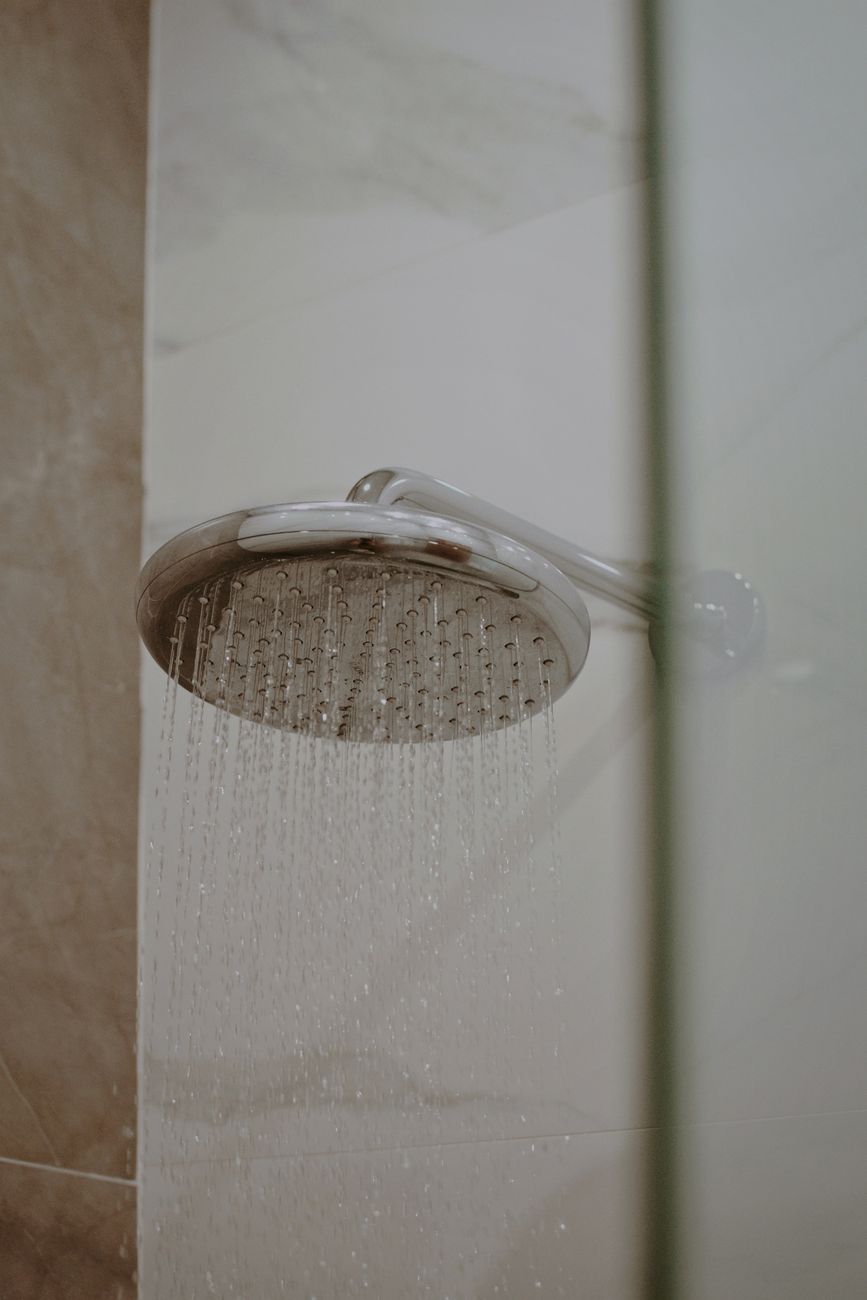
Our water bill jumped twenty percent one summer and I could not figure out why. No leak, no new appliances, no change in habits. Turned out the utility had raised rates and our usage — which looked normal on paper — was higher than it needed to be.
I swapped our old shower head for a low-flow model that cost about thirty dollars. The next month’s water bill dropped by nine dollars. It paid for itself in under four months, and every month since has been pure savings. Here is what to look for.
The numbers that matter
A standard shower head flows at 2.5 gallons per minute (GPM). A low-flow shower head rated at 1.5 GPM uses 40 percent less water. For a household of two people taking 8-minute showers daily, that is roughly 5,800 gallons of water saved per year.

If you pay for both water and the energy to heat it — which most people do — the savings double. Heating water accounts for about 18 percent of home energy use. Less hot water down the drain means less energy to heat the replacement water.
What to look for
Do not just grab the cheapest low-flow head. The technology has improved enormously in the last five years. Look for WaterSense certification — the EPA label that guarantees the shower head meets performance standards for spray force and coverage, not just flow rate.
Air-injection models mix air into the water stream, which makes the spray feel fuller without using more water. A 1.5 GPM air-injection shower head feels similar to a standard 2.5 GPM head. The water droplets are larger and hit with more force because of the air mixed in.
Installation takes five minutes
Unscrew the old head — you can usually do this by hand. If it is stuck, wrap a cloth around it and use pliers. Wrap the threads with Teflon tape (plumber’s tape) — three wraps clockwise — to prevent leaks. Screw on the new head hand-tight. Turn on the water and check for drips at the connection. If it drips, tighten another quarter turn.
No plumber. No tools beyond maybe a pair of pliers. The whole thing is easier than assembling IKEA furniture.
The shower timer bonus
Even with a low-flow head, a 15-minute shower uses more water than an 8-minute shower with a standard head. Put a small waterproof timer in the shower — a five-dollar suction-cup egg timer works. Knowing the clock is running changes behavior. Our average shower time dropped from 10 minutes to about 7 within the first week just from the awareness.
📋 Quick Summary: Swap to a WaterSense-certified low-flow shower head (1.5 GPM with air injection). Saves 5,800 gallons per year for a two-person household. Costs about $30, pays for itself in months, and installs in five minutes with no tools.