The Snow Shoveling Technique That Won’t Wreck Your Back
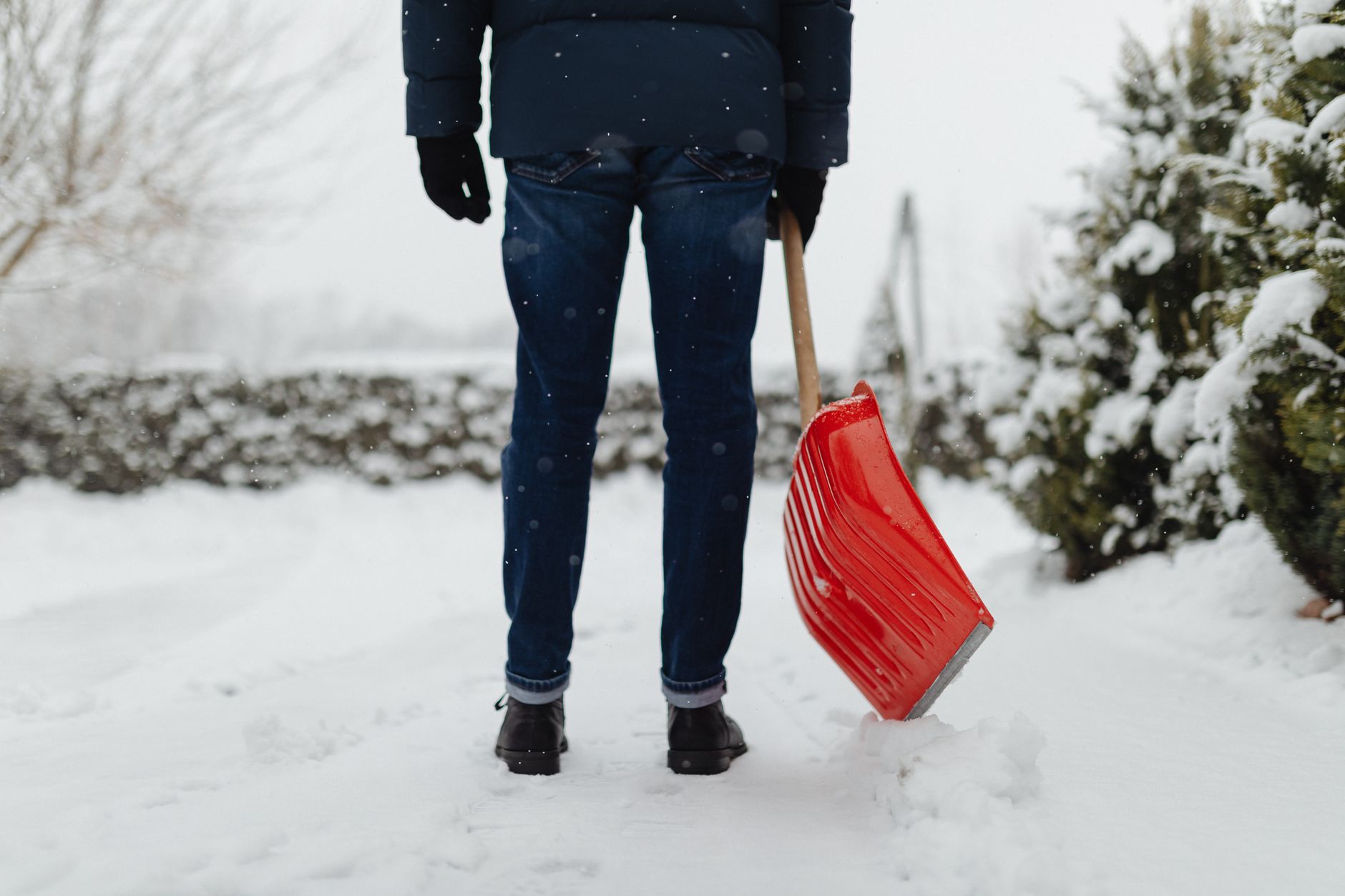
I threw my back out shoveling snow three winters ago. Bent over, twisted to throw, felt something pop near my spine. Could not stand straight for three days. The urgent care doctor said it was the most common winter injury she sees — and almost entirely preventable.
She handed me a one-page printout with shoveling instructions. I followed them the next storm. No back pain. The technique matters more than the shovel.
Push, do not lift
If your driveway or walkway allows it, push the snow to the side instead of scooping and throwing. Pushing uses your legs and body weight, not your lower back. Only lift when you have to — clearing steps, building a path through deep accumulation, or moving snow that has nowhere to go.
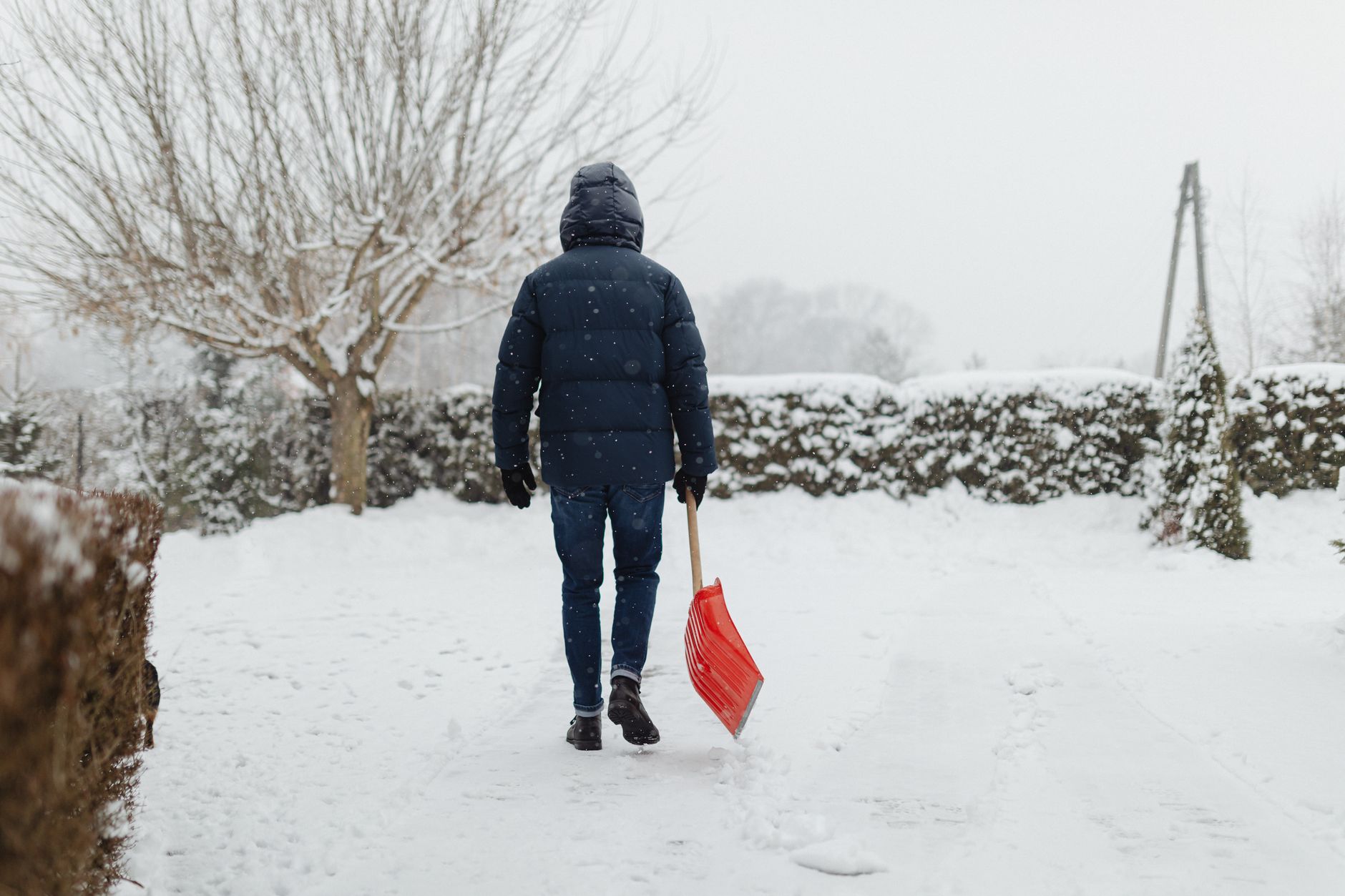
An ergonomic shovel with a curved handle makes pushing easier by keeping your back straighter, but even a regular shovel works if you keep both hands on the handle and push with your hips.
When you must lift: the golfer’s stance
Stand with your feet hip-width apart, one slightly ahead of the other. Bend your knees and keep your back straight — like a golfer addressing the ball. Scoop small amounts. Wet snow is heavy — a full shovel of wet snow can weigh 15 to 20 pounds. Take half-scoops.
Instead of twisting to throw, pivot your whole body. Move your feet to face the direction you are throwing. The twist is what injures your spine. Keep the shovel close to your body and toss the snow no more than a foot or two away. Long throws increase the torque on your lower back.
Timing changes everything
Shovel early and often during a storm instead of waiting until it is over. Four inches of fresh snow is light and manageable. Twelve inches of partially melted, compacted snow is a back injury waiting to happen. If the forecast calls for heavy snow all day, go out every two to three inches and do a quick pass.
Shovel in the afternoon if possible. Your spine is more hydrated and flexible in the middle of the day than first thing in the morning. Morning disc fluid pressure is higher, making you more vulnerable to injury.
What to do if you already hurt yourself
Stop immediately. Do not “push through” back pain while shoveling — you will turn a muscle strain into something worse. Ice for the first 48 hours, then heat. If you have numbness, tingling down your leg, or loss of bladder control, go to the ER — those can be signs of a disc problem.
📋 Quick Summary: Push snow instead of lifting, use a golfer’s stance with half-scoops when you must lift, pivot your whole body instead of twisting, and shovel every few inches during the storm instead of all at once.