How to Remove Red Wine Stains After They Have Dried
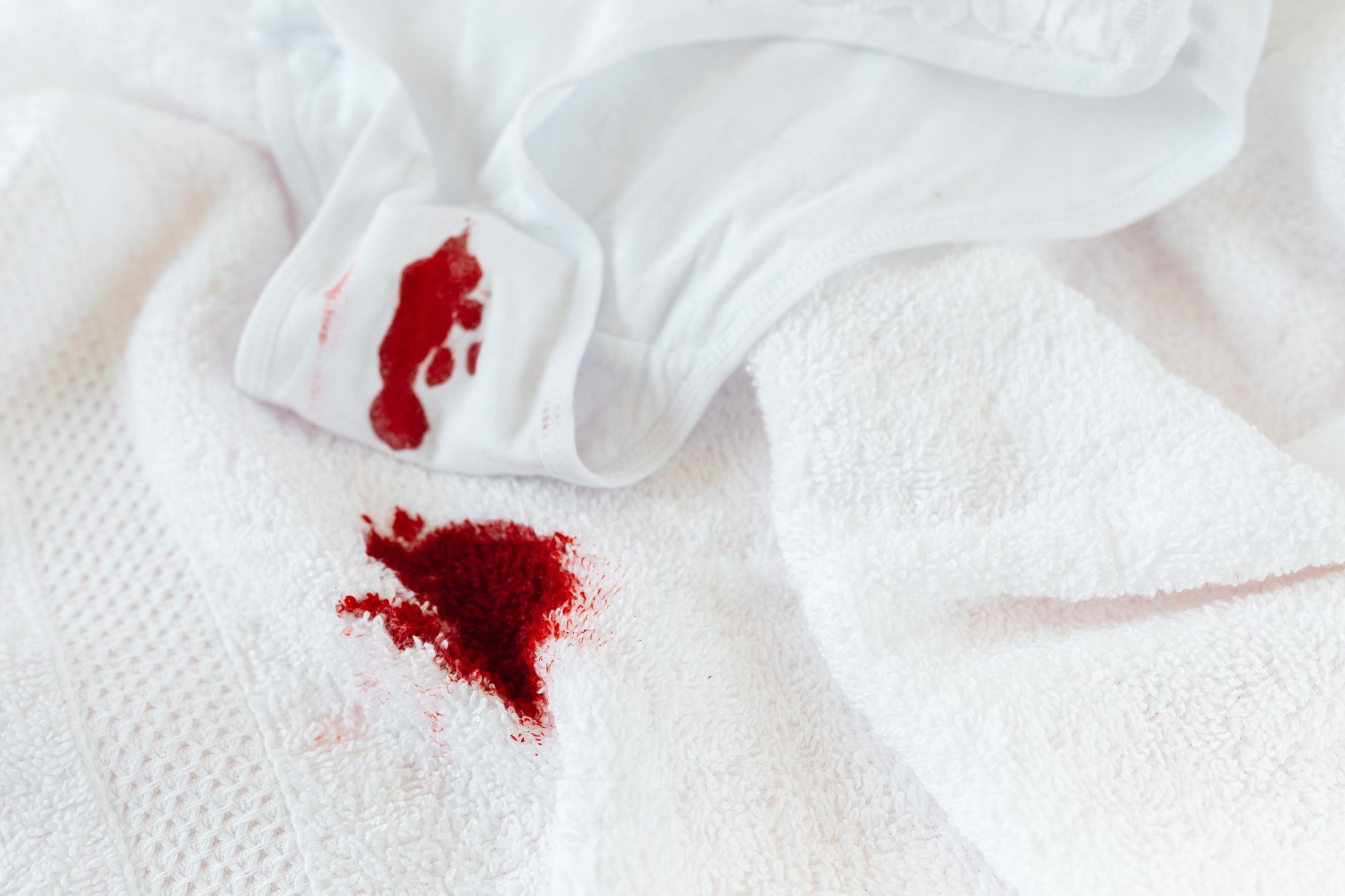
A guest spilled red wine on my cream-colored area rug at a dinner party. Nobody noticed until the next morning — by then the stain was brown, crusted, and looked permanent. I went through five internet remedies before finding the one that actually worked on a dried stain.
Fresh red wine stains come out with salt or club soda. Dried stains are a completely different problem. The wine pigments have bonded to the fabric fibers and oxidized. Most advice online assumes the stain is fresh. Here is what works when the wine has been sitting for hours or days.
Step one: rehydrate without spreading
Do not pour water directly on a dried wine stain. The water will carry the pigment outward and you end up with a larger, lighter stain instead of a smaller dark one. Instead, dab cold water onto the stain from the outside in using a clean white cloth. Work inward toward the center. This keeps the pigment contained while rehydrating the stain enough for the next step.
Step two: hydrogen peroxide and dish soap
Mix one part hydrogen peroxide (3%) with one part blue dish soap — the kind without bleach additives. Hydrogen peroxide is an oxidizing agent that breaks down the anthocyanin pigments in red wine the same way bleach breaks down color, but without damaging most fabrics.
Apply the mixture to the stain with a clean cloth or sponge. Blot — do not rub. Rubbing grinds the pigment deeper into the fibers. You should see the stain start to transfer onto your cloth within seconds. Switch to a clean section of the cloth each time to avoid reapplying the lifted pigment.
Step three: the boiling water pour
This sounds insane but it works on cotton and linen fabrics that can handle heat. Stretch the stained fabric over a large bowl and secure it with a rubber band so the stain is centered and taut. Pour boiling water from about a foot above the fabric, directly onto the stain. The combination of heat and the force of the pour physically pushes the broken-down pigment out of the fibers.
This method has saved two tablecloths and a cotton shirt for me. But check the care label first — wool and silk will not survive boiling water.
If all else fails: white vinegar and baking soda
Sprinkle baking soda over the stain, then pour a small amount of white vinegar on top. The fizzing action lifts pigment mechanically. Let it bubble for 10 minutes, then blot with cold water. Repeat if the stain is still visible. This is gentler than peroxide and works on most fabrics.
📋 Quick Summary: Dab cold water from outside in, apply peroxide + dish soap and blot, then try the boiling water pour on sturdy fabrics. Vinegar and baking soda as a gentler backup.