Do Blue Light Glasses Actually Help You Sleep Better
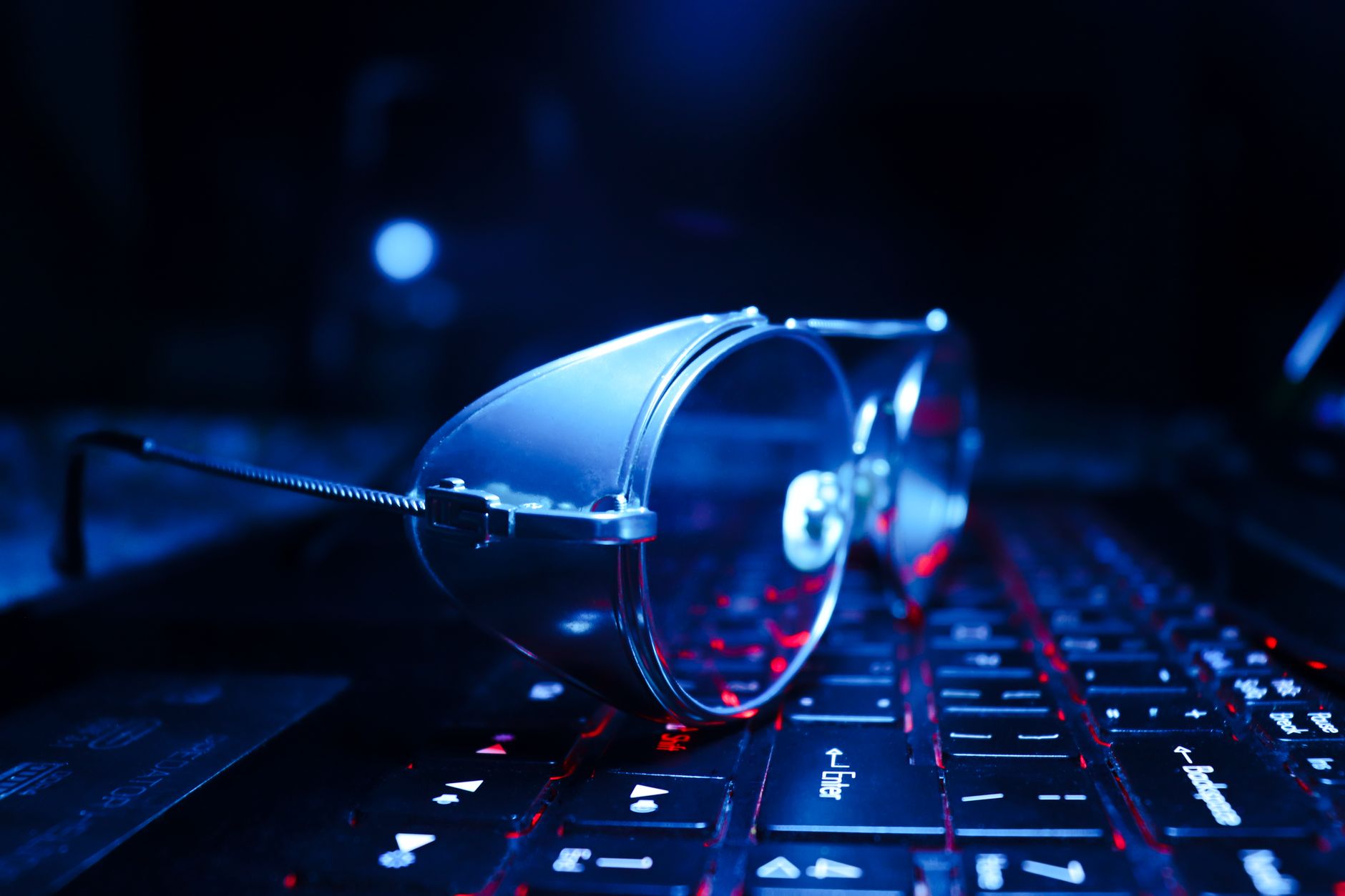
I bought a $12 pair of blue light glasses from a pharmacy display. They had amber lenses and made everything look like a sepia photograph. I wore them for two weeks every evening while watching TV and scrolling on my phone.
Did I sleep better? Honestly — I am not sure. So I went looking for actual research instead of just trusting the marketing.
What Blue Light Actually Does
Blue light — specifically wavelengths around 480 nanometers — suppresses melatonin production. Melatonin is the hormone that tells your body it is time to sleep. Sunlight is full of blue light, which is why we are awake during the day. Screens emit a fraction of what the sun does, but the problem is timing: we stare at them at 10 p.m. when our body expects darkness.
The Research Is Mixed
A 2021 systematic review looked at multiple studies on blue light blocking glasses and sleep. The findings: some studies showed a small improvement in sleep quality, some showed no effect. The glasses with dark amber or orange lenses that block close to 100% of blue light performed better than clear “blue blocking” lenses, which block maybe 20-30%.
The biggest effect was in people with insomnia. For people who already sleep fine, the glasses made little to no measurable difference. For people who struggle to fall asleep, they helped modestly.
What Actually Works Better
If you want to improve sleep related to screens, the evidence is much stronger for these approaches:
- Stop looking at screens 60-90 minutes before bed. This had a larger effect in studies than any glasses. I know everyone hates this advice. I hate it too. But it works.
- Use your device’s built-in night mode. iPhones have Night Shift, Android has Night Light. Set them to activate automatically at sunset. They reduce blue light at the source instead of filtering it through glasses.
- Dim the screen brightness. Total light exposure matters, not just the blue spectrum. A bright screen at any color temperature is stimulating.
My Personal Verdict
I stopped wearing the amber glasses. I use Night Shift on my phone, dim the screen after 9 p.m., and try to put the phone down 30 minutes before bed. That combination works better for me than the glasses ever did.
If you already have a pair, wear them — they probably do not hurt. But start with the free stuff first: night mode, dimmer screen, earlier cutoff.
📋 Quick Summary: Blue light glasses show modest benefit for people with insomnia but limited effect for good sleepers. Free alternatives work better: use your device’s night mode, dim screen brightness, and stop looking at screens 60-90 minutes before bed.