Keep Your Vacuum Cleaner Working Like New
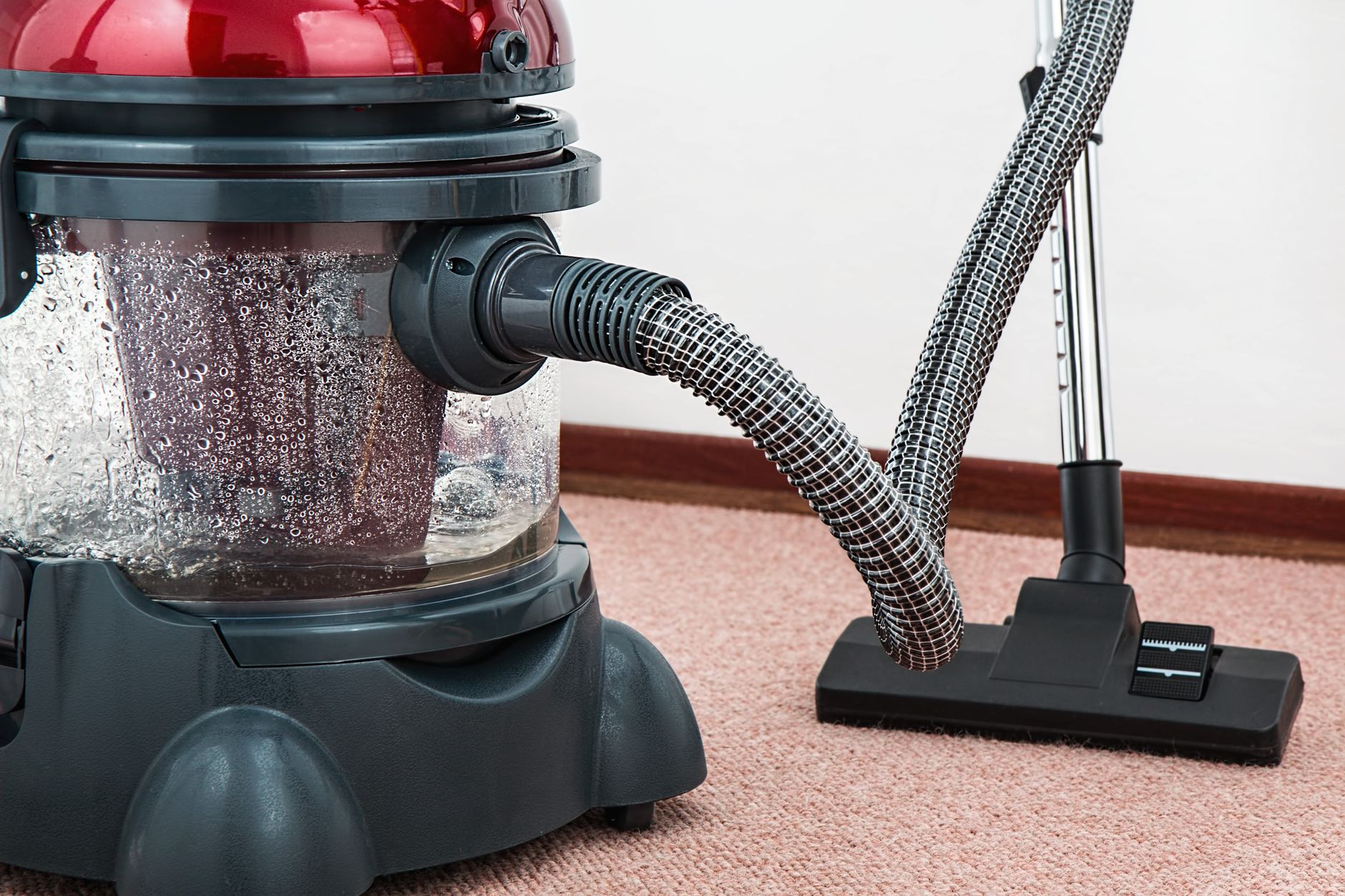
I bought a new vacuum because the old one “just did not suck anymore.” A neighbor — retired appliance repair guy — looked at my old one for thirty seconds and told me the motor was fine. The filters had never been cleaned. Not once in four years.
He cleaned the filters in my kitchen sink, handed it back, and it worked like the day I bought it. Most vacuum problems are maintenance problems, not mechanical failures.
Clean or Replace Filters Monthly
Every vacuum has at least one filter, usually two. When these clog, the motor overheats trying to pull air through them. Suction drops. The motor burns out faster. Washable filters: rinse under cold water until clear. Let dry completely — 24 hours minimum. Non-washable filters: tap against trash can to knock out loose dust. Replace every three to six months.
Cut Hair Off the Brush Roll
Long hair and pet fur wrap around the brush roll and eventually stop it from spinning. Turn the vacuum over once a month and use scissors to cut hair off. Most brush rolls have a groove along the length that scissors fit into. Also remove end caps and pull out hair wrapped around the axle — this is the hidden spot everyone misses.
Check the Hose for Blockages
If suction is weak and filters are clean, drop a coin through the hose. If it does not come out, you have a blockage. Socks are the most common obstruction. Use a broom handle to push it out.
Empty the Bin Before It Is Full
Bagless vacuums lose suction when the bin is more than two-thirds full. Empty it when it reaches the max line. A packed bin is like trying to breathe through a pillow.

My “broken” vacuum is now five years old and still pulls carpet fibers up on the first pass. All it needed was a filter rinse and a haircut for the brush roll.
Quick Summary: Clean filters monthly. Cut hair off brush roll. Check hose for blockages with coin test. Empty bin before max line. Most vacuums just need filter cleaning.