Replace a Light Fixture Without an Electrician
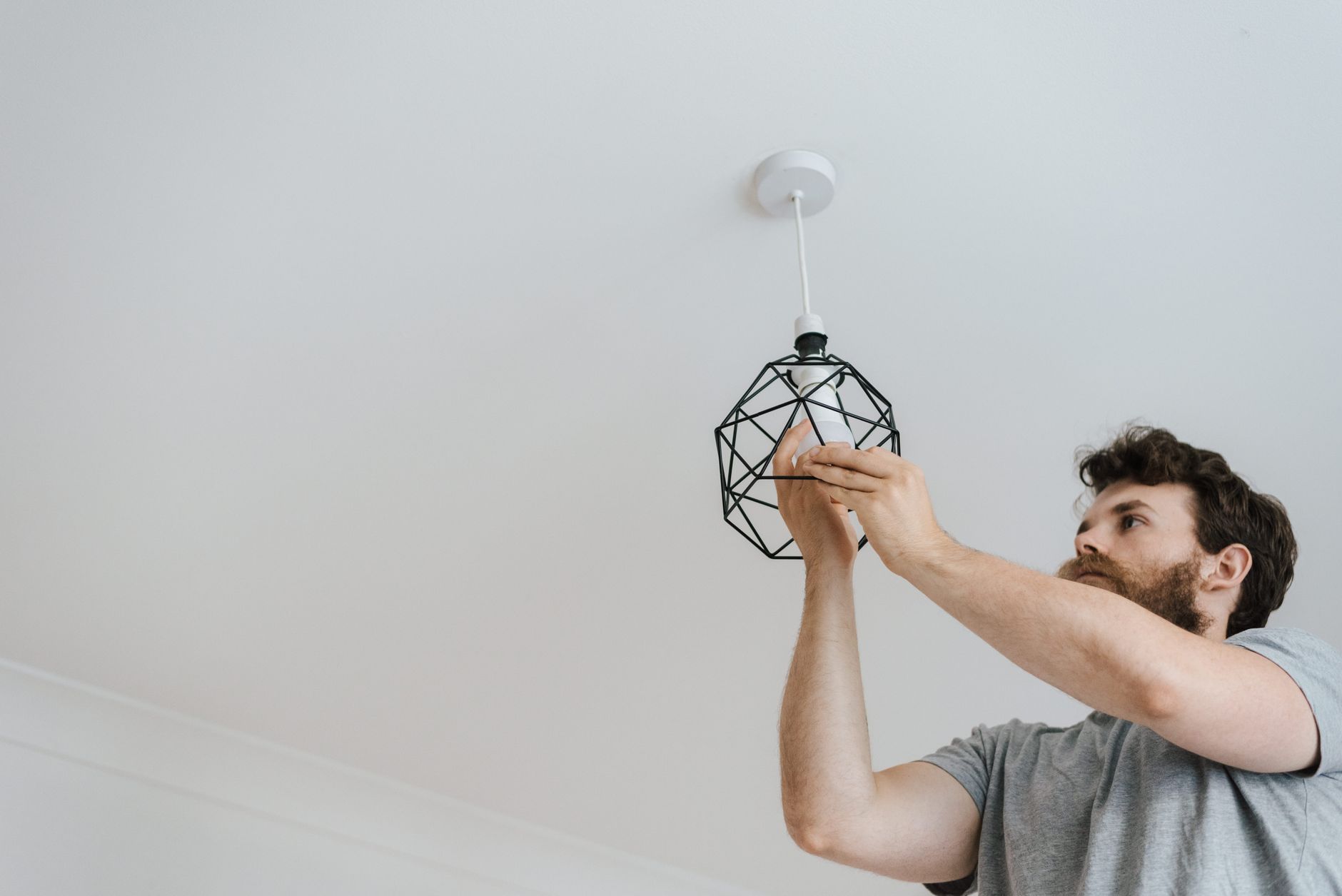
I paid an electrician one hundred fifty dollars to replace a hallway light fixture. He was in and out in twenty minutes. I watched the whole thing and realized I had paid someone four hundred fifty dollars an hour for something I could have done myself.
Replacing a light fixture is one of the safest electrical projects you can do. You are connecting three wires — black to black, white to white, ground to ground.
Safety First: Turn Off the Breaker
Find your breaker panel. Identify the breaker for the room. Flip it to OFF. Go back to the light, confirm it does not turn on. Use a non-contact voltage tester (ten dollars at any hardware store) to confirm wires are dead. Breaker labels are sometimes wrong.
The Three Wires
Inside the ceiling box you will find: black (hot), white (neutral), and bare copper or green (ground). Your new fixture has the same three. Connect them using wire nuts — twist exposed copper ends together clockwise, then screw the wire nut on clockwise until tight. Tug each wire gently to confirm it is secure.
Heavy Fixtures Need a Strong Box
Most ceiling boxes are rated for fifty pounds. If your new fixture is a ceiling fan or heavy chandelier, check the box rating. A fan-rated box is required for anything over thirty-five pounds.
When to Call an Electrician
If you see cloth-wrapped wires (pre-1960s wiring), stop and call a pro. Also call if you see scorching or water damage.
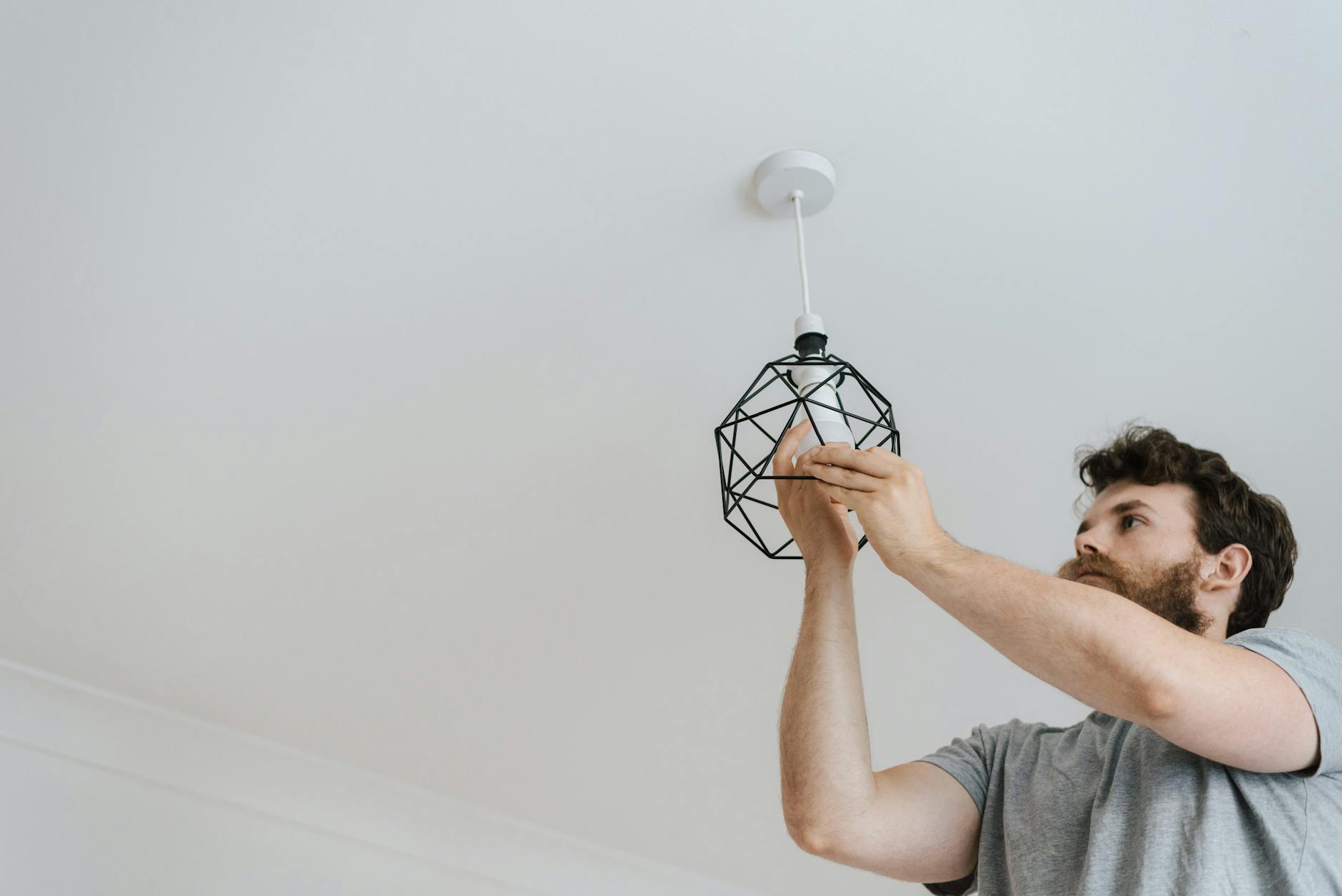
For a standard light fixture swap in a house built after 1980, you can do this. Turn off the breaker, test with a voltage tester, connect three wires, and you are done.
Quick Summary: Turn off breaker, confirm with voltage tester. Connect black-black, white-white, ground-ground with wire nuts. Check box weight rating. Call electrician if wiring is old or non-standard.