Make Your Stove Top Look Brand New in 10 Minutes
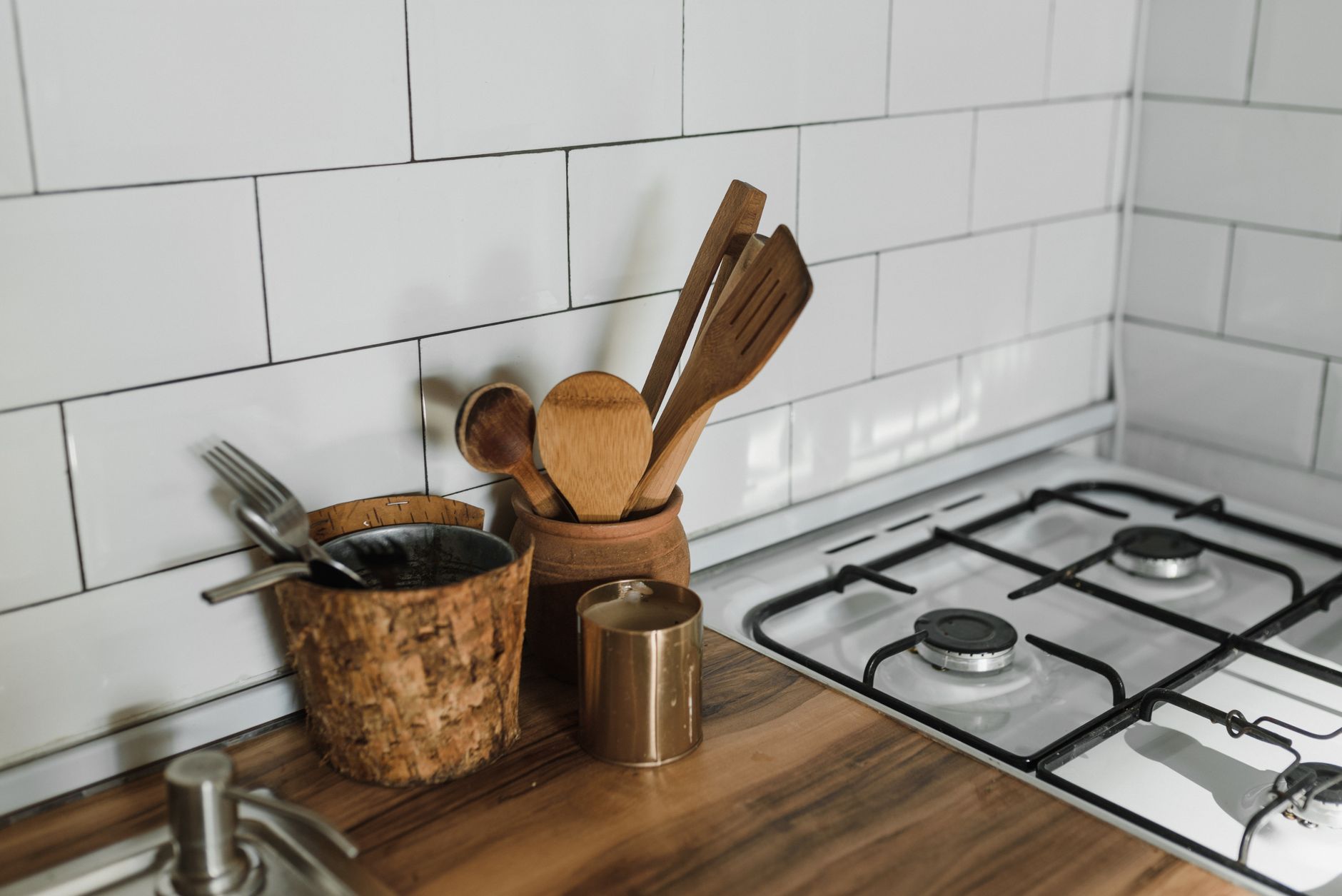
Last Thanksgiving, my mother-in-law walked into our kitchen, looked at the stove, and said “Oh honey, you should really take better care of this.” I wanted to disappear into the floor. The stove was not dirty — I cleaned it after every use — but it had that hazy film that builds up over months of cooking. The kind that never comes off with regular spray cleaner.
Turns out the secret is baking soda and hydrogen peroxide. Not one or the other — both, together. Baking soda provides the grit. Hydrogen peroxide provides the chemical reaction that breaks down polymerized oil (the clearish-brown film that regular cleaners cannot touch).
The 10-Minute Method
- Sprinkle baking soda generously over the entire stove top.
- Spray or drizzle hydrogen peroxide over the baking soda until it forms a wet paste.
- Let it sit for five minutes. You will see tiny bubbles forming — that is the peroxide reacting with the grease.
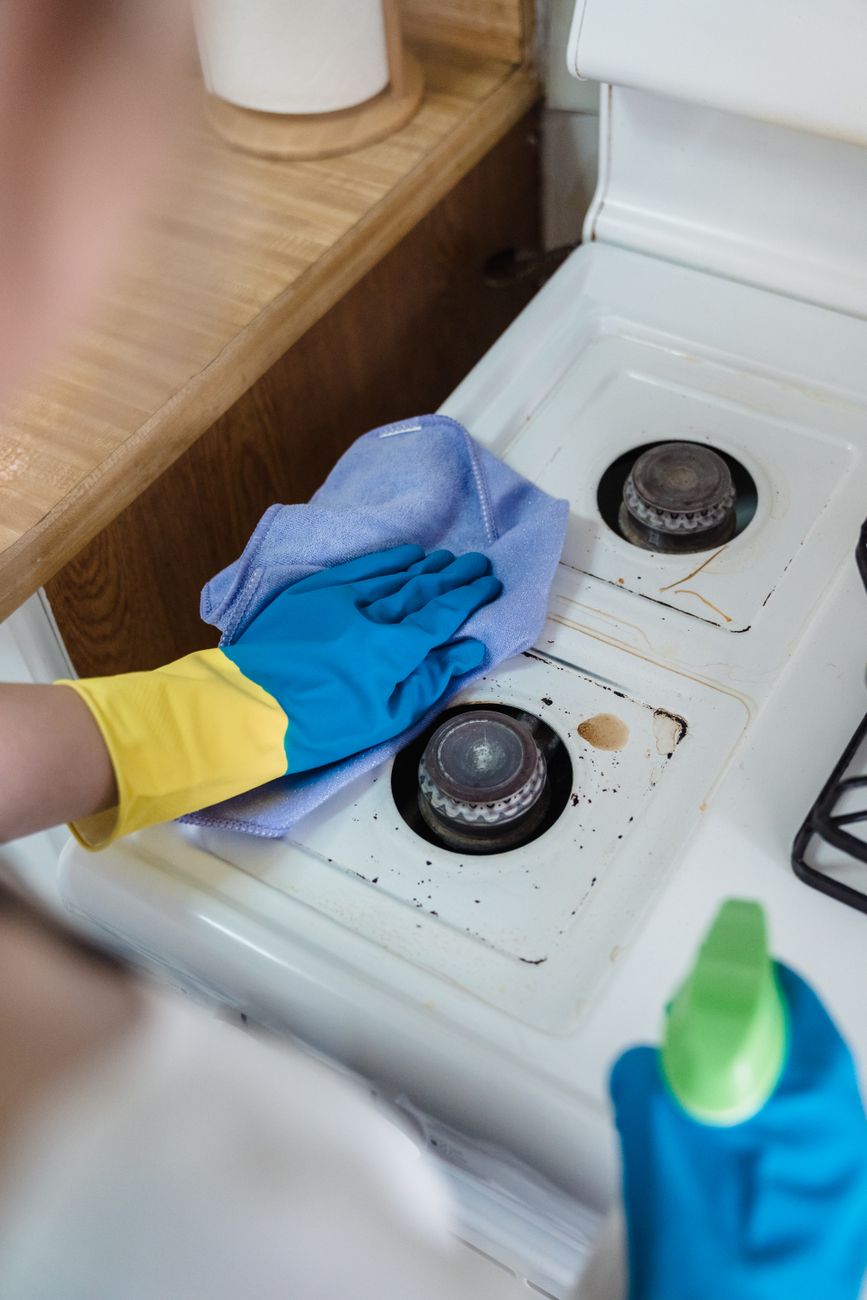
- Scrub with a damp sponge or microfiber cloth in circular motions.
- Wipe clean with a wet cloth, then buff dry with a paper towel.
The first time I did this, the paper towel came back black. Not brown — black. I had been cooking on years of invisible gunk and had no idea.
For Glass Cooktops
Same method, but add one step: after the baking soda paste, use a razor blade scraper at a 45-degree angle on any burned-on spots. Glass cooktops are surprisingly tough — you will not scratch them if you keep the blade flat. I was terrified the first time but it works perfectly.
Then polish with a few drops of cooktop cleaner or just white vinegar on a microfiber cloth. The glass goes from hazy to mirror-shiny in about thirty seconds of buffing.
The mother-in-law test? She came over three weeks later and said “See? I knew you could keep it clean.” I just smiled.
📋 Quick Summary: Baking soda + hydrogen peroxide paste. Sit 5 minutes. Scrub. Wipe. For glass tops, add a razor scraper for burned spots. Ten minutes for a stove that looks new.