Do You Really Need to Rinse Rice — The Science
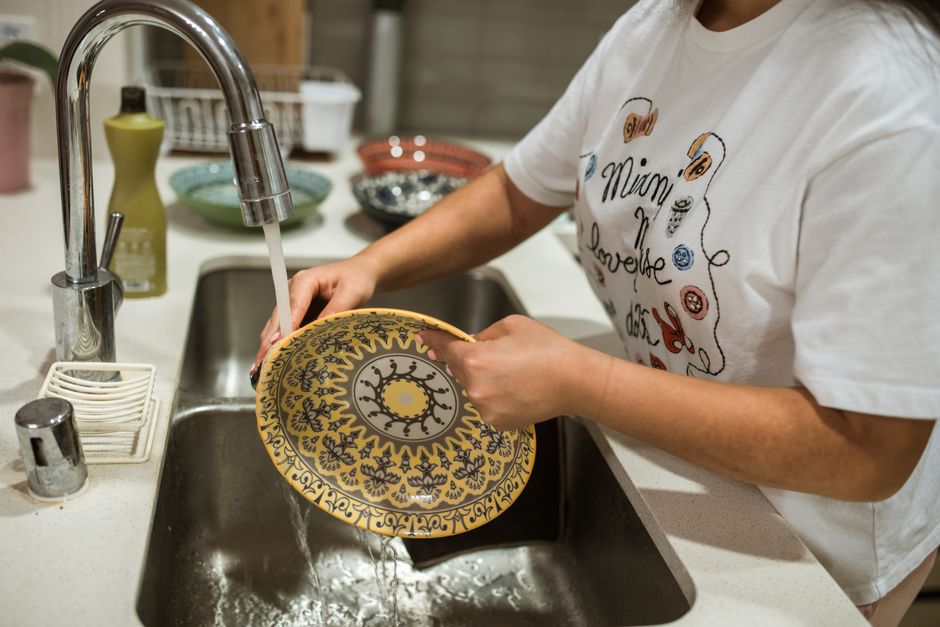
I used to skip rinsing rice. Every time. The bag says “enriched” and I figured the white powder coating was vitamins I paid for. Why wash money down the drain?
Then I made basmati for a dinner party and my friend Priya asked — gently, the way people ask when they don’t want to insult you — “Did you rinse this?”
The Starch Problem
That cloudy water when you rinse rice? That’s surface starch — tiny particles that broke off the grains during milling and transport. When you cook unrinsed rice, that starch turns into a paste that glues the grains together.
For long-grain varieties like basmati and jasmine, rinsing is non-negotiable. These rices are prized for being separate and fluffy. Starch kills that. Rinse until the water runs mostly clear — usually 3-4 changes of water.
When You Should Skip the Rinse
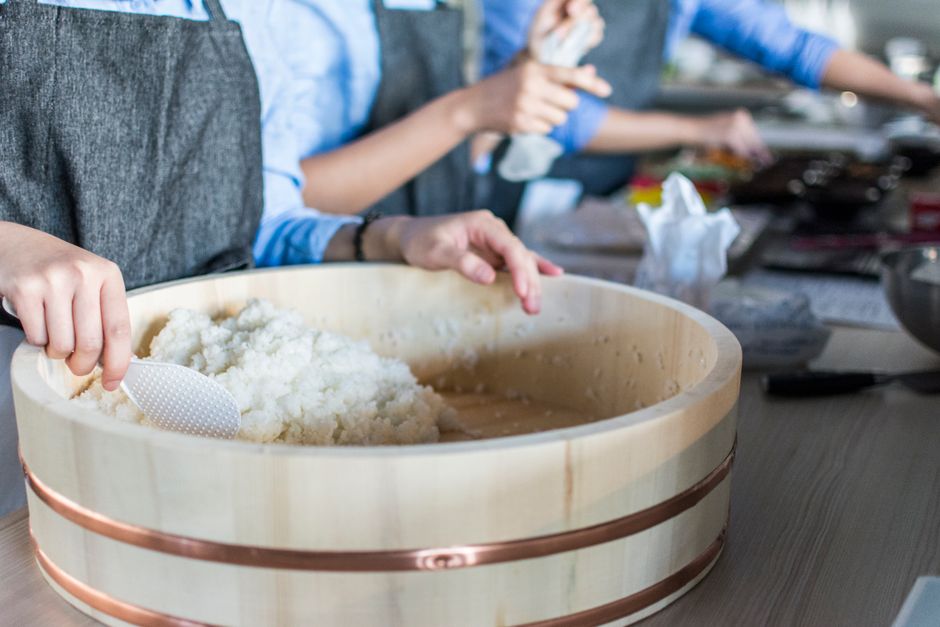
Some dishes want that starch. Risotto, paella, and sushi rice all depend on starch for their characteristic texture. If you rinse arborio rice before making risotto, you are working against yourself.
Fortified rice — the kind with “enriched” on the bag — has a vitamin and mineral coating sprayed on after processing. Rinsing removes some of those nutrients. The USDA estimates rinsing can wash away up to 30% of added B vitamins. If you rely on enriched rice for nutrition, skip the rinse or rinse very briefly.
The Right Way to Rinse
Do not use a colander. The holes are too big and rice slips through. Instead:
- Put rice in the pot you will cook it in
- Fill with cold water, swish with your hand for 10 seconds
- Pour off the cloudy water — use your hand or a lid to hold back the rice
- Repeat 3-4 times until water is mostly clear
Hot water makes the starch gummy in the bowl before it even hits the pot. Use cold water.
What About “No-Wash” Rice
Some Japanese and Korean brands sell musenmai — rice that has been processed to remove the sticky coating without washing. If the bag says “no-wash” or “musenmai,” trust it. Rinsing these can actually make them cook less evenly.
I now rinse long-grain rice every time and skip it for risotto and enriched white rice. Priya has not needed to ask again.
📋 Quick Summary: Rinse long-grain rices for fluffiness, skip rinsing for risotto/sushi/enriched rice, and always use cold water.