The Day I Accidentally Washed My Wireless Earbuds (And Saved Them)

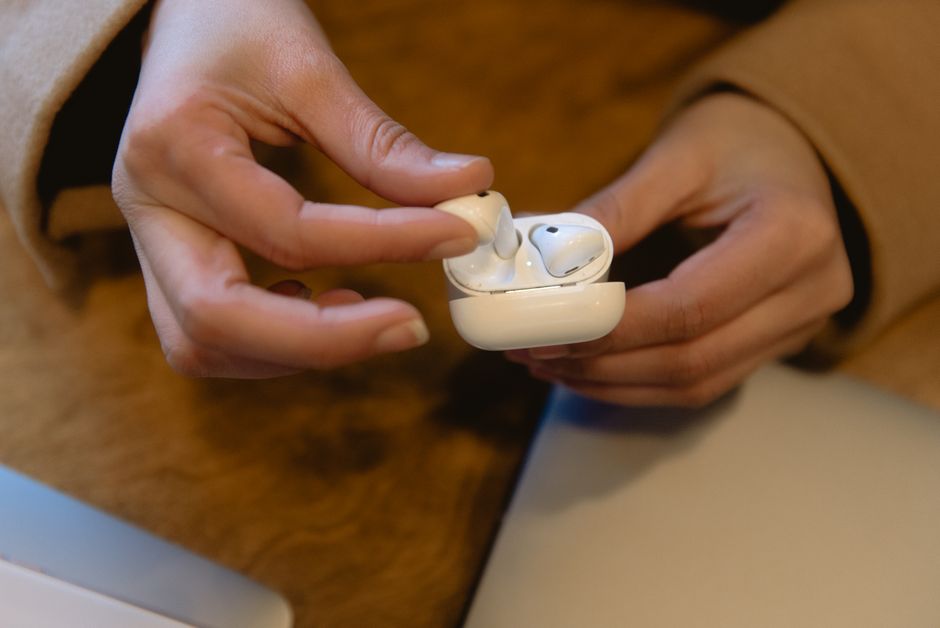
I pulled my favorite pair of wireless earbuds out of the washing machine and felt my stomach drop. They had gone through a complete wash cycle — hot water, detergent, forty-five minutes of aggressive tumbling — inside the pocket of my jeans. The charging case was filled with water.
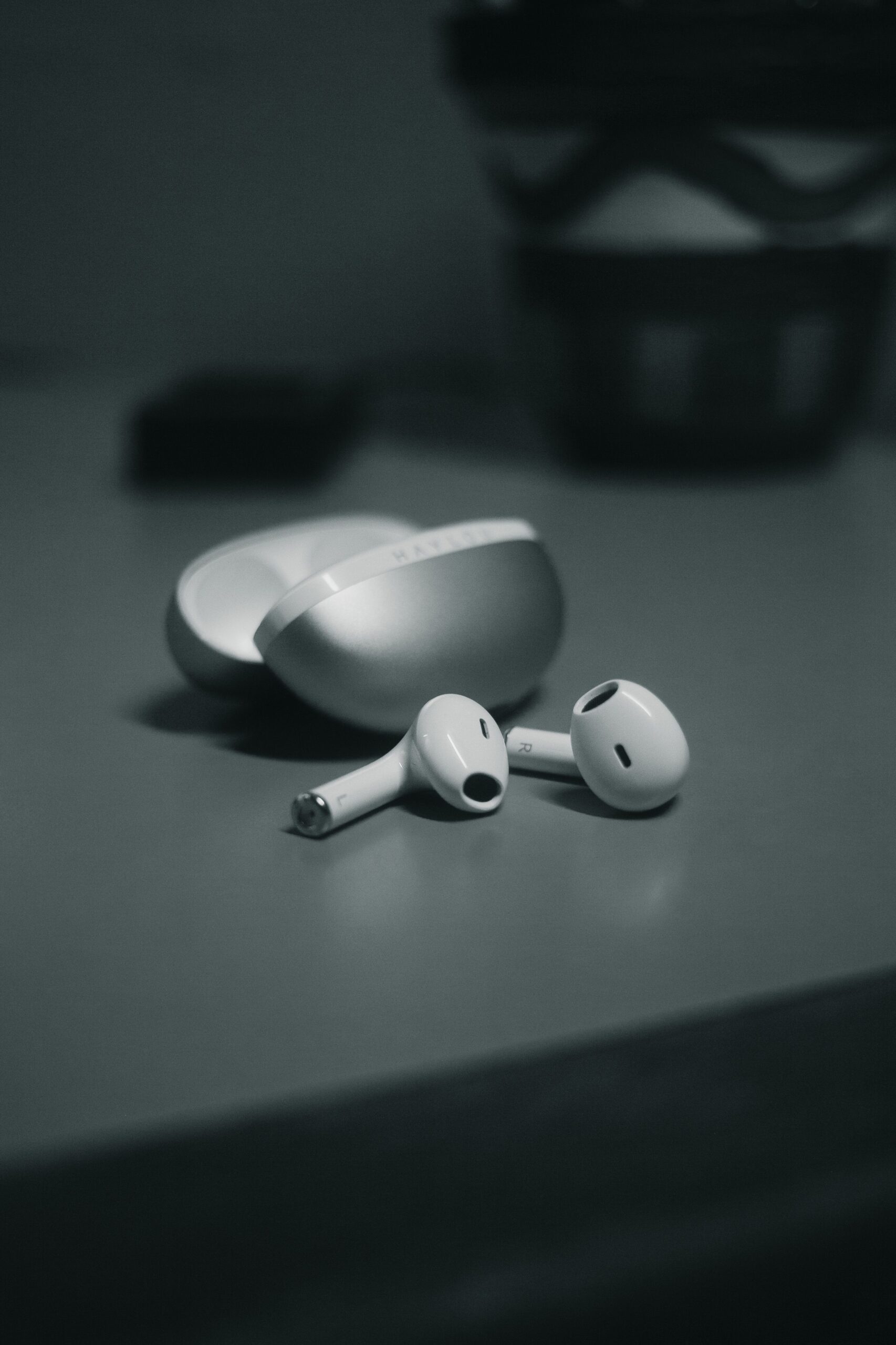
The earbuds themselves were soaked. They had been a birthday gift from my wife, and they cost more than I was comfortable admitting I had just destroyed through sheer carelessness. My first instinct was to test them.
Do not do this. I know now that powering on wet electronics is the fastest way to short-circuit them permanently. Water itself is not what destroys electronics — it is the combination of water and electricity.
When you power on a wet device, the water creates unintended electrical pathways between components, sending current where it should not go and frying delicate circuits. But at the time, I did not know this, and I almost made a bad situation irreversible. Instead of powering them on, I did some frantic Googling and learned the rice myth.
You have probably heard it: put wet electronics in a bag of rice, and the rice will absorb the moisture. I had a bag of rice in my pantry and was about to pour it into a bowl when I read the next search result: rice does not actually work well, and it can make things worse by introducing starchy dust into the device’s ports and openings. The correct approach, which I followed and which saved my earbuds, was this: first, remove the earbuds from the case immediately.
The case has its own battery and electronics, and keeping the earbuds in a wet case creates multiple points of electrical risk. Second, gently shake out as much water as possible. Third, place each component separately in front of a fan with good airflow.
Moving air is dramatically more effective at evaporating water than still air, which is why the rice trick fails — rice is a desiccant, yes, but it does not create airflow, and evaporation needs airflow. I positioned a small desk fan to blow directly on the earbuds and the open charging case. I left them there for a full forty-eight hours.
I was tempted to test them after twenty-four hours, but I reminded myself that patience was cheaper than replacements. At the forty-eight-hour mark, I carefully powered them on. They connected immediately.
The sound quality was unchanged. The battery life was normal. They have been working perfectly for the eight months since this incident.
I have since learned that silica gel packets — the little “do not eat” packets that come in shoe boxes and electronics packaging — are actually excellent for this purpose. I started saving them in a jar, and now whenever a device gets wet, I seal it in a bag with a handful of silica gel packets and leave it for two days. The silica gel genuinely absorbs moisture without leaving residue.
The one thing I would add: if the liquid was anything other than clean water — salt water, coffee, soda, anything sugary or corrosive — you need to rinse the device with distilled water first. Tap water leaves mineral deposits. Distilled water does not.
Rinse gently, then proceed with the fan drying. Salt water is particularly destructive because salt is conductive and corrosive. If your device takes a swim in the ocean, rinse it with distilled water immediately, then dry it for at least seventy-two hours before powering on.
I check my pockets before laundry now. Every single time. But if you ever find yourself in my situation, remember: no power, no rice, lots of moving air, and more patience than you think you need.
📋 Quick Summary
- Instead of powering them on, I did some frantic Googling and learned the rice myth.
- I had a bag of rice in my pantry and was about to pour it into a bowl when I read the next search result: rice does not actually work well, and it can…
- The correct approach, which I followed and which saved my earbuds, was this: first, remove the earbuds from the case immediately.
- The sound quality was unchanged.
- I have since learned that silica gel packets — the little “do not eat” packets that come in shoe boxes and electronics packaging — are actually excell…