Store Holiday Leftovers Safely So Nothing Goes to Waste — The Timeline That Saved My Fridge
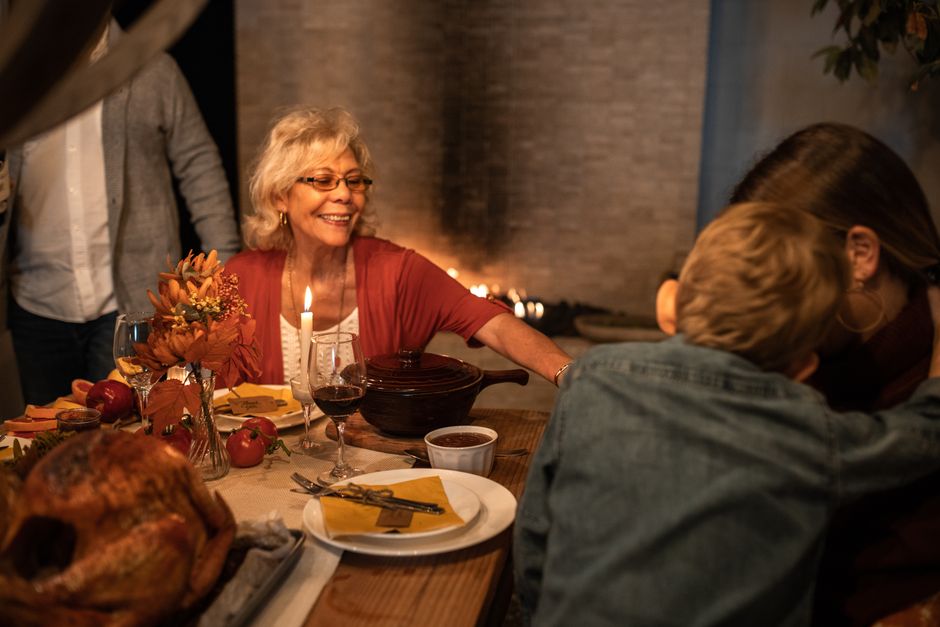
Two Thanksgivings ago, I threw away half a turkey. Not because it was bad — because I did not know how long it was safe to eat and I was scared of food poisoning. I had spent six hours cooking. Then I spent 30 seconds dumping half of it into the trash because I could not remember when I had put it in the fridge.
That moment — standing over the garbage can holding a perfectly good drumstick — made me change how I handle leftovers.
The 2-2-4 Rule: Write This on Your Fridge
The USDA food safety guidelines are simpler than most people think. I boiled them down to three numbers:
- 2 hours: Cooked food must go into the fridge within two hours of coming off the heat. One hour if it is a hot day (above 90°F). Bacteria doubles every 20 minutes in the danger zone between 40°F and 140°F.
- 2 inches: Store leftovers in shallow containers no more than two inches deep. A giant tub of mashed potatoes takes hours to cool in the center — the middle stays in the danger zone while the edges are already cold. Shallow containers cool evenly and fast.
- 4 days: Most cooked leftovers are safe for four days in the fridge. After that, toss them. Gravy and seafood are three days max.
The two-inch rule was the one I had never heard before. I used to put everything in deep casserole dishes straight into the fridge. No wonder my leftovers sometimes tasted off by day three.
Freezer Timeline (Much Longer Than You Think)
If you know you will not eat something within four days, freeze it immediately — do not wait until day three and then freeze. Freezing suspends bacterial growth but does not reverse it. Food frozen on day one is much higher quality than food frozen on day four.
Freezer storage times for common holiday foods:
- Cooked turkey and ham: 2-3 months
- Gravy and sauces: 4-6 months
- Stuffing and casseroles: 2-3 months
- Mashed potatoes: 1-2 months (they get grainy after that)
- Pies (baked): 3-4 months
Label everything with the date and what it is. I use painter’s tape and a Sharpie. “Mystery container of brown” is not helpful in January.
The Reheating Rule
Reheat leftovers to 165°F internal temperature. Not “hot enough.” Not “steaming.” Measure it once with a thermometer so you know what 165 feels like — the food should be too hot to eat immediately. Sauces and gravies need to come to a full rolling boil.
Only reheat what you will eat. Do not reheat the entire container of turkey, take out what you need, and put the rest back. Each reheat cycle degrades quality and increases the risk of bacteria surviving.
The Freezer Trick Nobody Uses
Freeze gravy and soup in ice cube trays. Once frozen, pop the cubes into a freezer bag. Now you can reheat exactly the amount you need — two cubes for a quick pasta sauce, four for a soup base. No more thawing a quart of gravy when you only need a cup.
📋 Quick Summary: Refrigerate within 2 hours, store in shallow containers (2 inches max), eat within 4 days or freeze. Label everything with date. Reheat to 165°F. Freeze liquids in ice cube trays for portion control. When in doubt, throw it out.