Do Not Throw Away Coffee Grounds — 8 Ways I Use Mine Every Week
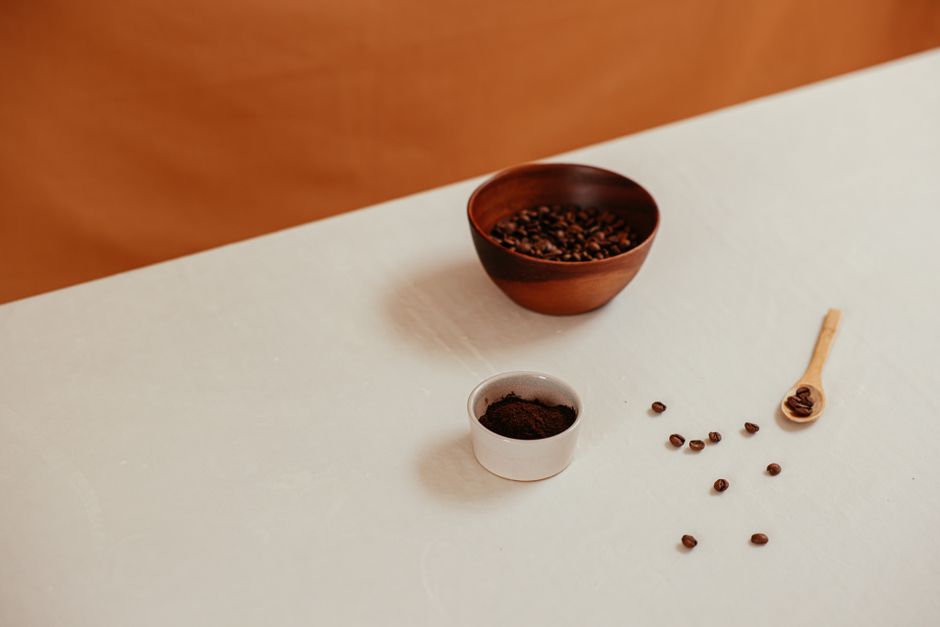
I used to toss my coffee grounds every morning without thinking. French press, dump, rinse, repeat. One day I did the math — roughly two cups of grounds per week, just from my household. That is a hundred cups a year going straight to landfill. And coffee grounds do not break down well in landfills. They release methane.
Now I keep a bowl next to the coffee maker. After my morning brew, the grounds go in the bowl. By the end of the week I have a pile of free, useful material. Here is everything I actually do with them.
1. Garden Fertilizer — The Obvious One
Coffee grounds are roughly 2% nitrogen by volume. Plants love nitrogen. Sprinkle the grounds directly on the soil around acid-loving plants — blueberries, roses, azaleas, hydrangeas. Do not pile them thick or they will form a crust that repels water. A thin sprinkle, raked in lightly, is all you need.
I also mix them into my compost. They count as “green” material (nitrogen-rich), so balance them with “browns” like dried leaves or cardboard. My compost pile heats up noticeably faster when I add grounds.
2. Deodorize Your Fridge
Dried coffee grounds absorb odors the same way baking soda does — through porous surface adsorption. I keep a small open container of dried grounds in the back of the fridge. Replace every two weeks. It works better than baking soda for strong smells like fish or onion, and it is free.
Warning: use dried grounds, not wet. Wet grounds will mold in your fridge. Spread them on a baking sheet and leave them on the counter for a day, or pop them in a low oven for 10 minutes.
3. Hand Deodorizer After Cooking
Garlic hands. Onion hands. Fish hands. You wash and wash and the smell lingers. Scrub your hands with a handful of used coffee grounds and a little soap. The grounds are gently abrasive and the coffee oils absorb odor molecules. Rinse and your hands smell like nothing. Maybe faintly of coffee, which beats garlic.
4. Body Scrub
Mix grounds with a little coconut oil or olive oil until you get a paste. Use it as a body scrub in the shower. The caffeine might even temporarily tighten skin — some studies suggest topical caffeine improves circulation. At minimum you get exfoliation for free.
Do not go overboard on your face — the grit is a bit coarse for facial skin. Stick to elbows, knees, and feet.
5. Scour Pots and Pans
Coffee grounds are abrasive enough to scrub stuck-on food but not so abrasive that they scratch stainless steel. I keep a small jar of grounds under the sink for cleaning cast iron and stainless pans. Dump a tablespoon on, scrub with a sponge, rinse. Way cheaper than Bar Keepers Friend.
6. Flea Repellent for Dogs
After bathing your dog, rub used coffee grounds through their fur, then rinse thoroughly. Fleas apparently hate the smell and the texture. I have not tested this one scientifically, but my neighbor swears by it for her labrador. Do not let the dog eat the grounds — caffeine is toxic to dogs if ingested.
7. Slug and Snail Barrier
Slugs will not cross a barrier of coffee grounds. The caffeine is toxic to them and the gritty texture irritates their bodies. I ring my hostas with grounds in spring. It washes away after heavy rain so you need to reapply, but it is safer than slug pellets if you have pets or kids.
8. Natural Wood Scratch Cover
Mix grounds with a little olive oil to make a paste. Rub it into light scratches on dark wood furniture with a cotton swab. Let it sit for 10 minutes, then buff off. The grounds stain the exposed wood darker. This is not a permanent repair, but it hides scratches well enough that guests will not notice.
📋 Quick Summary: Used coffee grounds work as garden fertilizer, fridge deodorizer, hand scrub, body exfoliant, pot scourer, flea repellent, slug barrier, and wood scratch cover. Dry them before using for deodorizing. Keep away from pets — caffeine is toxic to dogs and cats.