Weatherproofing Windows: The Trick I Wish I Knew Sooner
My first winter in my house, I practically watched money float out of my windows. I could stand next to the living room window and feel a cold breeze on my face, even with the window completely closed. My heating bill that December was almost $400, and I was still wearing a sweatshirt indoors. I knew something had to change, but I also knew I could not afford to replace all my windows — that would have been a five-figure project.
A conversation with my father-in-law, who grew up in an old farmhouse in Minnesota, pointed me toward weatherproofing. He had lived in a house where the curtains moved in the wind even with the windows closed, and his family had learned all the tricks for keeping cold air out and warm air in. He walked me through my house one Sunday afternoon and showed me problems I had not even noticed.
The first thing he did was hold a lit incense stick near each window. Wherever the smoke wiggled or blew sideways, there was a draft. I was stunned by how many leaks I had. Nearly every window showed some air movement around the edges, and two windows had gaps large enough that the smoke actually blew out. This test was the single most useful thing I did because it showed me exactly where to focus my efforts instead of guessing.
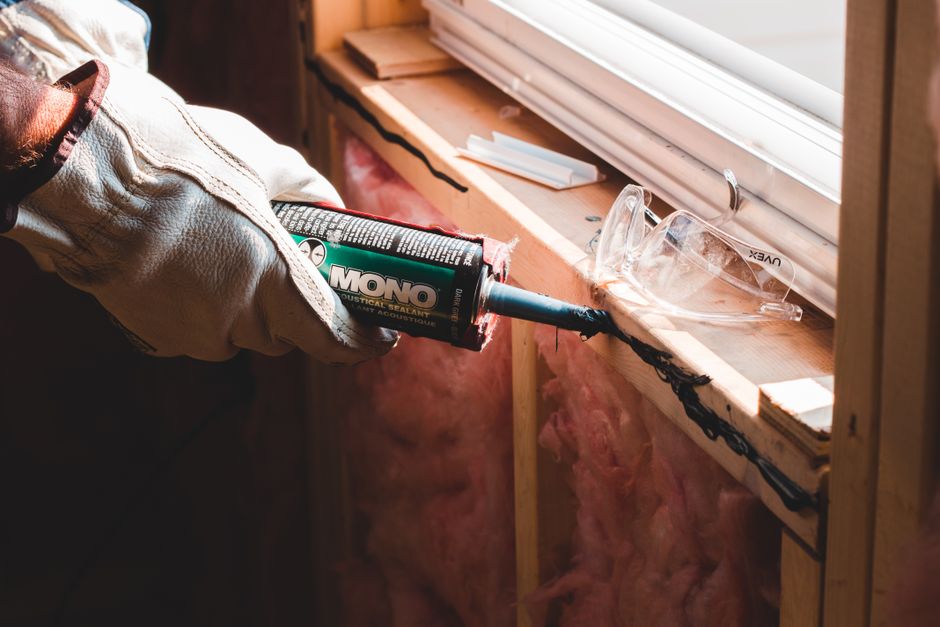
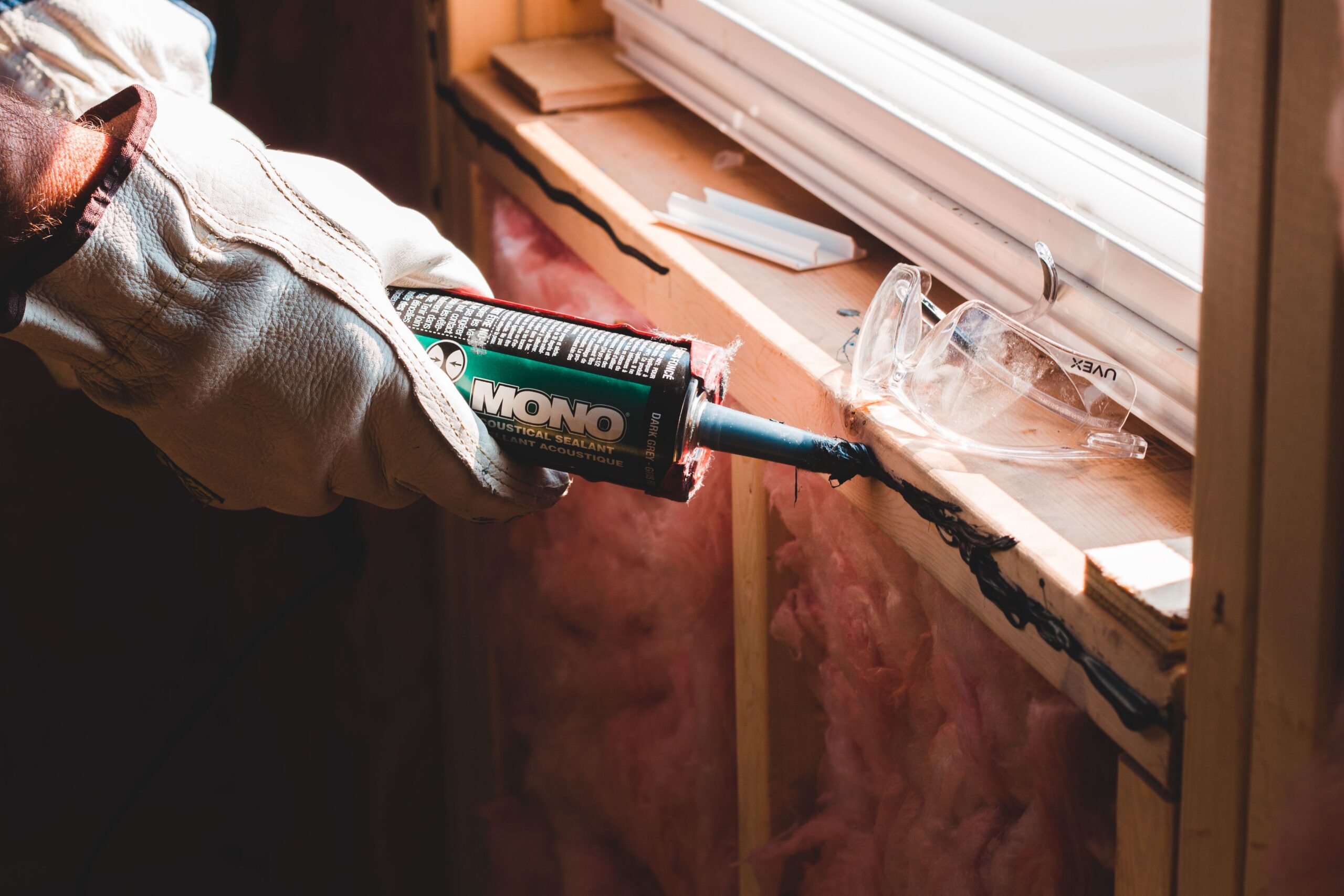
For the gaps around the window frames where they met the wall, my father-in-law showed me how to apply caulk. The previous caulk was cracked and pulling away from both the window frame and the wall. I removed the old caulk with a putty knife, cleaned the gaps with a vacuum, and applied a fresh bead of silicone caulk. The difference was immediate — the drafts around the frames disappeared completely. One tip he gave me that I would not have thought of: do not caulk in freezing temperatures because the caulk will not cure properly. I had to wait for a mild day in October to do this work.
The movable parts of the windows — where the sash meets the frame and where the top and bottom sashes meet each other — needed a different approach because those joints have to be able to open and close. I used adhesive foam weatherstripping, which comes in rolls of different widths and thicknesses. I measured the gaps with a piece of paper: if a folded piece of paper could slide through easily, I used thicker foam; if it was tight, I used thin foam. The weatherstripping compresses when you close the window and expands when you open it, maintaining the seal.
For the bottom of the windows, I installed new sweeps. The old ones had worn down to almost nothing. A window sweep is a strip of rubber or brush-like material that seals the bottom edge of the sash against the sill. Replacing them took about five minutes per window and cost maybe $3 per window. You just pull out the old sweep and press the new one into the track.
The trick I wish I had known about years earlier is the window insulation film kit. This is a clear plastic film that you apply to the interior of the window frame with double-sided tape, then heat with a hair dryer to shrink it tight and completely transparent. It creates an insulating pocket of air between the film and the window glass. When I first heard about it, I assumed it would look like I had plastic-wrapped my windows. It is actually nearly invisible once installed, and it made a bigger difference on my heating bill than any other single change. On the two worst windows in the house — old single-pane units that I plan to replace eventually — the film eliminated the drafts entirely. These kits cost about $10 per window and take about fifteen minutes per window to install.
After a full weekend of weatherproofing — caulking, weatherstripping, new sweeps, and film on the worst windows — my heating bill dropped by almost thirty percent the following month. The house felt noticeably warmer, and the furnace ran less often. The total cost for all the materials was under $100, and the payback on my energy bill happened within the first two months.
📋 Quick Summary
- He had lived in a house where the curtains moved in the wind even with the windows closed, and his family had learned all the tricks for keeping cold air out and warm air in.
- My first winter in my house, I practically watched money float out of my windows.
- The first thing he did was hold a lit incense stick near each window.
- This is a clear plastic film that you apply to the interior of the window frame with double-sided tape, then heat with a hair dryer to shrink it tight and completely transparent.