How I Fixed a Leaky Faucet Without Calling a Plumber

The dripping started on a Tuesday night. It was one of those sounds that, once you hear it, you cannot unhear it. Drip. Drip. Drip. Every four seconds, like Chinese water torture. By Wednesday morning, I had stuffed a washcloth under the faucet to muffle the noise and was looking up plumbers on my phone. The first quote I got was for $150 just to show up, plus parts and labor. For a drip.
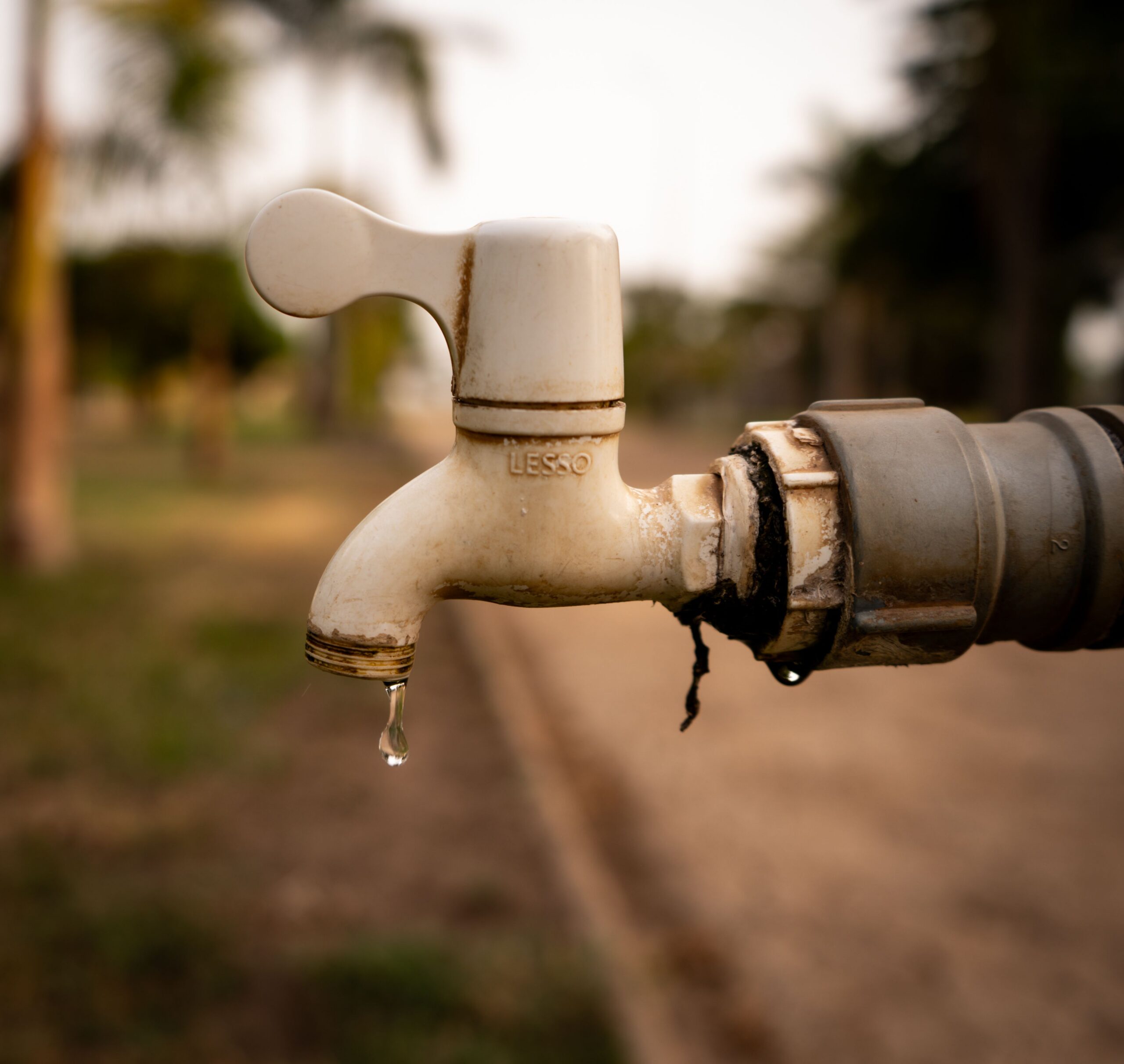
I have never been particularly handy. My dad could fix anything around the house, but that gene apparently skipped a generation. Still, $150 for what seemed like a simple problem felt like highway robbery, so I decided to at least try to fix it myself before calling in the professionals. If I messed it up, I reasoned, I could always call the plumber afterward.
The first thing I did was watch a five-minute YouTube video about fixing a leaky faucet. The video made it look so straightforward that I felt almost foolish for considering a plumber. The host explained that most faucet leaks are caused by a worn-out O-ring or washer — small rubber pieces that cost less than a dollar to replace but require some disassembly to access.
Before doing anything else, I turned off the water supply under the sink. This is the step that YouTube videos always emphasize and that first-timers like me are most likely to skip. The shut-off valves are the small knobs on the pipes coming out of the wall under the sink. I turned both the hot and cold valves clockwise until they stopped. Then I turned the faucet on to let any remaining water drain out and to confirm the water was actually off. The last thing I wanted was a geyser in my kitchen.
The next step was removing the faucet handle. My faucet is a standard two-handle model, so I used a flathead screwdriver to pop off the decorative cap on top of the handle — the little piece that says “Hot” or “Cold.” Underneath was a screw that I removed with a Phillips head screwdriver. The handle lifted right off. Under the handle was the cartridge and the packing nut, which I loosened with an adjustable wrench. I placed a towel over the drain before doing this because I knew from the video that I would probably drop a small part, and I definitely did.
Once the stem was out, I could see the problem immediately. The rubber washer at the bottom was cracked and misshapen. Next to it, the O-ring was flattened and brittle. I took both pieces to the hardware store and matched them to new ones from the plumbing aisle. The total cost was $2.47 including tax. I bought two sets just in case.
Reassembly was the reverse of disassembly, but there was one moment of panic when I turned the water back on and the faucet still dripped. I had tightened the packing nut too loosely. A quarter turn more with the wrench fixed the issue, and the dripping stopped completely. I stood there in my kitchen, listening to the silence, feeling genuinely proud of myself.
What I learned from this experience is that most basic plumbing repairs are not as complicated as they seem. You do not need special skills or expensive tools. You need the willingness to try, a YouTube tutorial, and the patience to take things apart slowly so you remember how they go back together. Since that faucet, I have fixed a running toilet, replaced a showerhead, and unclogged a sink trap. Each time, I saved at least $100 compared to calling a plumber.
The $2.47 I spent on that first repair has paid off many times over, not just in money saved but in the confidence that I can handle small household problems myself.
📋 Quick Summary
- This is the step that YouTube videos always emphasize and that first-timers like me are most likely to skip.
- Photo by Sudarson Alwin on Pexels I have never been particularly handy.
- If I messed it up, I reasoned, I could always call the plumber afterward.
- You need the willingness to try, a YouTube tutorial, and the patience to take things apart slowly so you remember how they go back together.