The Vacuum Attachment That Catches Dust You Never See
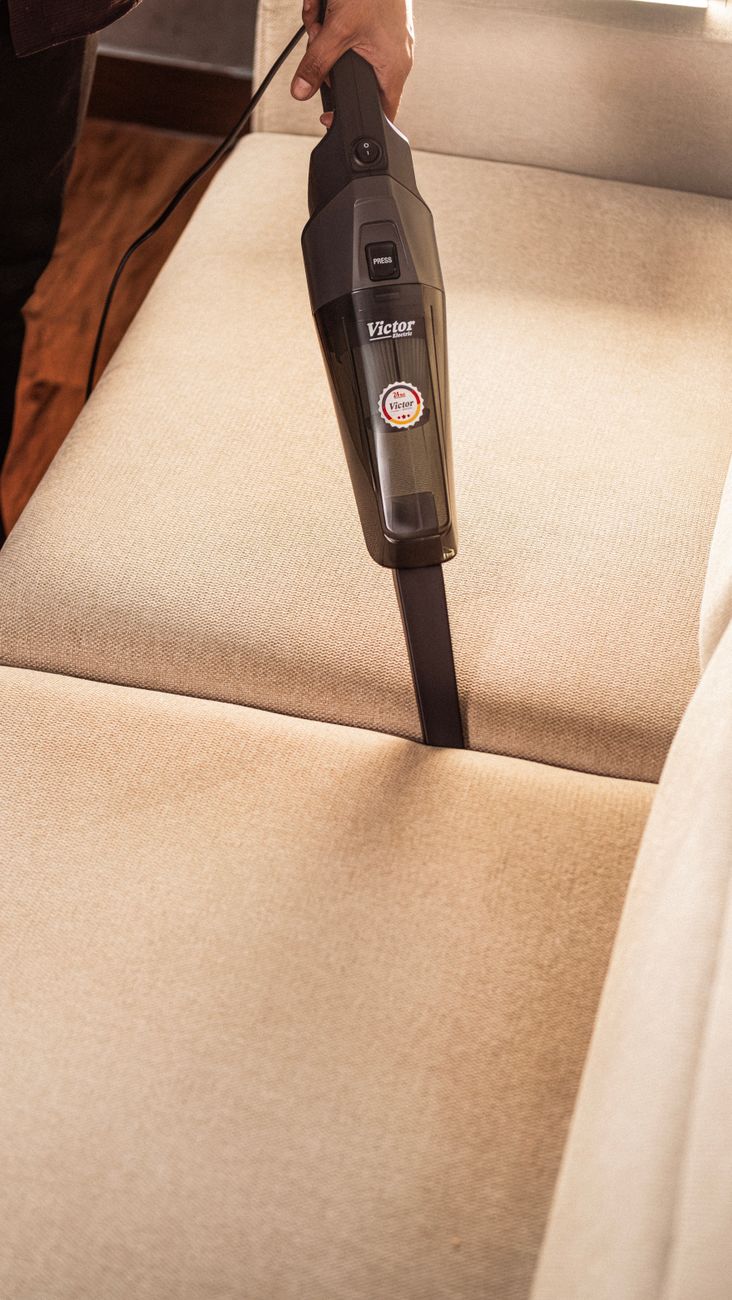
“Your baseboards look clean,” my sister said, running one finger along the top of the door trim. The finger came back grey.
That is the thing about dust. The rooms that look tidy are usually the ones with the most of it sitting in places your eye skips over.
The attachment nobody uses
Most vacuums ship with a crevice tool and a brush tool, and most of them live in a bag in a closet forever. The brush attachment is the one that matters for dust.
Bare plastic nozzles slide over dust on hard surfaces and leave a film behind. The brush lifts it up and the airflow grabs it. On wood, on trim, on lamp shades, the difference is immediate.
Try it on top of a door frame once. You will be appalled and then you will do every door frame in the house.
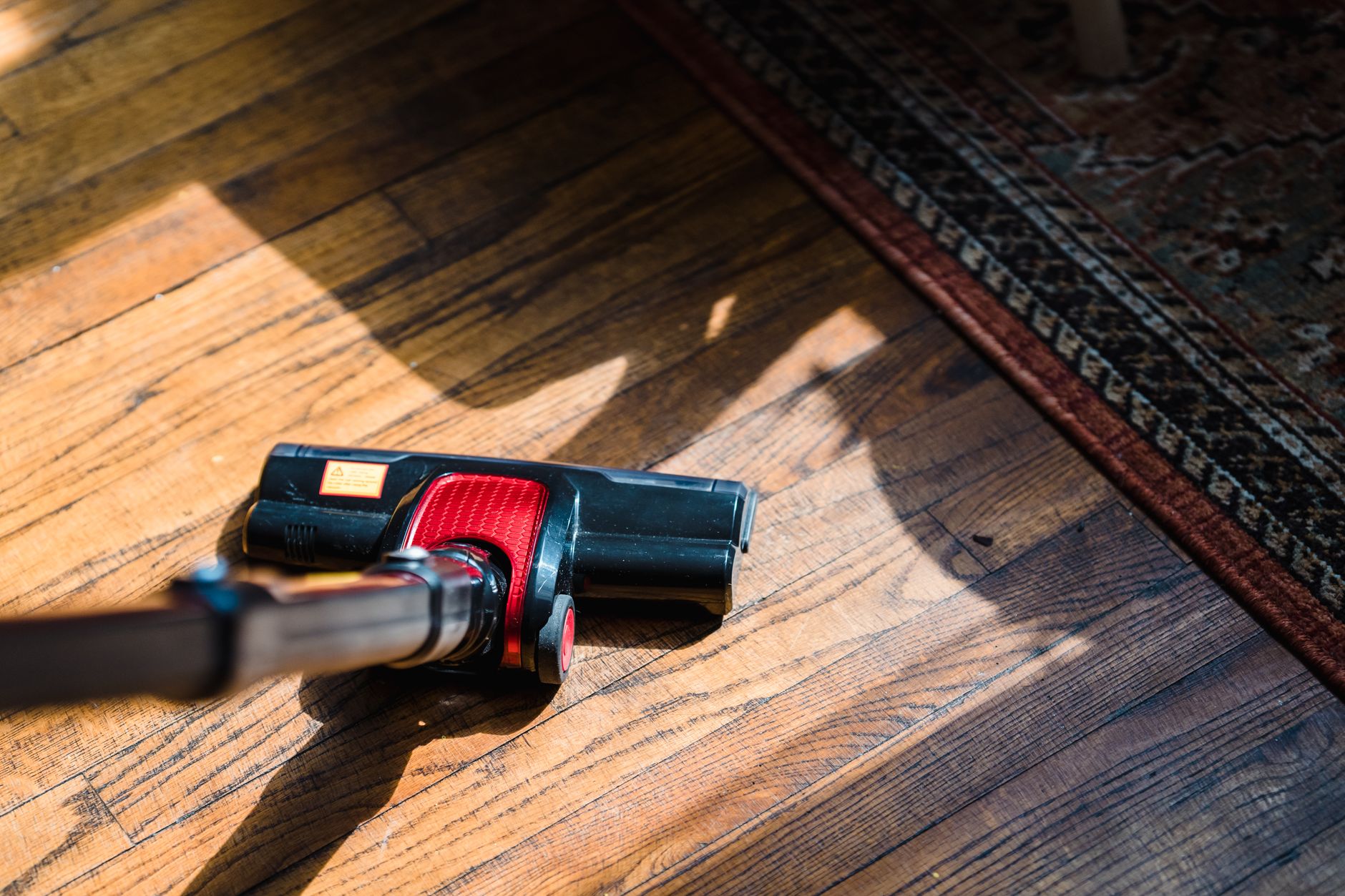
The five places nobody checks
- Top of door frames and trim. Height hides dust better than any other variable.
- Behind the fridge coil area. Warm air pulls dust in and holds it.
- Lamp shades and ceiling fan blades. Dust cooks onto the surface and stains it.
- Vents and return grilles. Clogged dust here costs you money on heating.
- Under the bed frame rails, not just the floor beneath.
Why the brush beats a cloth
A dry cloth moves dust around. It picks some up and pushes the rest into the air, where it settles again 20 minutes later on the same surface you just wiped.
A vacuum captures it and removes it from the room. That is the entire difference.
Do the trim and the vents every couple of months. The air in the house feels different, though it is hard to explain until you notice you are not sneezing on Sunday mornings anymore.
📋 Quick Summary: Put the brush attachment on your vacuum and run it along door trim, lamp shades, and vents. It lifts the dust your eye skips and takes it out of the room.