Fall Asleep Faster Without Melatonin — What Actually Worked for Me
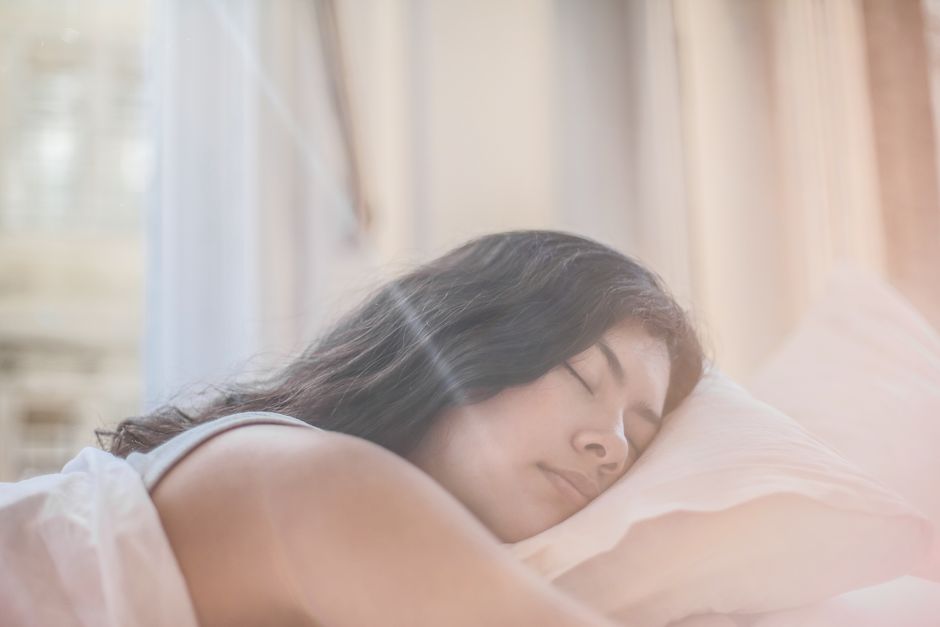
I used to take melatonin every night. 3mg, then 5mg, then 10mg when 5 stopped working. The weird thing about melatonin is that it is not a sedative — it is a signal. It tells your brain “nighttime is happening now,” but it does not actually make you sleepy. So you lie there, chemically signaled but mentally wide awake, which is somehow more frustrating than just being tired.
I stopped taking it six months ago. Here is what replaced it.
The Temperature Trick
Your body needs to drop its core temperature by about 1-2 degrees Fahrenheit to initiate sleep. This is not optional — it is biology. A warm room fights this process. The ideal bedroom temperature for sleep is 65-68°F. Colder than you think. I set my thermostat to 66°F at night and the difference was not subtle.
A warm shower 90 minutes before bed helps too. The hot water brings blood to your skin, and when you step out, that blood radiates heat away from your core — dropping your internal temperature faster than the room alone can.
The 4-7-8 Breathing Method
Inhale through your nose for 4 seconds. Hold for 7 seconds. Exhale slowly through your mouth for 8 seconds. The extended exhale activates your parasympathetic nervous system — the “rest and digest” mode that counters stress. I was skeptical. It works. I do 4 cycles and I am usually out before finishing the fourth.
The Non-Negotiable Wind-Down
No screens for 30 minutes before bed. I know. Everyone says this. But I actually measured it — the nights I scroll in bed take an average of 35 minutes longer to fall asleep. The nights I read a physical book take under 10 minutes. The data does not lie.

📋 Quick Summary: Set bedroom to 65-68°F, try 4-7-8 breathing (inhale 4s, hold 7s, exhale 8s), drop screens 30 minutes before bed. All free, all backed by biology, all more effective than melatonin.