Get Your Humidifier Ready for Winter Without Growing Mold
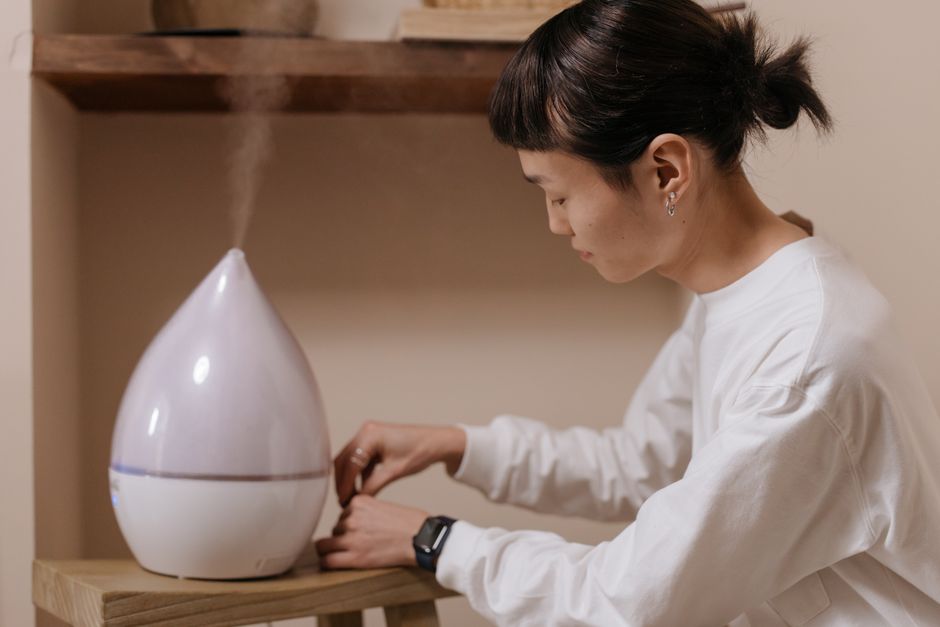
You know that smell when you first turn on the humidifier in November? That slightly musty, vaguely swampy odor? That is mold. You are breathing mold.
I did not realize this for years. I would just pull the humidifier out of the closet, fill it with water, and turn it on. The smell would fade after a few hours, so I assumed it was fine. It was not fine. I was basically running a mold diffuser in my bedroom.
Why Humidifiers Get Gross
Water sits in a tank. It is dark. It is room temperature. That is mold’s dream environment. Even if you empty it between uses, the residual moisture in the filter and crevices is enough for spores to colonize. By the time you see pink or black spots, it has been growing for weeks.
The Pre-Season Deep Clean
- Disassemble everything that comes apart. Tank, cap, filter housing, nozzle. If it twists off, take it off.
- White vinegar soak. Fill the tank halfway with white vinegar, close it, shake vigorously, and let it sit for 30 minutes. Vinegar kills mold and dissolves mineral scale.
- Scrub the crevices. An old toothbrush reaches the threads where the cap screws on and the edges of the tank opening — these are mold hot spots.
- Replace the filter. If your humidifier uses a wick filter and it has any discoloration or odor, swap it. Filters cost maybe $12. Lung infections cost more.
- Rinse thoroughly. Three rinses minimum. You do not want vinegar-scented air.

Daily Use Habits
Use distilled water if you can. Tap water minerals build up as white dust on surfaces and as crust inside the machine. Empty and dry the tank every morning — do not let water sit. Once a week, do a quick vinegar rinse.
📋 Quick Summary: Deep clean with vinegar before first winter use, replace old filters, use distilled water, empty and dry daily. Your humidifier should not smell like anything.