The Egg Test That Tells You If It Is Safe to Eat Before Cracking
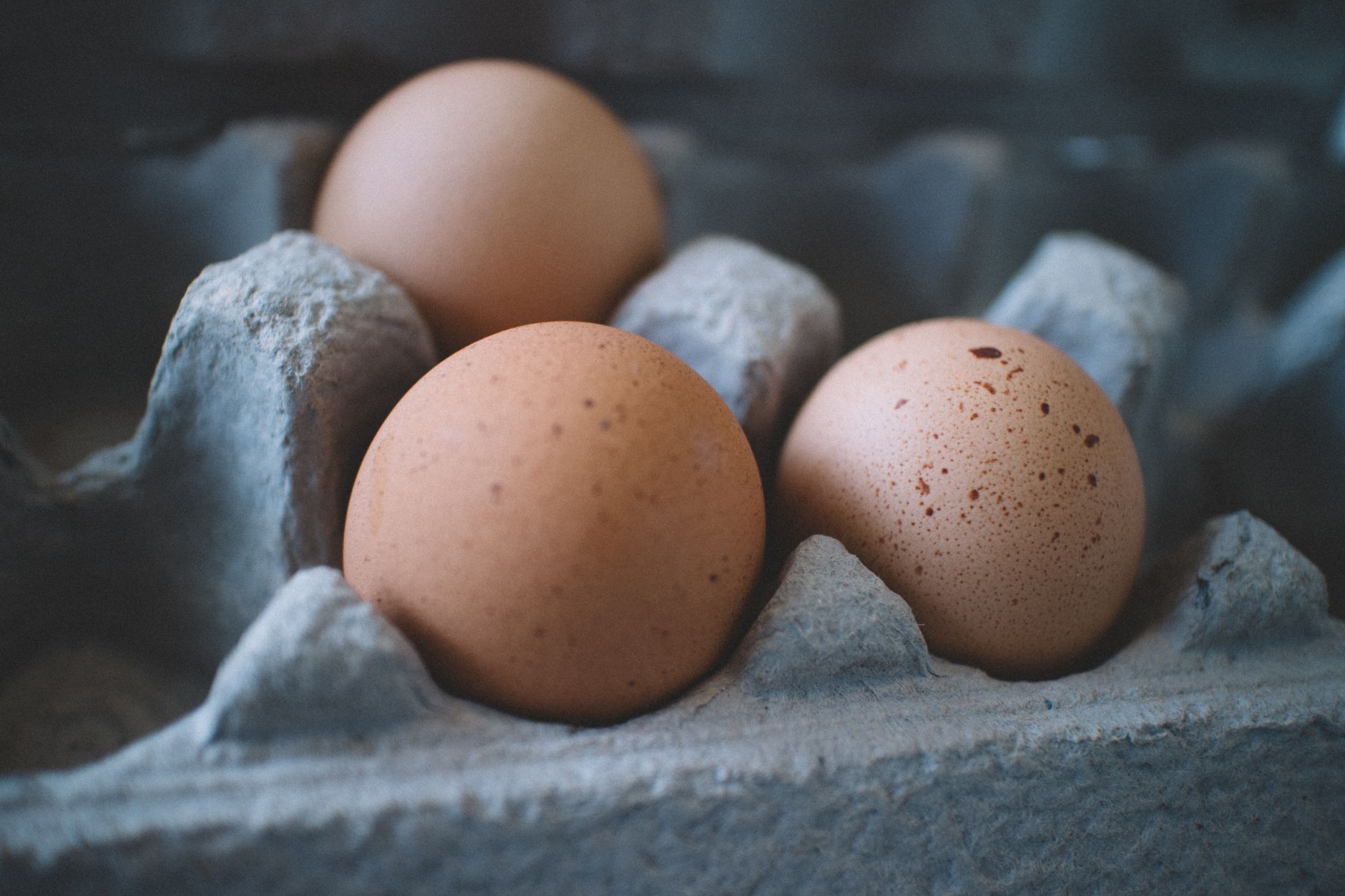
My grandmother tested eggs in a glass of water before she would use them, and I thought it was an old wives tale until the day I cracked a bad egg into a bowl of pancake batter. Now I do the float test every single time I am not sure about a carton.
How the float test works
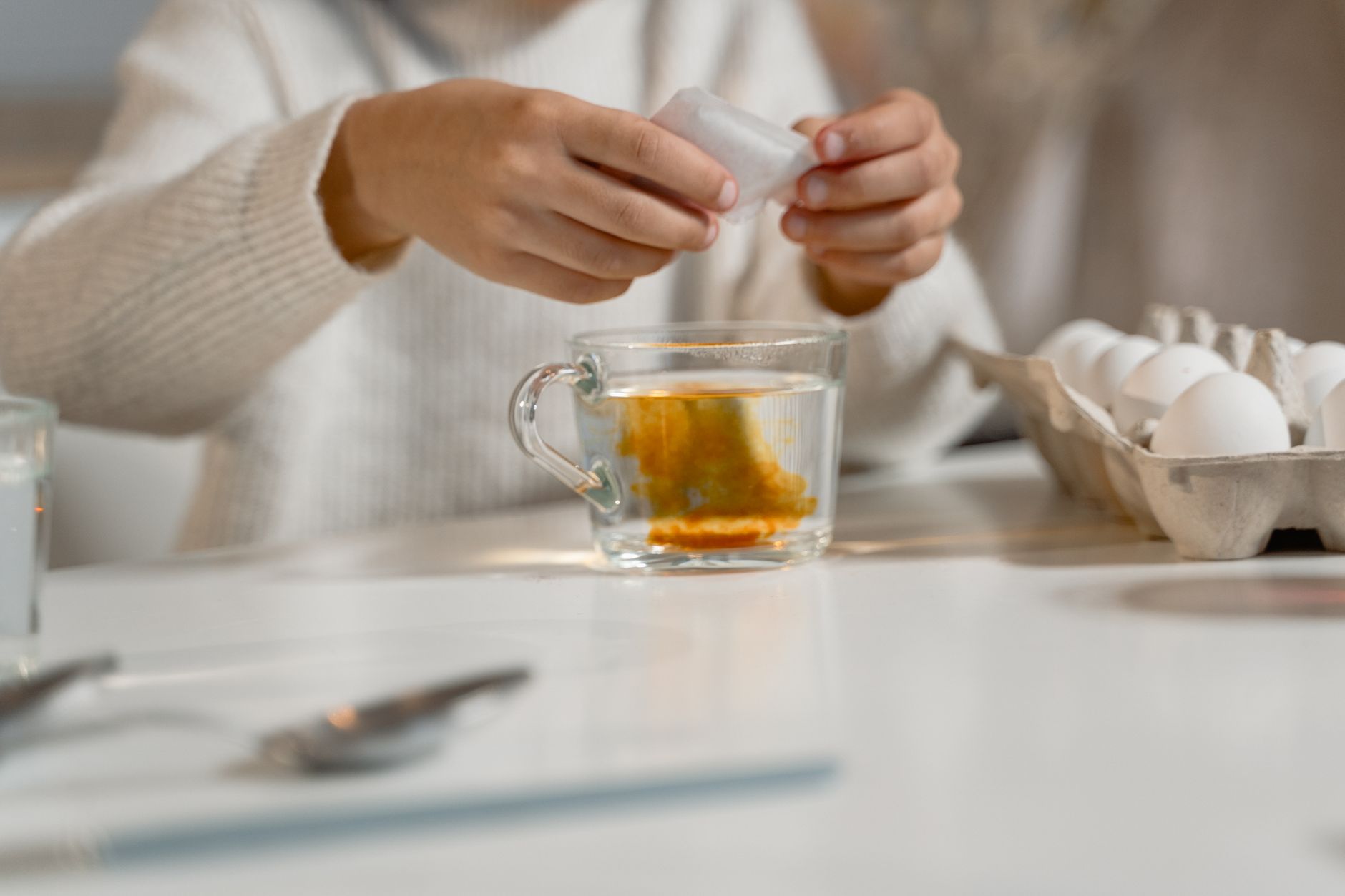
Fill a bowl or glass with cold water and gently lower the egg in:
- It sinks and lies flat: very fresh. Use it any way you like.
- It sinks but stands on one end: still fine, but use it soon or cook it well.
- It floats: do not use it. The air pocket inside has grown as the egg aged, and floating is a sign it is past its best.
That floating egg goes in the trash. When I ignored the test once, I got an egg that smelled like a swamp the moment I cracked it.
The limits of the test
The float test tells you about age and general condition, but a bad egg can still hide inside a shell that sinks. Trust your nose after cracking: a fresh egg barely smells like anything, and a spoiled one is unmistakable.
Here is the rest of my routine:
- Keep eggs in the main part of the fridge, not the door where the temperature swings.
- Write the purchase date on the carton with a marker so I stop guessing.
- When a recipe uses raw or lightly cooked eggs, I use the freshest carton I can find.
A note on the dates
The sell by date is about the store, not your kitchen. Eggs often stay good for three to five weeks after you bring them home when they stay refrigerated. The float test plus a sniff check beats any printed date.
My grandmother did not know the science, but she knew the water trick worked. Thirty years later I finally believe her.
📋 Quick Summary: Test eggs in a bowl of cold water: flat on the bottom means fresh, standing on end means use it soon, and floating means toss it. Trust your nose after cracking.