How to Seal Gaps Around Doors and Windows to Save Energy
I used to think high heating bills were just the price of living in an older house. Then I borrowed a thermal camera from a friend and pointed it at my windows on a cold night. The frames lit up blue with cold air pouring in through gaps I could barely see. Sealing those gaps turned out to be a weekend project with a fast payback.
Find the leaks first
Do not seal blindly. On a windy day, run your hand along window and door frames and feel for the cold spots. A lit incense stick or candle also works, the smoke bends where air moves. Focus on the seams: where the window frame meets the wall, where the door frame meets the wall, and the gap between the window sash and the frame. Most leaks are in those joints, not through the glass or the door itself.
Caulk the stationary gaps
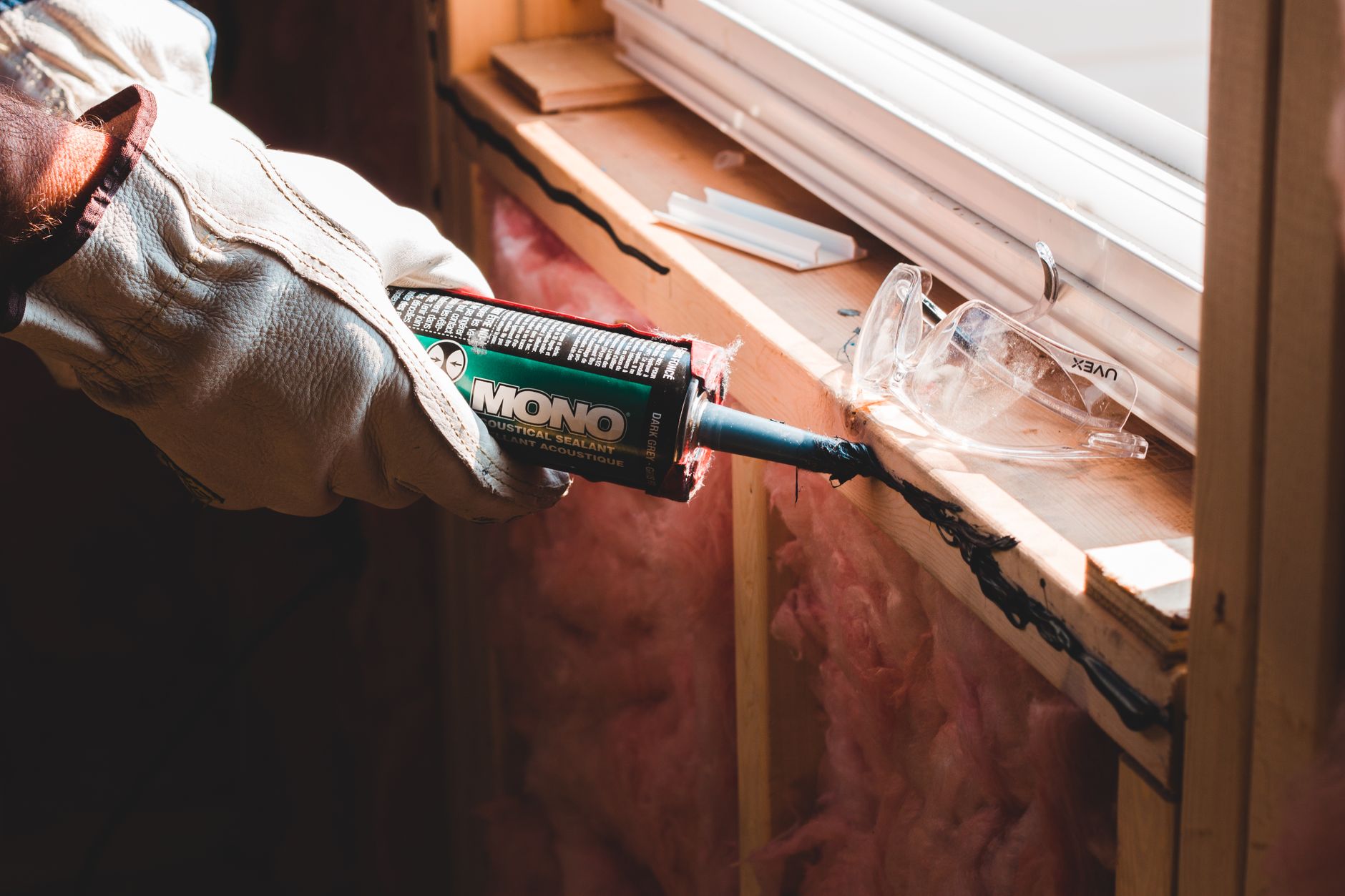
For gaps that never move, like the joint between the window frame and the wall, caulk is the fix. Use a paintable acrylic latex caulk for interior gaps and a silicone or exterior grade caulk outside. Cut the tube tip at an angle, load the caulk gun, and run a steady bead along the seam. Smooth it with a wet finger. Let it dry and paint over it if you want a clean look. This is the highest value DIY energy job in most homes.
Weather strip the moving parts
Doors and windows that open need weather stripping, not caulk. Adhesive foam tape is the easiest option for beginners. Clean the surface, peel the backing, and press the tape along the stop where the door or window closes against the frame. The tape compresses when closed and blocks the draft. For doors with a bigger gap, a metal or vinyl door sweep on the bottom edge works better than tape alone.
Check the little leaks too
The big gaps get all the attention, but small ones add up. Electrical outlets on exterior walls leak air through the drywall. Foam outlet gaskets cost pennies and install in seconds behind the cover plate. The gap under an exterior door can be sealed with a draft stopper or a sweep. Even the mail slot and the dog door deserve a check. Each one is small, but a house full of small leaks is a big leak.
What this saves in real numbers
Sealing air leaks is one of the most cost effective energy upgrades there is. Depending on your home, drafts can account for a surprising share of heating and cooling loss. My own project covered three windows, two doors, and a handful of outlets. The house felt immediately more stable and the next heating season came in lower. Materials cost me about thirty dollars and most of it was done in a single afternoon.
- Caulk stationary joints between frames and walls.
- Add weather stripping to doors and windows that open.
- Install foam gaskets behind outlet and switch plates on exterior walls.
- Seal the bottom of exterior doors with a sweep or draft stopper.
Your house is probably leaking more air than you think. An afternoon with caulk and weather stripping pays for itself quickly, and you will feel the difference the next time the wind blows.
📋 Quick Summary: Find leaks with your hand or a candle, caulk stationary joints, add weather stripping to movable parts, and seal outlets and door bottoms to stop drafts.