The Budget Bread Maker That Earned Its Counter Space
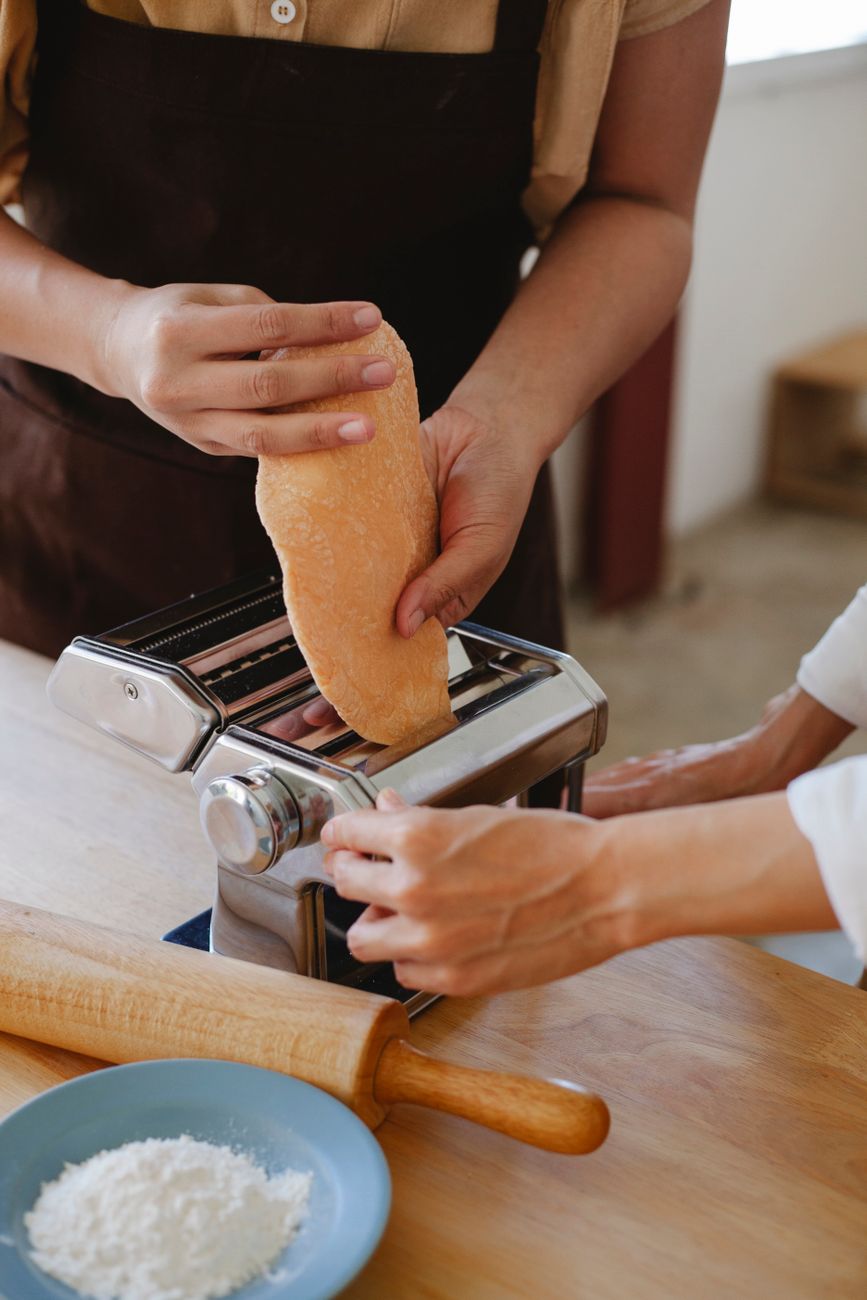
I bought a bread maker on a whim during a sale, mostly because the price was too good to pass up. Then it sat in the corner of my kitchen for two months while I made excuses. It seemed like one of those appliances you use twice and never touch again, like the waffle iron I gave away.
Then the power went out during a snowstorm and I remembered the machine can knead dough even when the mixer is useless. That was the week it earned its spot.
What It Costs and What You Get
The machine I bought was about seventy dollars, on the budget end of the range. It makes a one and a half pound loaf with a push of a button, and it also kneads pizza dough, pasta dough, and cinnamon roll dough. The kneading function alone is worth the price.
Where It Wins
The convenience is the real product. You dump in flour, water, yeast, and salt, press start, and walk away. Four hours later there is a hot loaf. No babysitting, no flour explosion across the kitchen, no learning curve.
The bread is good. It is not artisan bakery good, but it is better than most store loaves, and it costs about a dollar in ingredients.
Where It Loses
Honest complaints after a year:
- The crust comes out thick and a little tough on the basic setting
- The loaf shape is tall and square, not the classic rounded loaf
- It takes up a real chunk of counter space
The counter space was my biggest worry, and it turned out to be a non-issue once I was using it twice a week.
Who Should Buy One
If you like fresh bread but do not want to learn to bake, this is the appliance. If you are already a confident bread baker with a mixer, you probably do not need it. I was in the first camp, and mine has paid for itself many times over in avoided bakery runs.
The snowstorm dough saved my sanity, and the machine has been earning its counter space ever since.
📋 Quick Summary: A budget bread maker earns its spot by making fresh loaves and kneading dough with zero babysitting, as long as you accept a square loaf.