The Right Way to Store Your Garden Hose for Winter
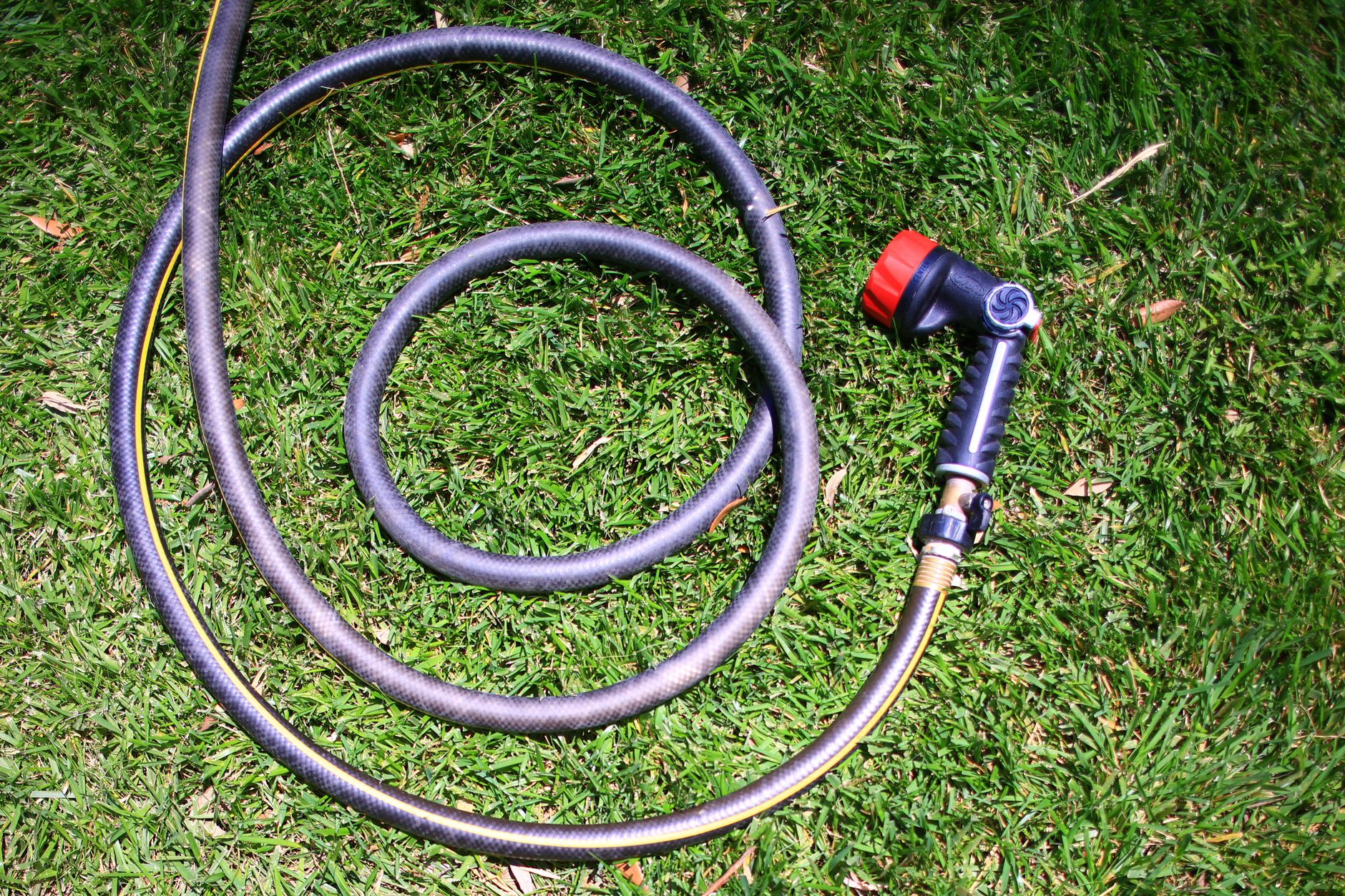
I killed my first garden hose the dumb way. I left it hooked up over winter, water still inside, and when spring came the hose had a split down the middle like a cheap sausage.
Water expands when it freezes. Any water left in the hose, or in the faucet it is attached to, turns to ice and cracks things. Here is how to avoid the whole mess.
Disconnect Everything
The first step is the one people skip. Unscrew the hose from the faucet, not just from the sprinkler. If the hose stays connected, ice can crack the faucet or the pipe behind it, which is a much bigger repair than a split hose.
Drain the Water Out
Hold one end up and walk the length of the hose until the water runs out. Coil it as you go. For stubborn water, lift the middle of the hose into a loop so both ends point down, then let gravity do the work.
Coil It Loose and Store It Dry
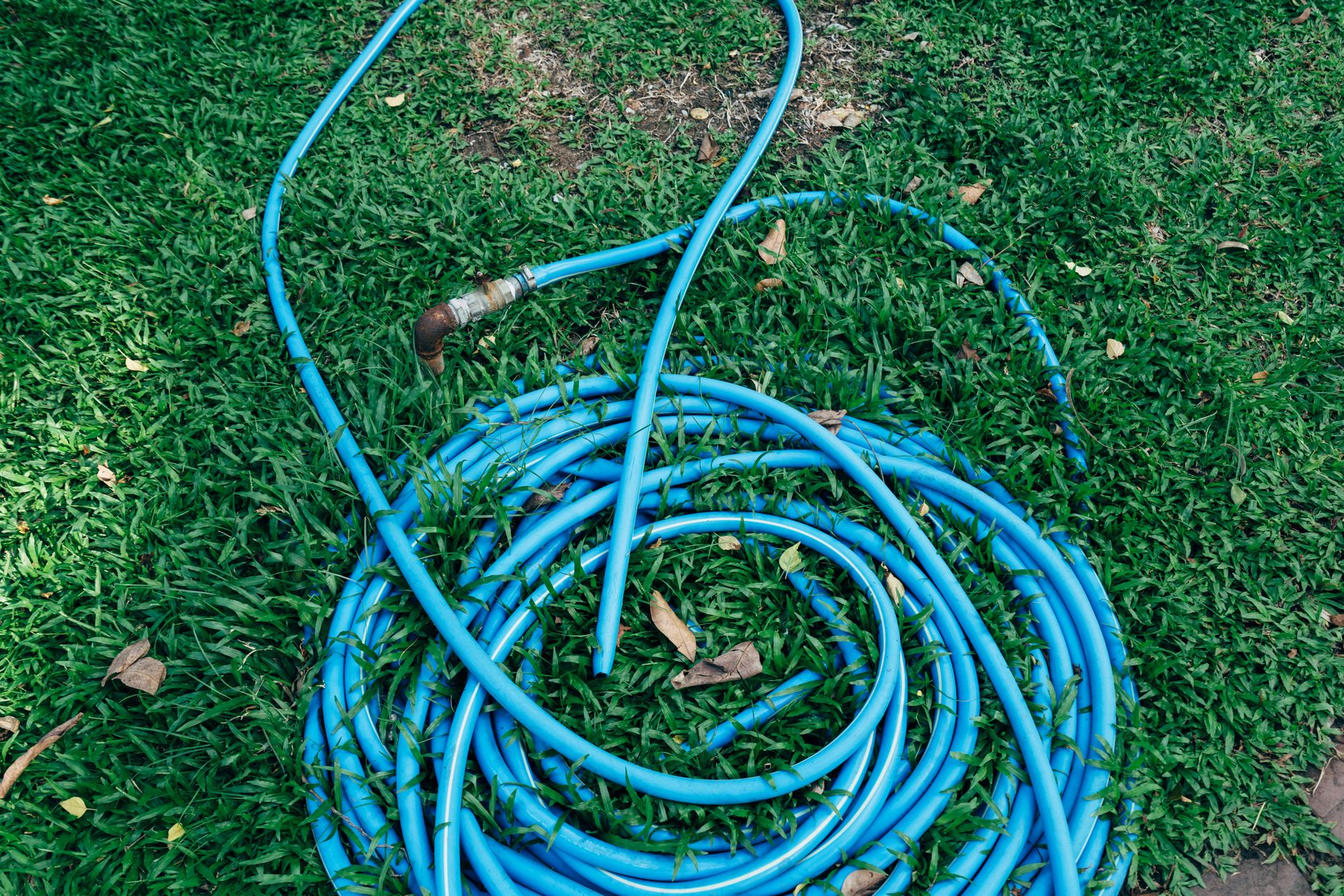
Coil the hose in large loops, not tight ones. Tight coils crack the rubber over winter. Store it in a garage, shed, or basement where it stays above freezing. If it has to live outside, coil it on a hose hanger off the ground and cover the ends so bugs do not move in.
Close the Faucet Shut-Off Valve
If your outdoor faucet has a shut-off valve inside the house, close it and open the outside faucet to drain the pipe. Leave the outside faucet open over winter so any leftover water can escape instead of freezing. Some folks add an insulated faucet cover on top for extra protection.
Ten minutes in November saves a trip to the hardware store in April. My current hose is on its fourth year and still in one piece.
📋 Quick Summary: Disconnect the hose, drain all water, coil it loosely, and store it above freezing. Close the indoor shut-off valve if you have one.