The Cast Iron Skillet That Replaced My Nonstick Pans
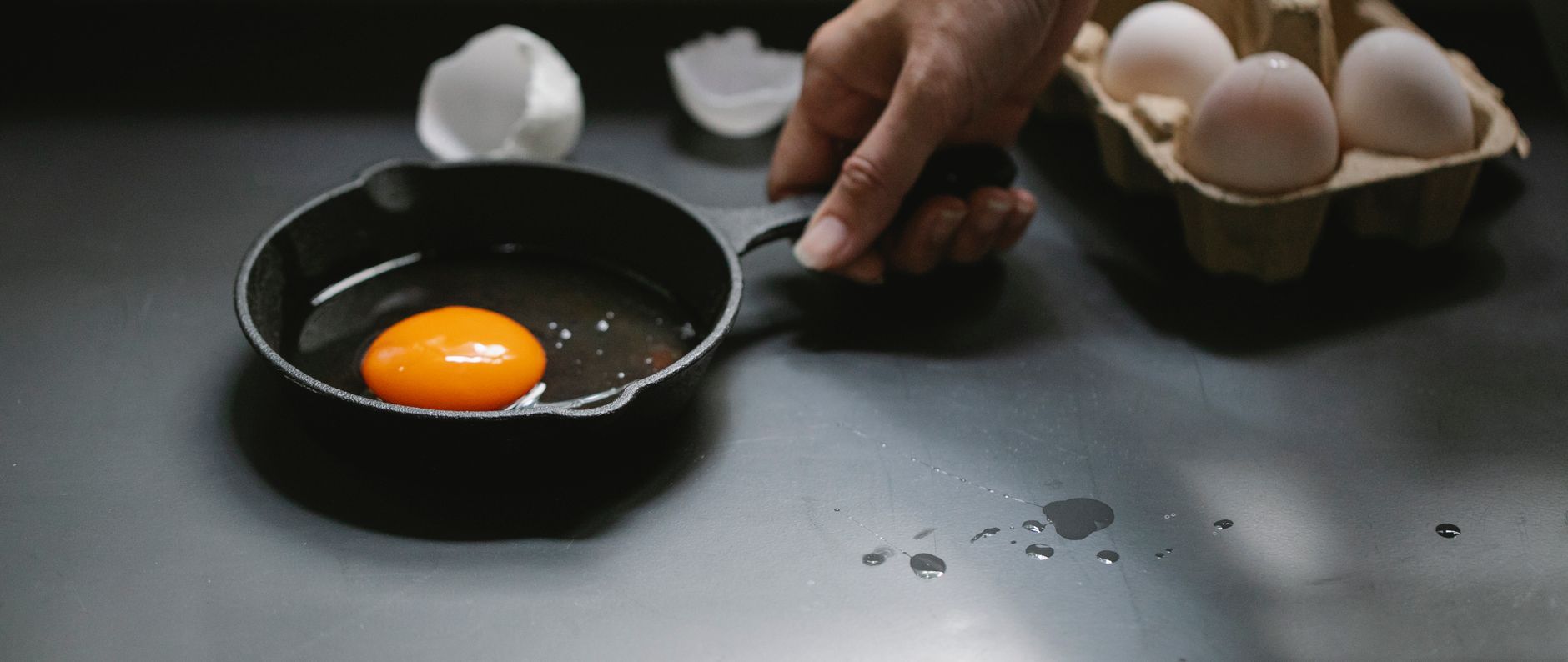
My nonstick pans flaked into my food one too many times. A fleck of coating in the eggs was the last straw, and I started researching cast iron. I bought one, and it replaced every pan in my cabinet.
I expected a finicky pan that needed constant care. What I got was the most forgiving pan I have ever owned.
Why cast iron wins
It heats evenly, sears better, and lasts for generations. Nonstick coatings wear out in a couple of years. My cast iron skillet gets better with use, and it was cheaper than the nonstick pan it replaced.
The learning curve is short
The first week, eggs stuck and I panicked. Then I learned the two rules: heat it slowly and use enough fat. Once the pan is hot and oiled, food releases on its own. It took me three tries, not three months.
Cleaning is easier than people say
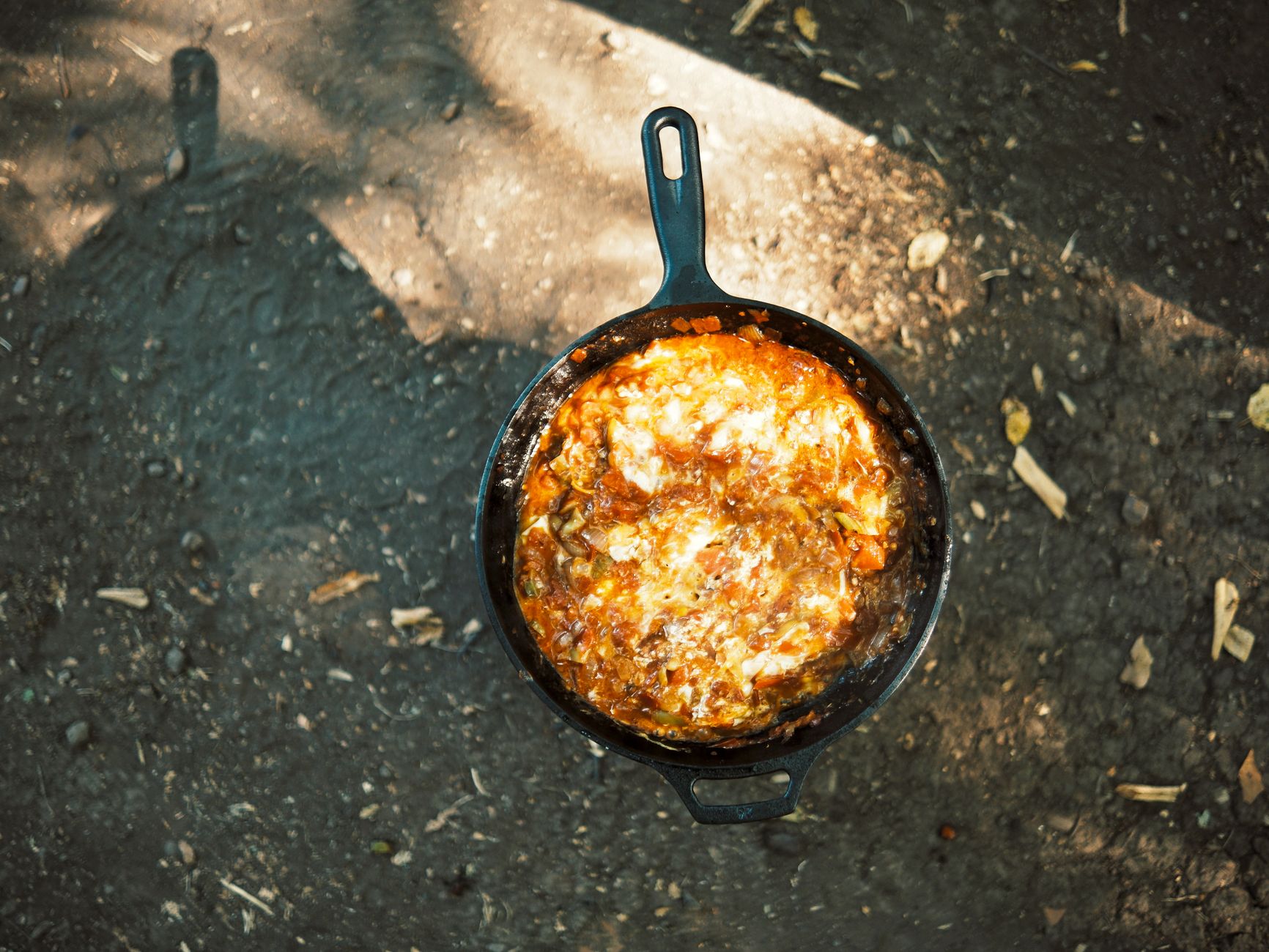
You do not need to baby it. Scrape it clean, rinse with hot water, and dry it on the stove. A tiny dab of oil wiped on keeps the seasoning strong. Soap is fine in small amounts, the seasoning does not wash off that easily.
What I cook in it
Steaks, eggs, cornbread, fried rice, and the best grilled cheese of my life. It goes from stovetop to oven, which is how you finish a steak or bake a skillet cookie. No other pan in my kitchen can do that.
The honest downsides
It is heavy, and it takes a few minutes to heat up. It needs a little planning, not a blast of high heat like nonstick. And it rusts if you leave it wet, so dry it after washing.
Who should get one
If you cook regularly and want one pan for life, get one. If you only cook eggs once a week, a nonstick is fine. For me, the cast iron skillet is the only pan I reach for now.
My nonstick pans live in the back of the cabinet, used only when the cast iron is in the oven. The skillet has earned the front spot.
📋 Quick Summary: Cast iron sears better and lasts for life, but needs slow heating, enough fat, and drying after wash.