I Scrubbed a Burnt Pan for 45 Minutes Before Learning This Baking Soda Trick

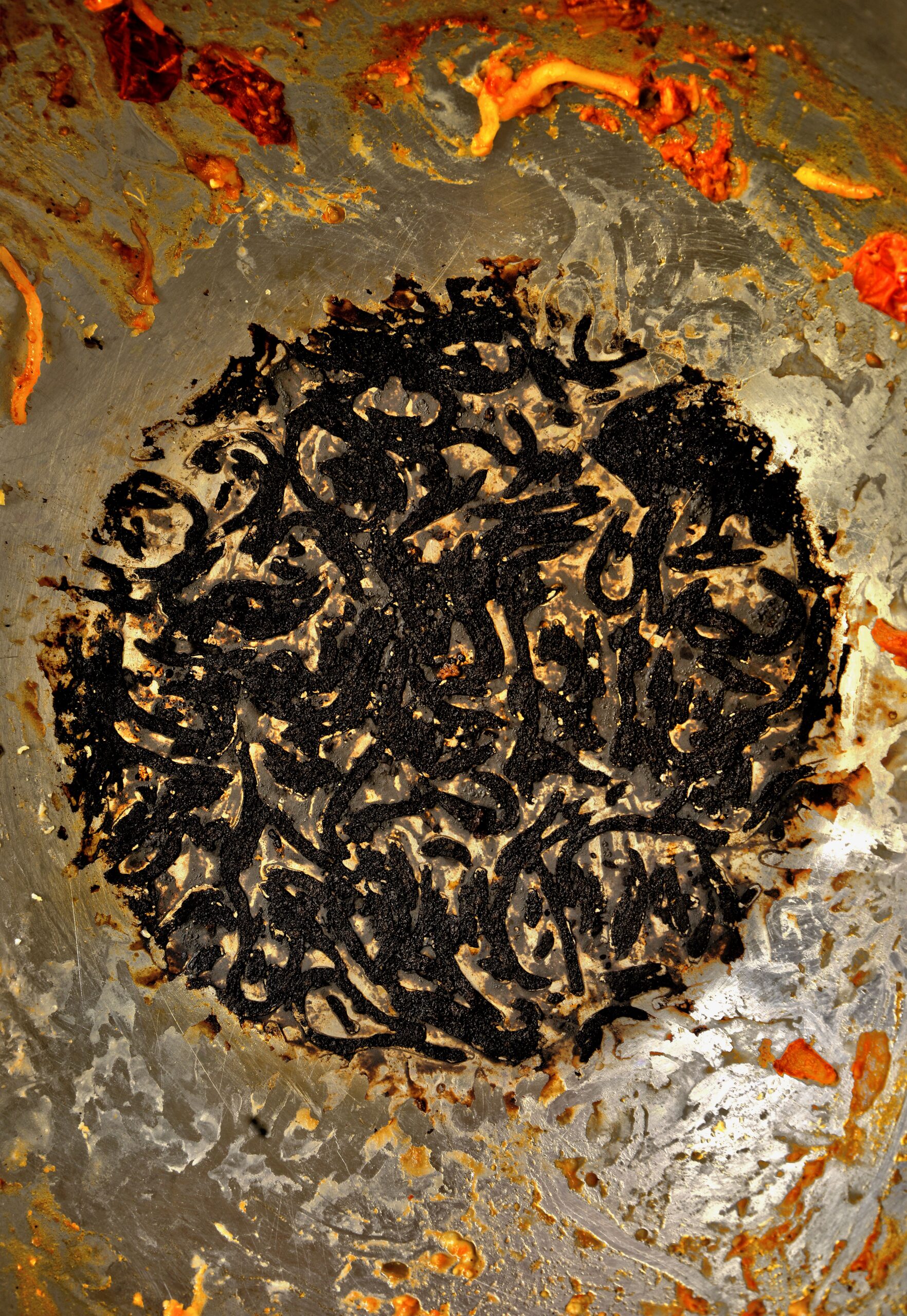
I once spent forty-five minutes scrubbing a burnt pan. The pan was a stainless steel skillet I had used to sear a steak, and in my enthusiasm for a good crust, I had let the oil smoke, polymerize, and bond to the pan surface in a black, carbonized layer that was essentially industrial-grade varnish. I tried hot water, dish soap, a scrub sponge, a scrub brush, steel wool, and finally a butter knife, which I used to chip at the blackened layer like an archaeologist excavating a fossil. The knife scratched the pan. My thumb developed a blister from the scrubbing motion. At the end of forty-five minutes, the pan was still not clean, and my evening was ruined.
Understanding the Problem
📸 Photo by Moussa Idrissi on Pexels
The solution, which I learned later from a cooking forum at two in the morning, is so simple that I was genuinely angry I hadn’t known it sooner. Fill the burnt pan with enough water to cover the burnt area. Add about a quarter cup of baking soda. Bring it to a boil, then reduce the heat and let it simmer for fifteen to twenty minutes. The combination of heat, water, and the mild alkalinity of the baking soda loosens the carbonized food particles from the metal surface. After simmering, let the pan cool until it’s safe to handle, then wash it with a regular sponge and dish soap. The burnt residue will wipe off with minimal effort.
This works because baking soda, sodium bicarbonate, is a mild alkali that reacts with the acidic components of burnt food and helps break the chemical bonds that have formed between the food and the metal. It’s the same principle behind using baking soda to clean oven surfaces, but applied to stovetop cookware.
The Proven Solution
For particularly stubborn burns, I take an additional step. After the baking soda simmer, if there are still spots remaining, I make a paste of baking soda and a small amount of water, apply it directly to the spots, and scrub with a ball of crumpled aluminum foil. The foil is softer than steel wool and won’t scratch stainless steel, but it has enough texture to abrade the loosened carbon. This usually takes care of whatever the simmer missed.
For enameled cast iron, like a Le Creuset dutch oven, the method is slightly different. Boil water with baking soda as above, but instead of foil, use a non-abrasive sponge or a nylon scrub brush. Enamel can chip if you use metal on it.
The most important lesson I took from this experience, beyond the cleaning technique itself, is that burnt pans should not be scrubbed while dry. The instinct to attack a burnt pan immediately with physical force is strong but counterproductive. Heat and chemistry will almost always outperform elbow grease when it comes to cleaning cookware. I now keep a large box of baking soda next to my stove, and I have not chipped at a burnt pan with a butter knife in years.