My Refrigerator Smelled So Bad I Could Detect It from the Living Room
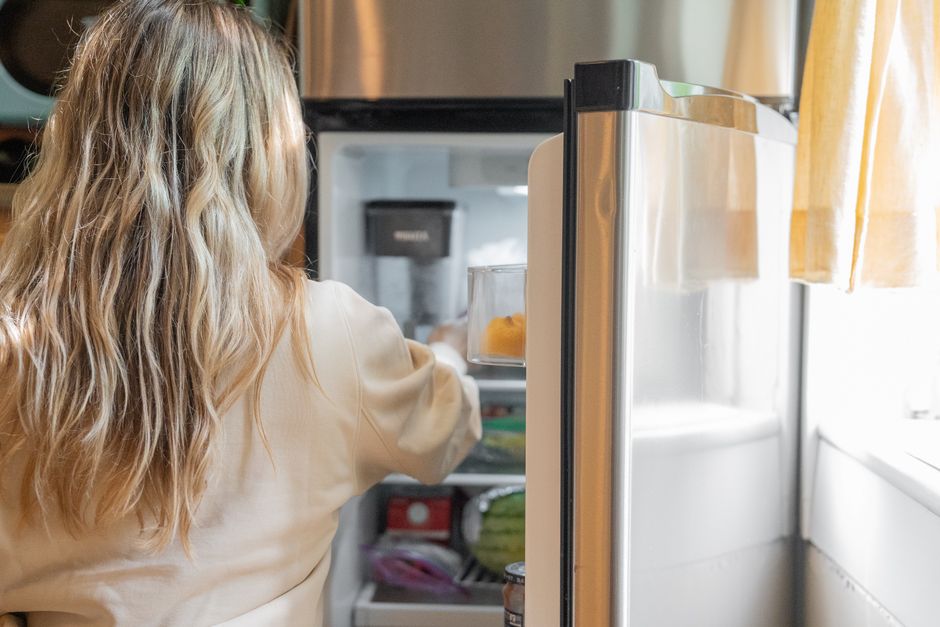
My refrigerator once developed a smell so bad that I could detect it from the living room. Not just when I opened the door. From fifteen feet away, with the door closed. The odor was a complex blend of spoiled milk, forgotten leftovers, and something deeply organic that I eventually traced to a package of chicken thighs that had slid behind the vegetable drawer and been there for what I estimated, based on the sell-by date, was six weeks.
Understanding the Problem

📸 Photo by Alex Tyson on Pexels
That smell was a wake-up call. I emptied the entire refrigerator, threw away about forty percent of what was in there, and scrubbed every surface with a baking soda paste and vinegar. But the smell didn’t go away completely. It lingered in the gasket seals, in the drip pan underneath the unit, and in the air circulation system. I spent an entire weekend deodorizing my refrigerator, and in the process, I learned more about refrigerator maintenance than I ever wanted to know.
Here is the system I now use to keep my refrigerator clean, odor-free, and functioning efficiently.
The most important maintenance item is the condenser coils. These are usually located either behind a grille at the bottom front of the refrigerator or on the back of the unit. They dissipate heat from the cooling system, and when they are coated in dust and pet hair, which they inevitably become, the refrigerator has to work harder to stay cold. That means higher electricity bills and a shorter appliance lifespan. I vacuum my coils every three months using the brush attachment on my vacuum cleaner. It takes five minutes and makes a measurable difference in how often the compressor cycles on.
The Proven Solution
The door gasket, the rubber seal around the door, is the second neglected maintenance point. Food residue and mold can grow in the folds of the gasket, which is why your refrigerator can smell even when the interior is clean. I wipe the gasket down with a cloth dipped in warm water and a small amount of dish soap once a month, making sure to get into the crevices. Twice a year, I apply a thin coat of petroleum jelly to the gasket to keep the rubber supple and ensure a tight seal. A loose gasket leaks cold air, which again forces the compressor to work harder.
The drip pan, located underneath the refrigerator, collects condensation and occasionally food spills. I didn’t know my refrigerator had a drip pan until that chicken incident forced me to investigate every possible source of odor. The pan was full of a brown liquid that I can only describe as refrigerator tea, and it smelled exactly as bad as you’re imagining. I now check and clean the drip pan every six months.
Long-Term Prevention Tips
Inside the refrigerator, I keep an open box of baking soda on the back of a shelf and replace it every three months. Baking soda is a genuine odor absorber, not an old wives’ tale, and it makes a noticeable difference in a closed environment like a refrigerator. I also line my vegetable drawers with paper towels, which absorb excess moisture and make cleaning the drawers as simple as replacing the paper.
For odor-neutralizing after a spill, nothing beats activated charcoal. I bought a small bag of activated charcoal pellets, put them in a breathable mesh pouch, and keep it in the back corner of the refrigerator. It absorbs odors more effectively than baking soda and lasts about six months before needing replacement.
My refrigerator no longer announces itself from the living room. It smells like nothing, which is exactly what a refrigerator should smell like.