I Ruined a Hundred-Dollar Pair of Jeans Because I Never Read Clothing Labels
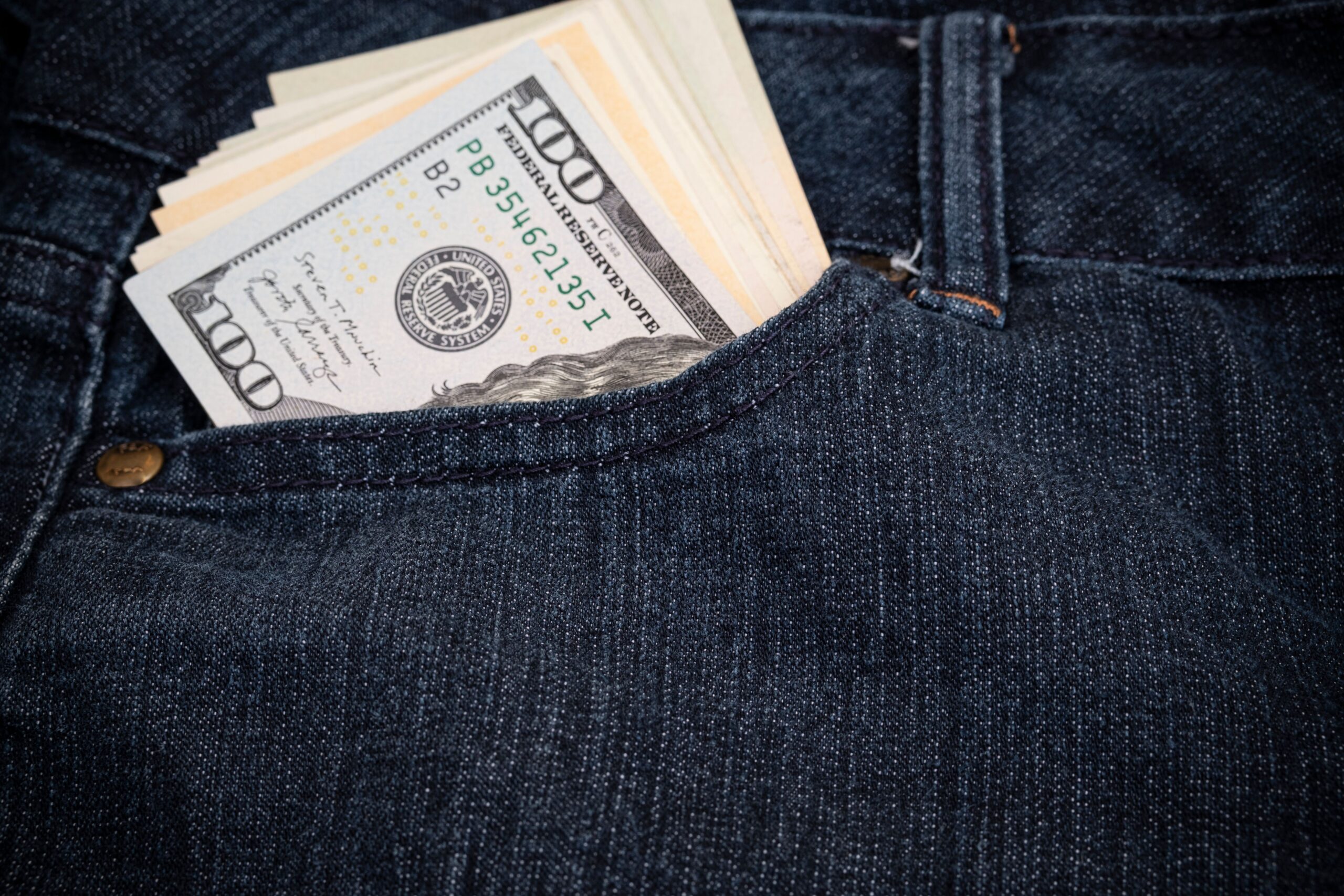
I once bought a pair of jeans that fit perfectly in the store dressing room and then never fit that way again. The first time I washed them, they shrank from a 32-inch inseam to what felt like a 29. The denim stiffened. The color faded into a mottled, streaky pattern that looked intentional in an expensive way but was actually just the result of aggressive laundering. I had ruined a hundred-dollar pair of jeans in a single wash cycle, and I didn’t understand why until I started reading the care labels on my clothes.
Understanding the Problem
📸 Photo by Саша Алалыкин on Pexels
Care labels, it turns out, are not suggestions. They are the manufacturer’s instructions for not destroying the garment you just paid for. The symbols look like hieroglyphics, and I had been ignoring them for years. A triangle means bleach. A circle means dry clean. A square means dry. An iron symbol means iron, and the dots inside indicate temperature: one dot for low, two for medium, three for high. A tub of water with a number is the maximum wash temperature in Celsius. A hand in the tub means hand wash. An X through any symbol means don’t do that thing.
Once I learned to read these symbols, I realized I had been washing approximately half my wardrobe incorrectly. Wool sweaters that should have been hand-washed in cold water and dried flat were going through the regular cycle and the dryer, which is why they had felted into doll-sized versions of their former selves. Delicate blouses that should have been in mesh bags on the gentle cycle were getting torn up in the agitator. Jeans that should have been washed inside out in cold water and air-dried were getting the hot-water, high-heat treatment.
The Proven Solution
I now sort my laundry not by color but by care requirements. Everything that needs cold water and gentle cycle goes together. Everything that can handle warm water and normal cycle goes together. Items that require air-drying get a separate pile so they don’t accidentally end up in the dryer. It adds about three minutes to the sorting process and has dramatically extended the life of my clothes.
Long-Term Prevention Tips
The dryer has been the most expensive appliance in my home, not because it costs a lot to buy, but because it has destroyed so many garments. The heat breaks down elastic. It shrinks natural fibers. It sets stains by cooking them into the fabric. I now air-dry anything I care about, which is most of my clothes. I bought a folding drying rack for twenty dollars, and it has saved me probably five hundred dollars in ruined clothing over the past few years.
For jeans specifically, they should be washed infrequently, inside out, in cold water, and never put in the dryer. Hang them by the waistband or lay them flat. The indigo dye that gives jeans their color degrades rapidly with heat and agitation. Inside-out washing protects the visible surface from abrasion.
Learning to read care labels changed my relationship with my wardrobe. I buy fewer clothes now because the ones I have last longer, and the ones I do buy still look like they did when I brought them home.