How to Childproof Cabinets Without Ruining Your Kitchen Look
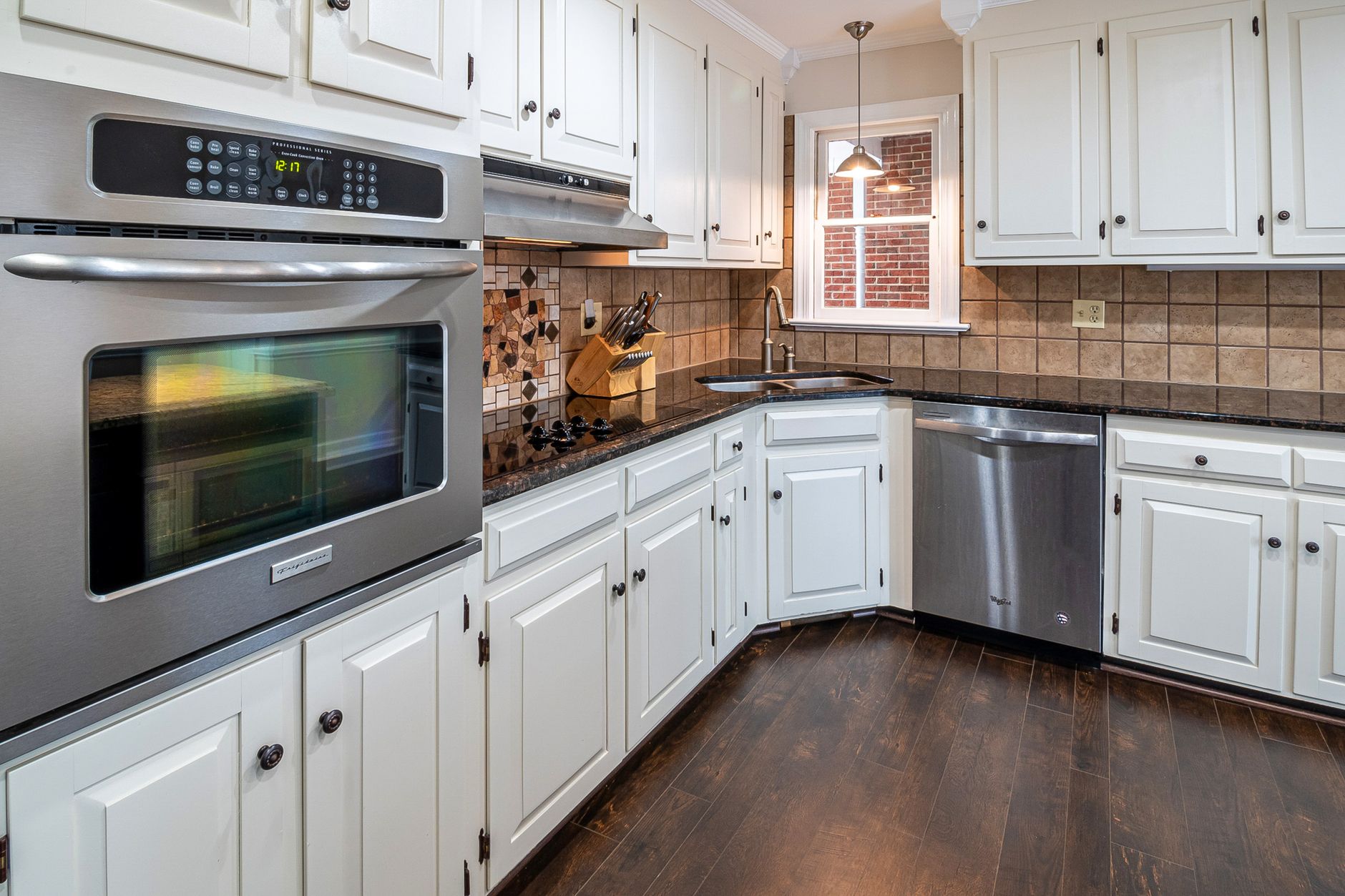
When my niece started crawling, my sister-in-law showed up at her house with those white plastic cabinet locks that stick to the outside of every door. They worked, but the kitchen looked like it was covered in medical devices. Every cabinet had a plastic clamp on it. Every. Single. One.
There are better options now. I helped her redo the whole thing with invisible magnetic locks that you cannot see from the outside. It cost about forty dollars and took an hour. No more plastic clamps. No more struggling to open cabinets as an adult. Here is what I learned.
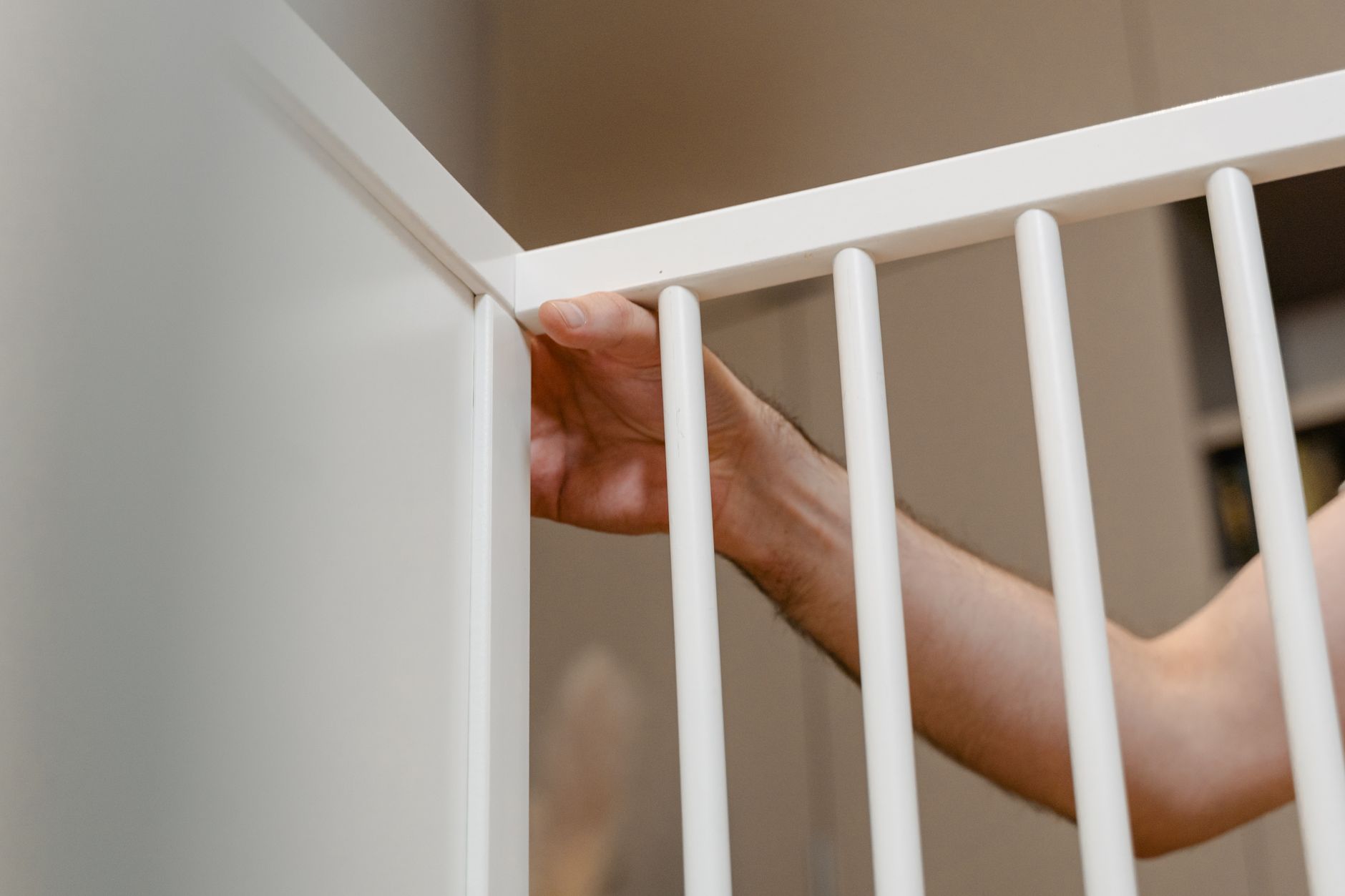
Magnetic locks (the best option for most people)
These install inside the cabinet with strong adhesive or screws. A latch mounts inside the door frame, and you open it by holding a magnetic key against the outside of the door in the right spot. From the outside, the cabinet looks completely normal. No visible lock, no adhesive residue, no plastic anything.
The key is a strong magnet that you keep on top of the fridge or stuck to the range hood. When you want to open a cabinet, you hold the key over the spot where the latch is — about two inches down from the top corner — and the latch releases. Without the key, the door opens about half an inch and stops. Enough to frustrate a toddler, not enough to get a hand in.
We installed these on the lower cabinets where cleaning supplies and sharp tools live. Ten cabinets, about thirty minutes total. The adhesive version holds fine on painted wood; if your cabinets are laminate or particle board, use the screw-in version.
Sliding latches (for drawers and side-by-side doors)
For drawers, a different kind of invisible lock: a flexible sliding latch that mounts inside the drawer front. You reach under the drawer front, press the latch, and the drawer opens. A toddler cannot reach far enough under to press the release, so it stays locked.
These also work on side-by-side cabinet doors. You loop the latch around the handles or through the gap between the doors. From the outside it just looks like a slightly thicker gap. My sister-in-law uses these on her under-sink cabinet because magnets do not grip well on the thin metal of the cabinet frame there.
What to skip
The old-school external clamps? Skip them. They work, but they are ugly and the adhesive eventually fails, leaving a sticky mess. The spring-loaded internal latches that you squeeze to release? Those pinch your fingers when you are in a hurry and after two years the spring wears out and the latch just hangs loose.
Also skip the doorknob covers for pantry doors — kids figure those out by age three and they make it annoying for adults to open doors every single time.
Where to put the magnet key
Top of the fridge is the classic spot, but if your two-year-old has figured out how to push a chair over, keep it higher. We mounted a magnetic strip inside an upper cabinet — the one above the microwave, which is already too high for a kid to reach even with a chair. The key stays there. When you need it, you open that cabinet (which does not need childproofing because it is seven feet off the ground), grab the magnet, done.
📋 Quick Summary: Magnetic interior locks are invisible, easy for adults, impossible for toddlers. Install inside cabinets with adhesive or screws. Keep the magnetic key on top of the fridge or inside a high cabinet. Skip external clamps and doorknob covers — better solutions exist.