Best Dehumidifiers for Small Apartments That Do Not Sound Like a Jet

The first dehumidifier I bought for my apartment sounded like a window air conditioner from 1997. It worked — the air felt less sticky and my bathroom stopped growing suspicious spots on the ceiling — but I couldn’t run it while I was home. The noise was that bad.
I returned it and did some research. Turns out the loudest dehumidifiers are the cheap compressor models. The quiet ones use a different technology entirely.
Compressor vs. thermoelectric (Peltier)
A compressor dehumidifier works like a mini air conditioner — it has a motor, a compressor, and refrigerant. It pulls a lot of moisture out of the air, but it’s loud. A thermoelectric dehumidifier uses a Peltier module (no moving parts except a small fan) and is nearly silent. The trade-off: thermoelectric units remove less water per day.
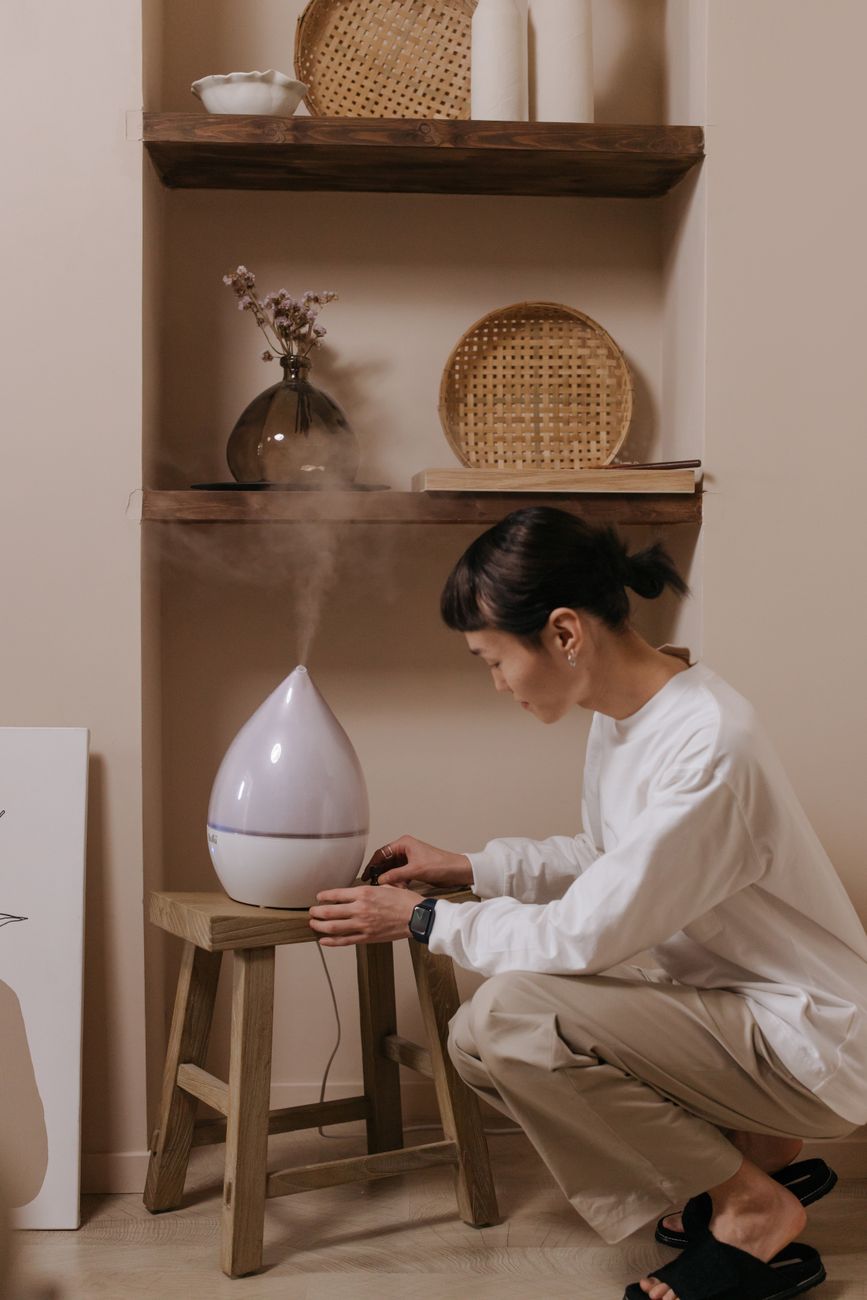
For a small apartment, a thermoelectric dehumidifier is usually the right choice. It removes enough moisture for a bedroom, bathroom, or small living space — typically 300-500 milliliters per day — and the noise level is around 30 decibels, which is quieter than a whisper. You can sleep with it running in the same room.
Three recommendations
Budget: Pro Breeze Electric Mini. About $35-40. Thermoelectric, removes about 250ml per day, whisper-quiet. Best for a small bathroom or closet. The water tank is tiny (about 500ml) so you’ll empty it daily in a damp space. Auto shut-off when full.
Mid-range: Eva-Dry E-333. About $50-60. Thermoelectric, slightly larger capacity (about 350ml per day), tank holds about 1000ml. Still quiet enough for a bedroom. Good for a small apartment living area or a damp basement corner.
For actual moisture problems: Midea 20-pint compressor. About $150-180. This one is a compressor model, so it’s louder — about 47 decibels, roughly the volume of a quiet conversation. But it removes 20 pints of water per day. If your apartment has visible condensation on windows, a musty smell, or mold issues, a thermoelectric unit won’t cut it. You need the big gun. Run it during the day when you’re out, or in a room with the door closed.
Size the dehumidifier to the problem
For a closet or small bathroom that feels damp: thermoelectric is enough. For a bedroom where you wake up feeling congested because of humidity: thermoelectric, maybe two. For visible water on windows or a musty smell throughout the apartment: compressor model, at least 20-pint capacity. Running an undersized dehumidifier just wastes electricity without solving the problem.
📋 Quick Summary: Thermoelectric dehumidifiers are nearly silent and sufficient for small spaces. Compressor dehumidifiers are louder but remove much more water — necessary for actual moisture problems. Match the dehumidifier size to the severity of the humidity: small and quiet for mild dampness, big and loud for condensation and musty smells.