The Coffee Filter Hack for Straining Broken Cork From Wine
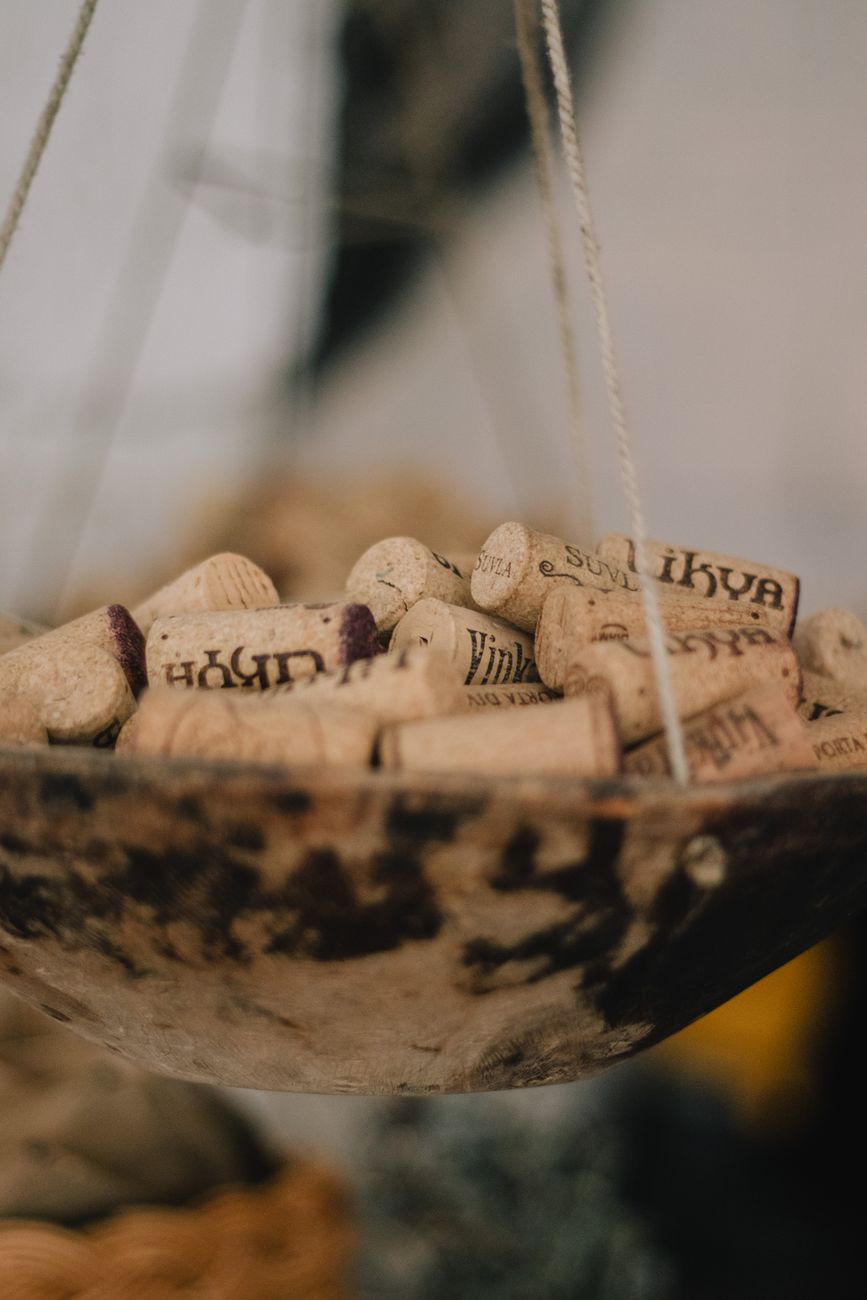
I pushed the corkscrew too deep. The cork crumbled into the bottle. Little brown specks floating in a forty-dollar bottle of cabernet. It was a dinner party. People were arriving in twenty minutes. I stared at the bottle like it had personally betrayed me.
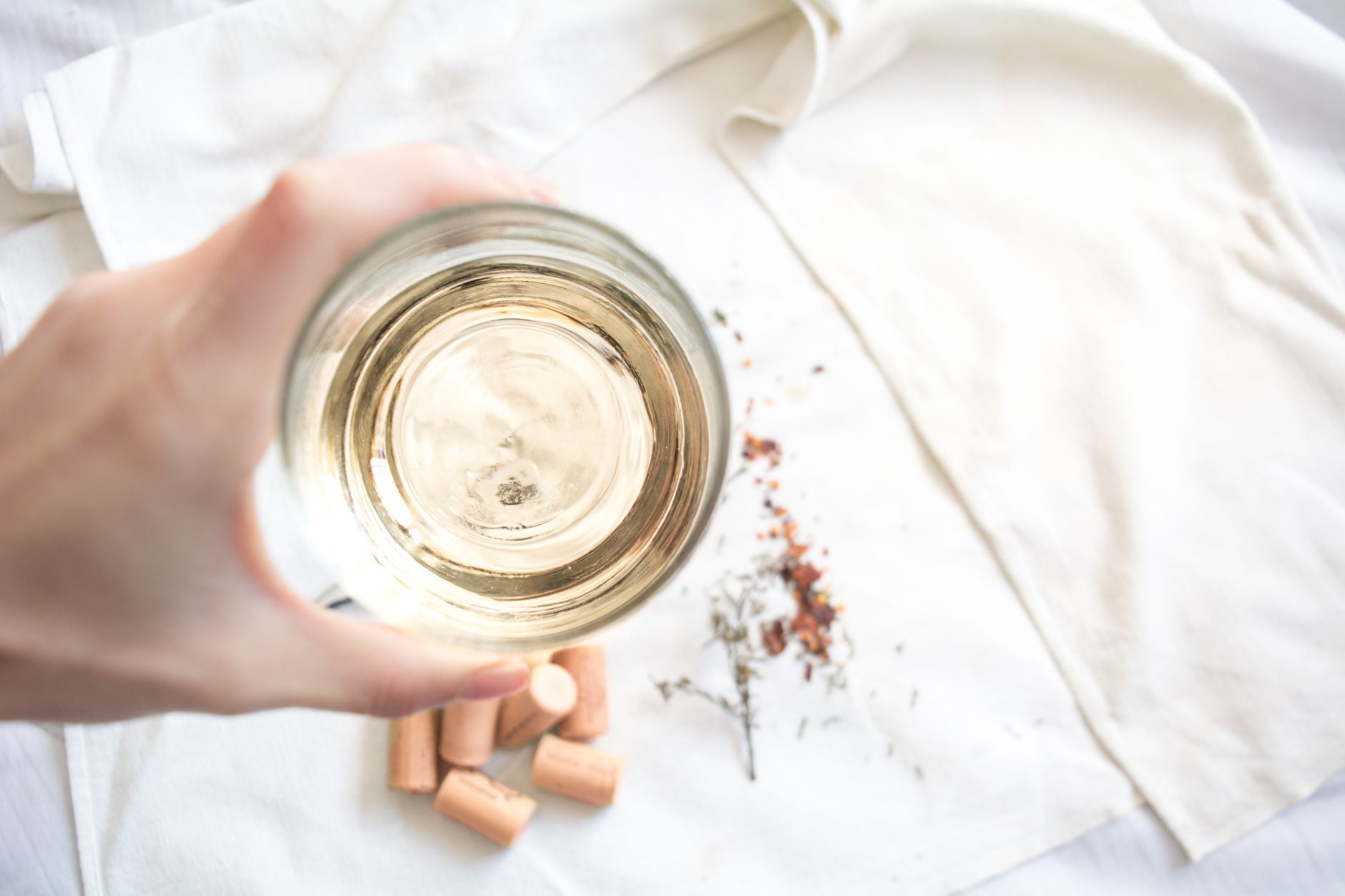
A coffee filter and a funnel saved the wine. It took two minutes. Nobody at the party knew anything had gone wrong.
Why a Coffee Filter Is Perfect for This
Coffee filters are designed to let liquid through while trapping fine particles. Cork fragments are exactly the size of coffee grounds — they float at first, then sink as they absorb wine. A coffee filter catches all of them without altering the taste of the wine.
Other strainers have problems. A fine mesh kitchen strainer lets tiny cork dust through. A paper towel leaves paper fibers in your wine and can impart a paper taste. Cheesecloth is too coarse. A coffee filter is the Goldilocks solution.
The Method
- Get a clean funnel and a standard paper coffee filter. If you do not have a funnel, cut the top off a plastic water bottle — the inverted top makes a passable funnel.
- Place the coffee filter inside the funnel.
- Position the funnel over a decanter, pitcher, or directly over a clean wine bottle.
- Pour the wine slowly through the filter. Do not dump the whole bottle at once — the filter will overflow. Pour in a steady stream.
- When you get to the bottom of the bottle, pour the last bit gently. The cork fragments have settled at the bottom. You do not want to pour the sediment all at once.
- Let the filter drain completely. Do not squeeze it — squeezing pushes cork dust through the paper.
Does This Affect the Wine
A clean, unbleached coffee filter does not affect the taste. I have done this with reds, whites, and once with an expensive bottle of Champagne that had a crumbling cork. The Champagne lost some carbonation because you are pouring and straining — the bubbles dissipate — but the taste was intact.
Wine snobs will tell you that any filtration changes the wine. They are technically correct. It removes some sediment and can slightly soften the tannins. For a forty-dollar bottle at a dinner party with broken cork floating in it, filtration is the difference between serving wine and pouring it down the drain.
📋 Quick Summary: Place a coffee filter in a funnel, pour cork-contaminated wine through slowly. The filter catches all cork fragments without affecting taste. Do not squeeze the filter. Works for red, white, and sparkling wines.