The Cash Envelope System That Fixed My Overspending Habit
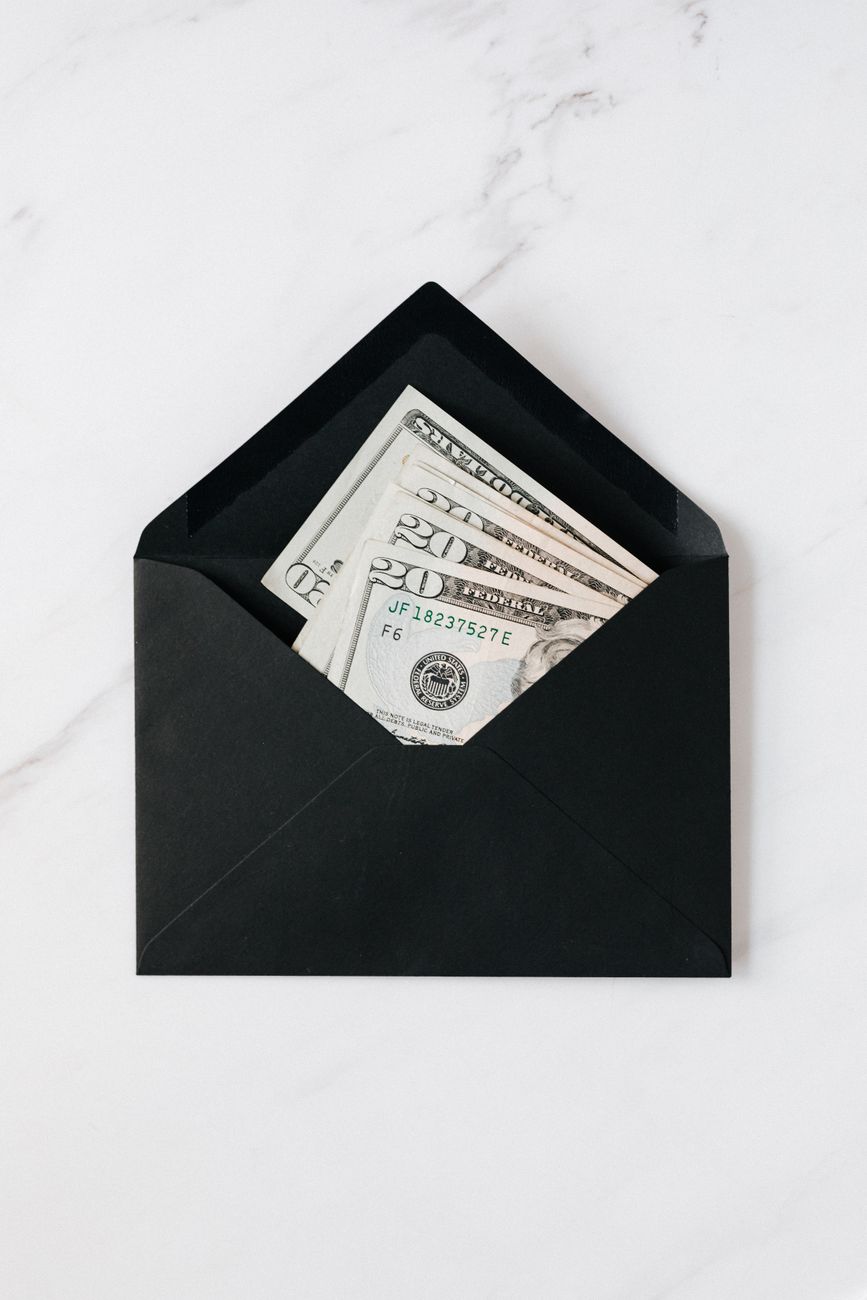
I used to check my bank balance and feel genuinely confused. Where did the money go? I made decent money. I did not buy anything extravagant. But somehow by the twentieth of every month I was transferring from savings just to cover groceries.

The cash envelope system showed me exactly where the money went. In the first month, I found $400 I had been spending on nothing. Coffee. Vending machines. Random Amazon purchases under ten dollars. The kind of spending that does not register until you hold physical cash.
How the Envelope System Works
You decide how much you can spend in each category for the month. You withdraw that amount in cash. You put the cash in labeled envelopes. When an envelope is empty, that category is done for the month.
The physical act of handing over cash feels different from swiping a card. Studies show people spend 12-18% less when using cash versus cards. Your brain registers the loss more acutely. There is a reason casinos use chips instead of cash — abstraction makes spending easier.
My Envelope Categories
- Groceries: $500/month. This is the biggest category. When it gets low, we get creative with pantry meals.
- Gas: $120/month. We do not drive much.
- Eating Out: $80/month. About two family meals or a few lunches.
- Fun Money: $40/month per adult. Coffee, apps, random purchases. Once it is gone, it is gone.
- Kids’ Activities: $60/month. Museum trips, movies, school events.
I do not put fixed bills in envelopes — rent, utilities, insurance. Those are automatic. The envelopes are for the variable spending that bleeds money without you noticing.
What to Do When an Envelope Runs Out
You stop spending in that category. You do not borrow from another envelope. The constraint is the whole point.
The first month, our eating-out envelope was empty by the fifteenth. We ate at home for the rest of the month. It was not fun but it taught us how much we were spending on convenience. By month three, the same eighty dollars lasted the whole month because we stopped grabbing takeout on impulse.
I keep a small emergency buffer in the checking account for true emergencies — a flat tire, a prescription, a school fee I forgot about. The envelope system is not designed to make your life harder. It is designed to make your spending conscious.
📋 Quick Summary: Withdraw monthly spending money as cash, divide into labeled envelopes by category. When an envelope is empty, stop spending in that category. People spend 12-18% less with cash. Focus on variable spending categories like groceries, eating out, and fun money.