Get More Juice Out of Lemons and Limes with a 15 Second Microwave Warm Up
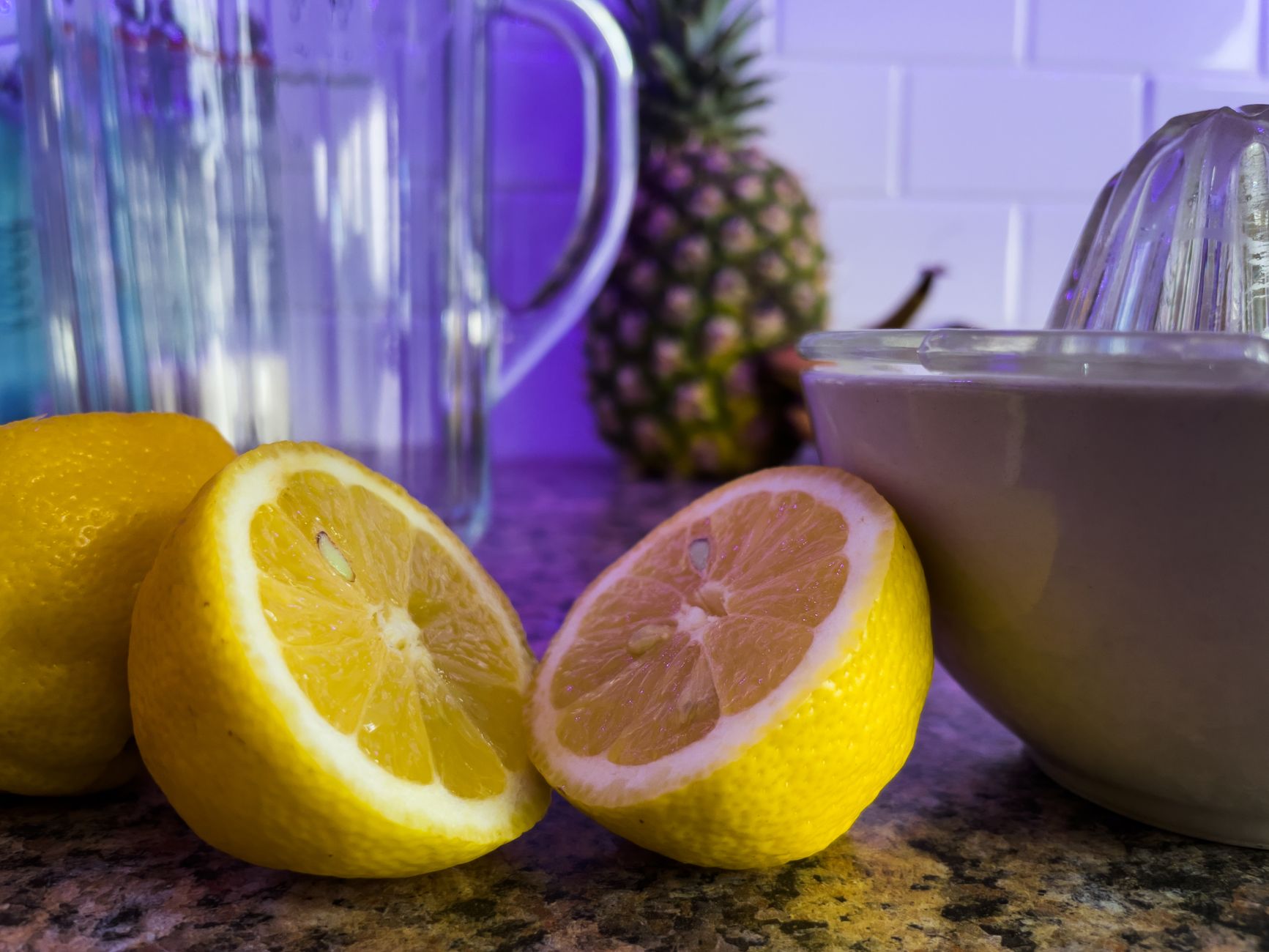
You know that moment when you squeeze a lemon and three drops come out? And you squeeze harder and your hand cramps? And then you give up and grab the bottled stuff that tastes like furniture polish?
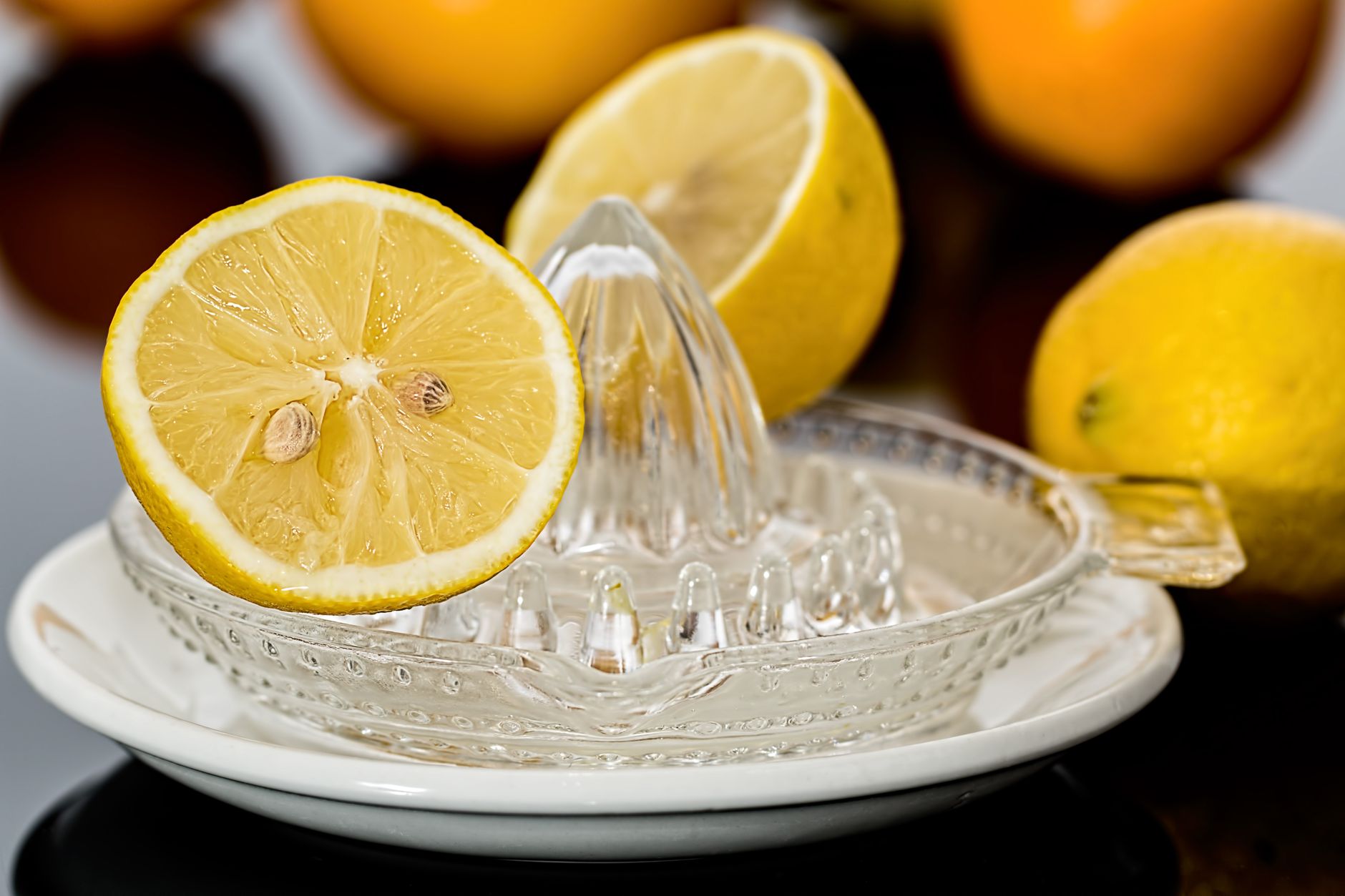
Microwave the lemon first. Fifteen seconds. That is the whole trick. I did not believe it until I juiced two lemons side by side — one microwaved, one straight from the fridge. The microwaved one gave me almost twice as much juice.
The Science Behind Why This Works
Cold citrus fruit has tight, rigid cell walls. The juice is trapped inside tiny sacs that refuse to rupture. Heat relaxes those cell walls. It also thins the juice slightly, making it flow more freely.
Microwaving does not cook the lemon at fifteen seconds. It just takes the chill off. The inside temperature goes from fridge-cold to slightly above room temperature. That shift is enough to change how the fruit behaves when you squeeze it.
Exactly How to Do It
- Take the lemon or lime out of the fridge.
- Place it whole on a microwave-safe plate. Do not cut it yet — heating a cut lemon makes a mess and dries out the exposed flesh.
- Microwave for 10-15 seconds. A small lime might need only 10. A large thick-skinned lemon needs the full 15.
- Let it cool for about ten seconds — it will be slightly warm, not hot.
- Roll it firmly on the counter under your palm before cutting. This breaks the membranes inside.
- Cut and squeeze.
The Rolling Step Matters More Than You Think
Rolling the lemon on the counter with firm pressure before cutting is not just for show. It physically crushes the juice sacs inside the intact peel. Combined with the microwave step, the difference is dramatic. I roll for about ten seconds, pressing down with my body weight.
A friend who works in a restaurant kitchen told me they do this for every lemon that goes into the bar. They keep lemons at room temperature rather than in the fridge. But microwaving gets you to the same place in fifteen seconds.
When Not to Microwave
If you need lemon zest, do not microwave first. The heat releases essential oils from the peel and your zest will be less aromatic. Zest first, then microwave, then juice.
Also do not microwave a lemon you plan to slice for garnish or drinks. Warm lemon wedges are not appealing in iced tea. This trick is purely for juicing.
📋 Quick Summary: Microwave whole lemons or limes for 10-15 seconds, roll firmly on the counter, then cut and squeeze. You will get up to twice as much juice from cold fruit. Zest first if needed.