I Wiped My Baseboards With a Dryer Sheet. Dust Stayed Away for Two Weeks.
I used to dust my baseboards every weekend. By Wednesday, they looked like I had never touched them. The dust came back—always—as if my baseboards had some kind of magnetic attraction to it.
Turns out, they kind of did. Dust clings to surfaces through static electricity. Regular dusting wipes remove the dust but leave the static charge. You are cleaning yesterday’s dust while inviting tomorrow’s.
The Dryer Sheet Fix
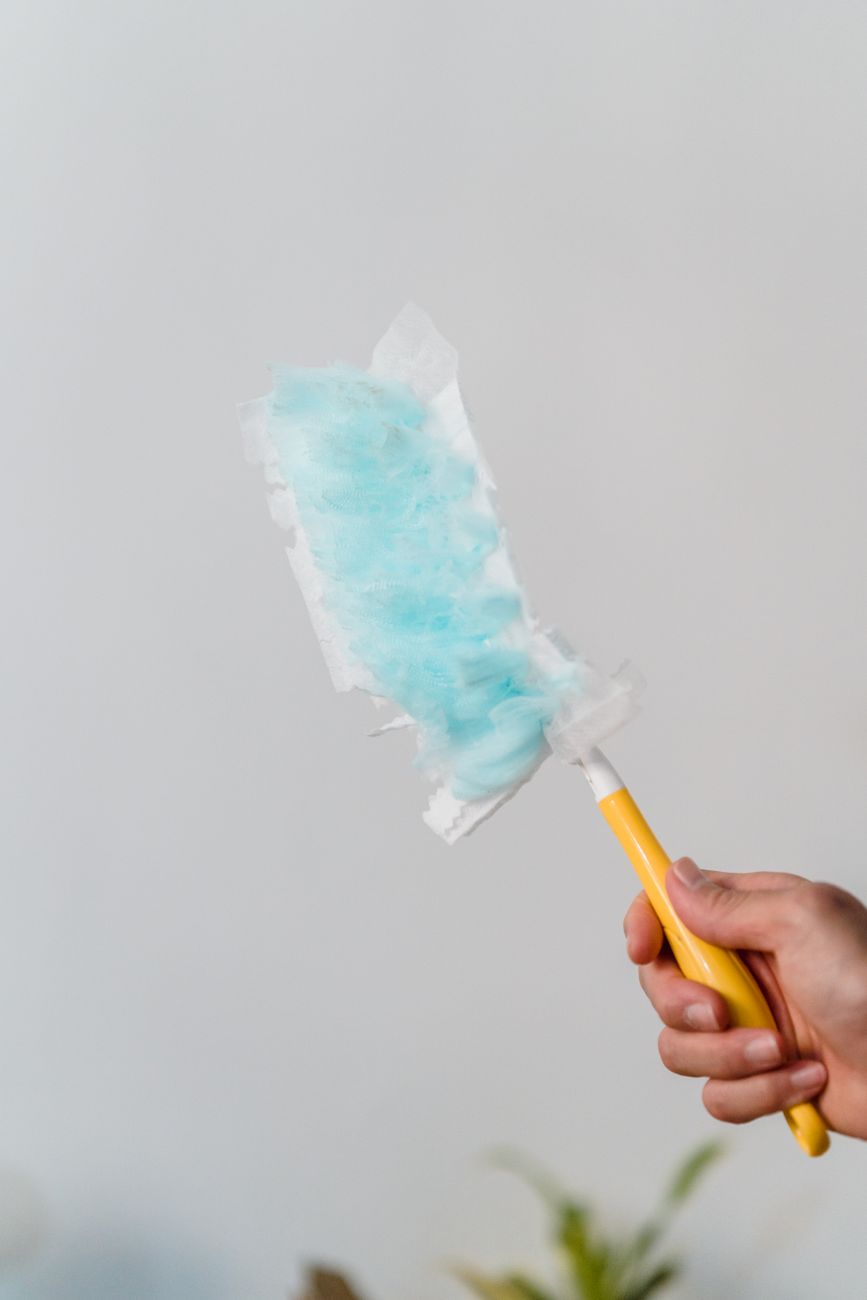
Take a used dryer sheet—or a fresh one, either works—and wipe your baseboards with it. That is the whole trick.
Dryer sheets are coated with cationic surfactants, the same compounds that make your laundry soft and static-free. When you wipe them on a surface, they deposit a thin anti-static layer. Dust particles cannot cling to it the same way.
My Two-Week Test
I did half my hallway baseboards with a dryer sheet and the other half with my regular cleaning spray and microfiber cloth. After one week, the spray side had visible dust. The dryer sheet side looked clean. After two weeks, the spray side needed redoing. The dryer sheet side had a light dusting at most.
I am not saying it is magic. It is chemistry. But it feels like magic when you are the person who does not have to wipe baseboards every Saturday.
Other Surfaces This Works On
- Ceiling fan blades—wipe them after a regular cleaning to delay the next dust layer.
- Blinds—each slat gets a quick swipe. Static-free blinds collect way less dust.
- Electronics—TV screens and monitor backs attract dust because of their own static. A gentle dryer sheet wipe helps.
- Car dashboard—same principle. Less static, less dust.
One Thing to Know
Do not use dryer sheets on unfinished wood, matte painted walls, or anything porous. The residue can leave marks. For baseboards with glossy paint—which is most of them—you are fine.
I keep a small stack of used dryer sheets in a drawer now. They have a second life.
Quick Summary: Wipe baseboards with a dryer sheet—the anti-static coating repels dust, keeping surfaces clean twice as long as regular dusting.