The Envelope Budgeting Hack That Works Better Than Any App

I have downloaded and deleted Mint, YNAB, EveryDollar, and three other budgeting apps I cannot remember the names of. I would set them up enthusiastically on a Sunday, categorize three months of transactions, and never open them again. The notifications became background noise. The “you overspent on dining out” alert arrived two days after I had already overspent. It was a guilt notification, not a prevention system.
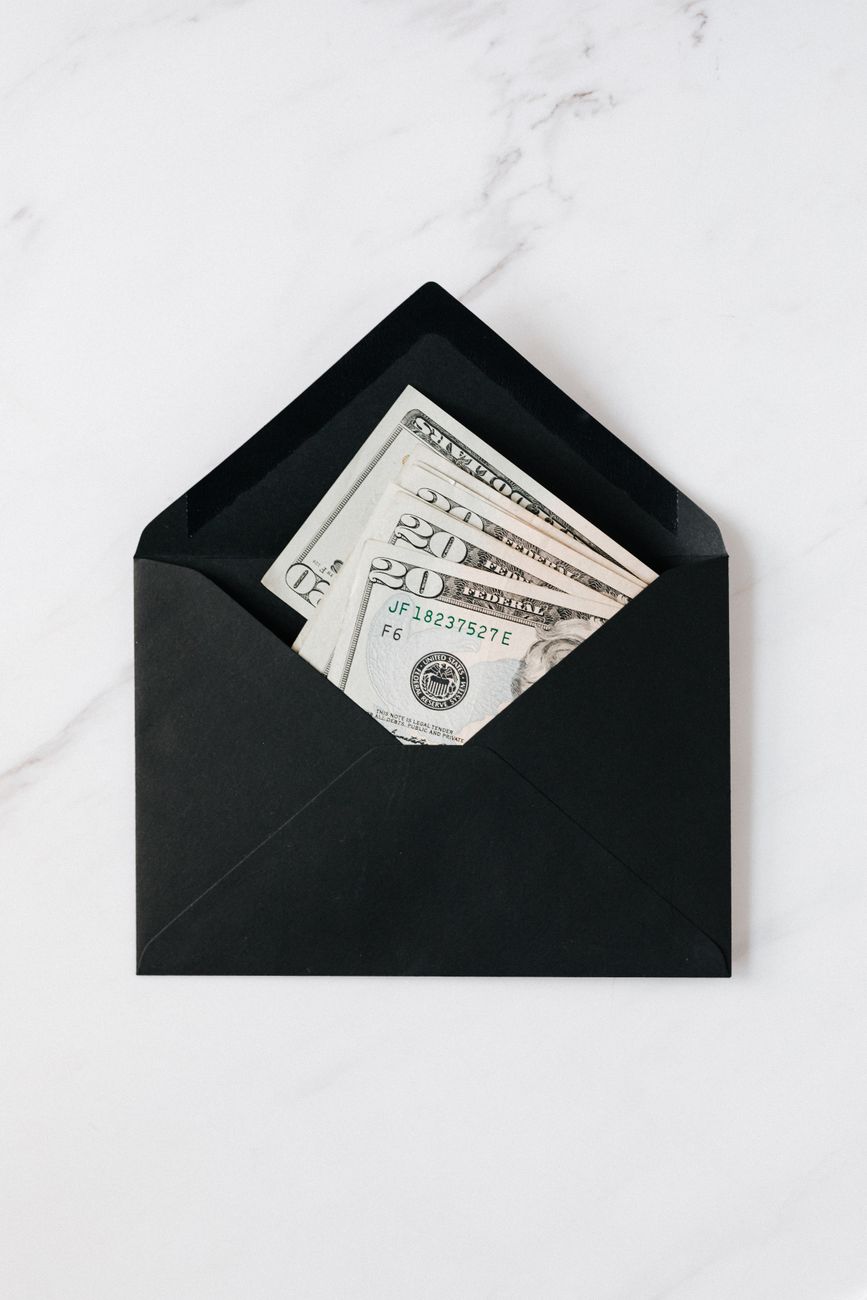
Then I tried something my grandmother did. The woman who balanced her checkbook by hand, who never had a credit card, who knew exactly how much money she had because she could see it and touch it. Cash envelopes. It worked. Immediately. In ways no app ever did.
How It Works
You decide how much money you can spend in a category for the month — groceries, gas, entertainment, dining out, whatever you want to control. You withdraw that amount in actual cash. You put it in an envelope. You write the category name and the amount on the outside. When the envelope is empty, you stop spending in that category. No app notification. No “are you sure?” prompt. Just an empty envelope.
The key is physicality. Swiping a card does not feel like spending money. The same part of your brain that registers pain — the insula — barely activates during a card transaction. But when you hand over a twenty-dollar bill and get back a five and some coins, your brain registers the loss. You feel it. And you spend less because feeling it changes your behavior.
What Categories to Envelope
Do not envelope everything. Fixed expenses — rent, utilities, subscriptions — can stay on autopay. Envelope the categories where you overspend without noticing. For me, that was:
- Groceries: $400/month. When the envelope thins out mid-month, I cook from the pantry instead of buying fresh salmon.
- Dining out / takeout: $150/month. Watching the cash disappear made me realize I was spending sixty dollars a week on lunches I barely tasted while scrolling my phone.
- Random Amazon purchases: $100/month. I deleted saved payment methods and bought Amazon gift cards with this envelope cash. When the gift card balance hits zero, I stop browsing.
What About Online Purchases?
The obvious objection: you cannot stuff cash into an Amazon checkout. Here is the workaround. Keep a separate checking account or a prepaid debit card funded only with your discretionary budget. When the envelope cash runs out, transfer more to the card. The extra step of transferring creates the same friction as handing over cash. It is not perfect, but it is close.
I use a free online-only checking account for this — not connected to my main bank. I transfer my discretionary budget once a month. When it hits zero, I am done.
Why Apps Failed Me
Apps show you numbers on a screen. Numbers are abstract. A shrinking envelope you can hold in your hand is not abstract. It is a countdown. The week before payday, I had seventeen dollars left in my grocery envelope. I planned meals around what was in the pantry. I got creative. I did not swipe a card and deal with the guilt later. I lived within the boundary I set. That feeling — actually staying within a budget instead of tracking how much I blew past it — was worth more than any app’s pretty charts.
📋 Quick Summary: Cash envelope budgeting works better than apps because physically handing over money activates the brain’s loss response. Withdraw cash for discretionary categories (groceries, dining, shopping), put it in labeled envelopes, and stop spending when the envelope is empty. For online purchases, use a separate prepaid card funded by envelope cash.