My Banana Bread Was a Disaster Until I Learned the Truth About Ripeness
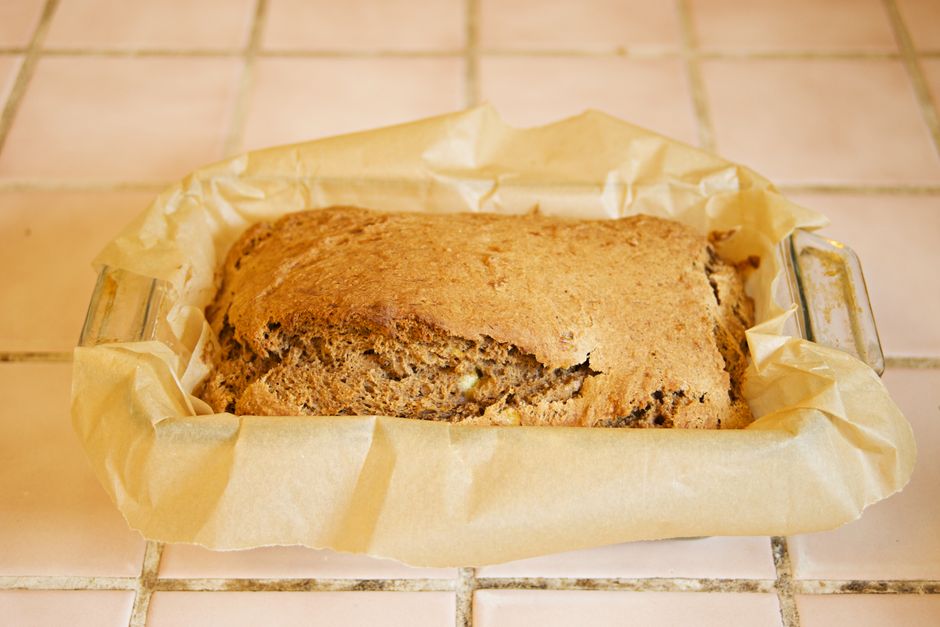
Last year, I was making banana bread on a Sunday afternoon. The recipe was my mother’s, handwritten on a stained index card I’d been using for a decade. It called for two large ripe bananas, and the ones on my counter were, to put it generously, past their prime. The peels were nearly black. The flesh inside was so soft I could squeeze it through the peel like toothpaste. I mashed them up, mixed the batter, poured it into the loaf pan, and put it in the oven.
Understanding the Problem
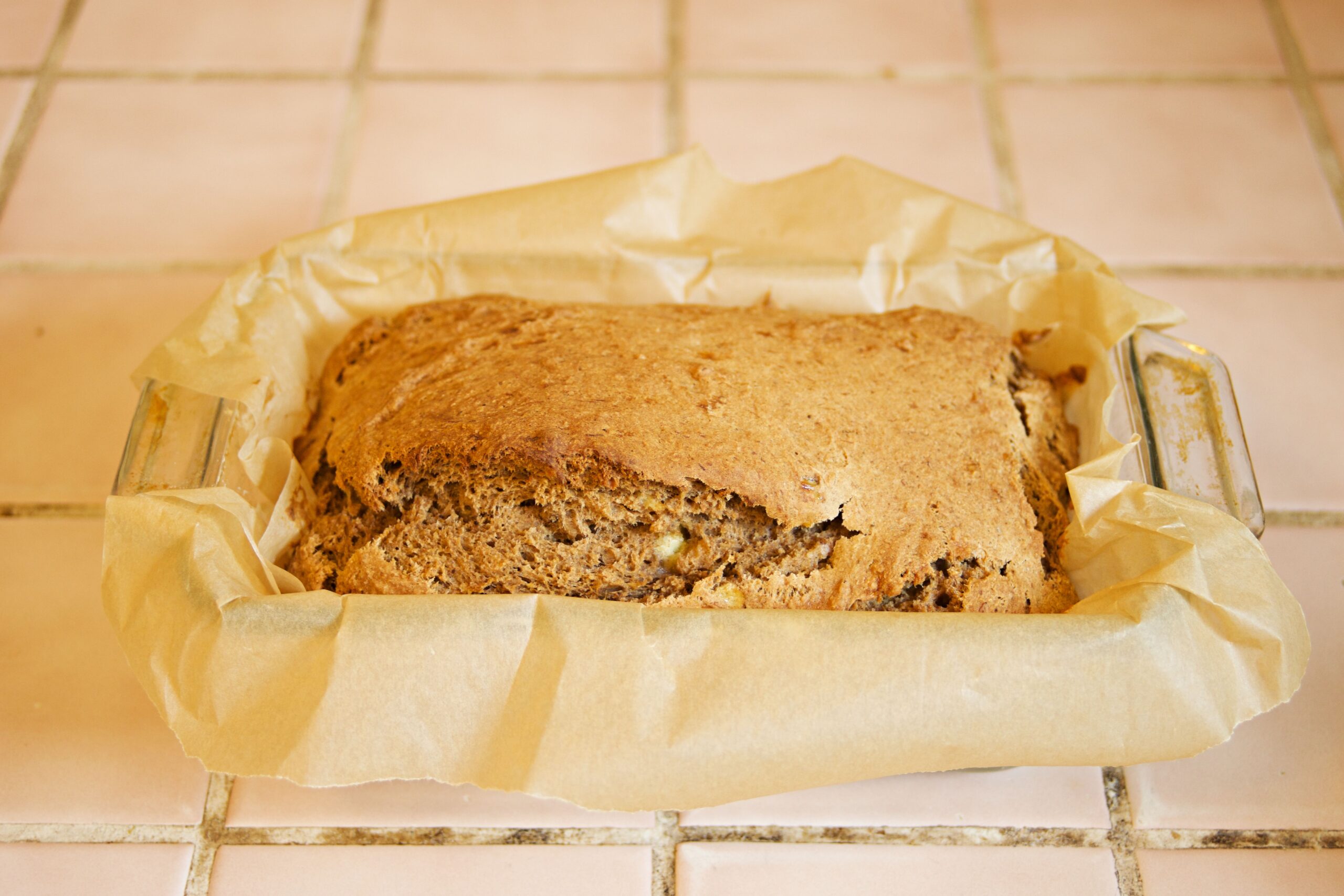
📸 Photo by Rachel Loughman on Pexels
Fifty minutes later, I pulled out a loaf that looked perfect. Golden brown on top, domed beautifully, a skewer inserted in the center came out clean. I let it cool for ten minutes, cut a thick slice, and took a bite. The texture was off. Not bad exactly, but dense in a way my banana bread had never been. The flavor was fine. The rise was shorter than usual. It wasn’t a failure, but it wasn’t what I expected.
I made the same recipe the following weekend with bananas that were ripe but not liquefied, just spotted brown, and the difference was dramatic. The loaf rose higher, the crumb was lighter and more tender, and the banana flavor was present but not overpowering. The issue, I discovered after some research, was the liquid content. Overripe bananas contain significantly more free moisture than just-ripe bananas. That extra liquid threw off my batter’s hydration ratio, producing a denser, gummier crumb. My mother’s recipe had been calibrated for speckled bananas, not black ones, and I had never thought to adjust.
Since then, I’ve become much more deliberate about managing the ripeness of the fruit I use in baking, and I’ve developed a system.
The Proven Solution
The fastest way to ripen bananas is to put them in a paper bag with an apple. Apples produce ethylene gas, which accelerates ripening in other fruits. Close the bag loosely, leave it on the counter, and your bananas will go from green to speckled in one to two days instead of four to five. This works for avocados as well, by the way. An avocado in a paper bag with a banana will be ripe by the next morning.
Long-Term Prevention Tips
If you need ripe bananas immediately, the oven method works surprisingly well. Place unpeeled bananas on a baking sheet and bake at 300 degrees for fifteen to twenty minutes, until the peels are completely black. The heat breaks down the starches into sugars, mimicking the ripening process. The bananas will be soft and sweet, perfect for baking. Let them cool completely before peeling. The color of the flesh will be slightly darker than naturally ripened bananas, but the flavor and texture are close enough that nobody will notice in a finished baked good.
For bananas that are already overripe, like my black-peel situation, the freezer is the answer. Peel the bananas, break them into chunks, and freeze them in a single layer on a baking sheet before transferring to a freezer bag. Frozen banana chunks are the base for the creamiest one-ingredient banana ice cream you’ll ever make. Just blend them in a food processor until smooth. The texture is shockingly close to soft serve, and it’s just fruit. You can also use frozen overripe bananas in smoothies, where the extra sweetness and moisture are assets rather than liabilities.
I still use my mother’s banana bread recipe, but I now make sure my bananas are speckled, not black, or I reduce the liquid elsewhere in the recipe by a tablespoon or two. Small adjustments, but they make the difference between a loaf that’s good and a loaf that’s exactly what I remember from childhood.