I Struggled to Peel Garlic for Years Until a Cooking Teacher Showed Me This

There are two kinds of people in this world: those who can chop garlic in thirty seconds, and those who spend five minutes peeling a single clove while cursing under their breath. I was firmly in the second camp until I discovered a technique that borders on magic.
Understanding the Problem
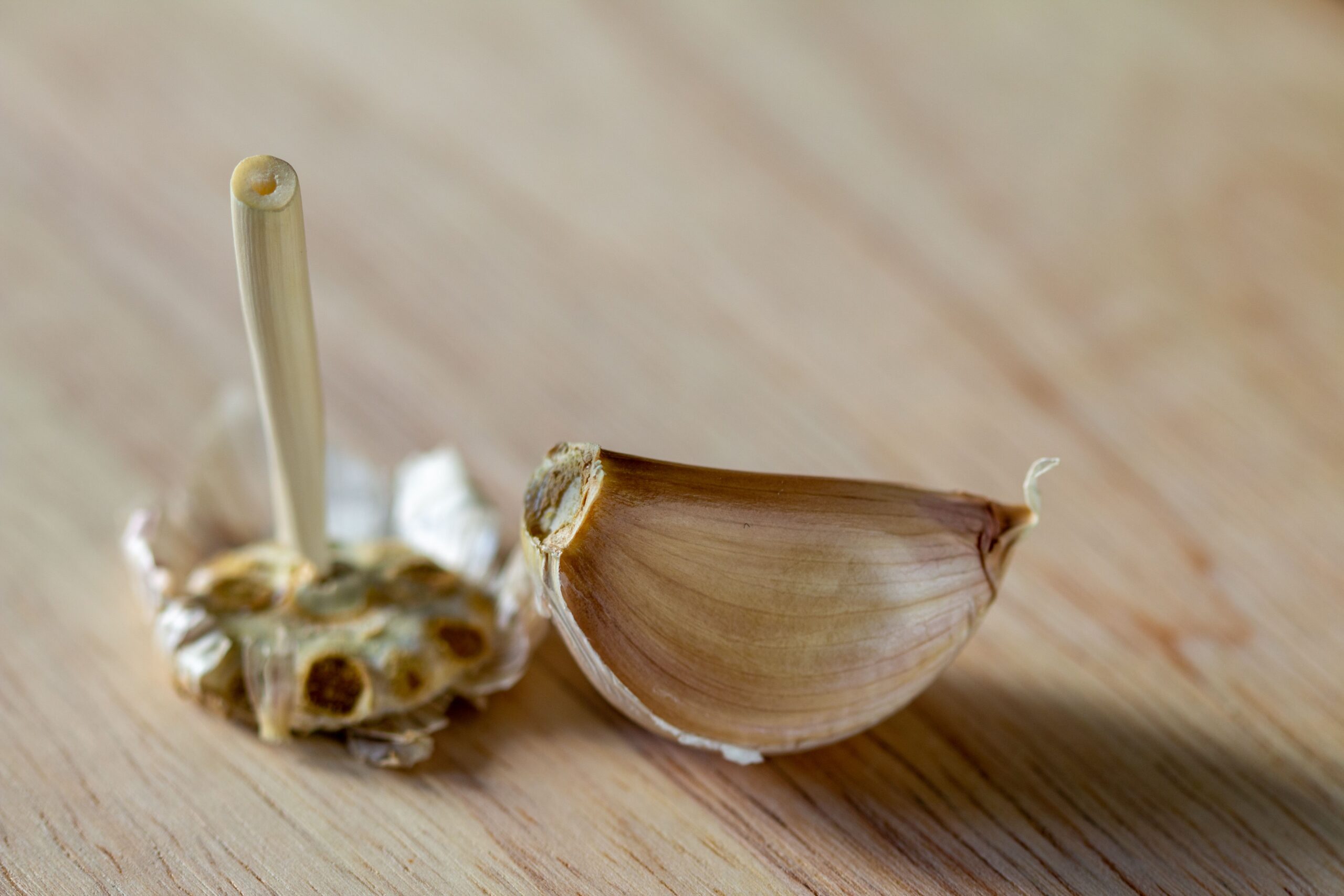
📸 Photo by Picas Joe on Pexels
My garlic struggles came to a head during a cooking class I took with my mother as a Mother’s Day gift. The instructor, a woman in her sixties who had been running this class for longer than I’d been alive, asked us to mince four cloves of garlic. I was still working on my first clove, picking at the papery skin with my fingernails, when the person next to me finished all four and moved on to chopping herbs. The instructor watched me struggle for about thirty seconds, then walked over and said four words that changed my kitchen life: use the side of your knife.
She took a clove from my pile, placed it on the cutting board, laid the flat side of her chef’s knife on top of it, and gave the knife one firm whack with the heel of her other hand. The garlic clove flattened slightly with a satisfying crunch. She then picked up the clove, and the skin slid off in her fingers as if it had been waiting for permission to leave. The whole process took maybe three seconds.
Here is why this works. The papery skin of a garlic clove is attached to the clove itself at multiple points. When you crush the clove gently, you break those attachment points and loosen the skin’s grip on the flesh. The skin then separates from the clove in one or two pieces instead of dozens of stubborn fragments. You don’t need to smash the clove into paste. Just a firm press is enough.
The Proven Solution
This technique works for multiple cloves at a time as well. If a recipe calls for four or five cloves, crush them all at once under the flat of your knife, and you’ll be able to peel the entire batch in under thirty seconds.
After peeling, mincing is the next bottleneck. I used to laboriously slice garlic into thin strips, then cross-cut those strips into tiny cubes. It was meditative, I suppose, but mostly it was slow. The instructor taught me a faster method: after crushing and peeling, give the cloves a rough chop, then sprinkle a pinch of coarse salt over the pile. The salt acts as an abrasive, helping break down the garlic as you continue chopping. It also absorbs the garlic juices, preventing the pieces from sticking to your knife and your cutting board. Keep rocking your knife back and forth over the pile, gathering it together periodically with the blade, and within thirty seconds you’ll have a fine, even mince.
Long-Term Prevention Tips
For when I need garlic paste, I now use a Microplane or a fine grater. Rubbing a peeled clove against the grater produces a smooth, almost creamy paste that dissolves into sauces and dressings without leaving visible garlic bits. This is how I prepare garlic for Caesar dressing, vinaigrettes, and marinades where I want the flavor without the texture.
One more tip from that class: if you’re sautéing garlic, add it later than you think you should. Garlic burns easily, and burnt garlic is bitter and unpleasant. Add it after your onions have softened, and cook it for only thirty to sixty seconds before adding liquid or other ingredients to the pan. The aroma should be fragrant and sweet, not acrid.
I still go to that cooking class every Mother’s Day, and I can now keep pace with the rest of the students. The instructor once told me I had good knife skills, and I’m pretty sure she had forgotten the garlic incident entirely. I haven’t.