The Rice Water Secret for Thicker Pasta Sauce
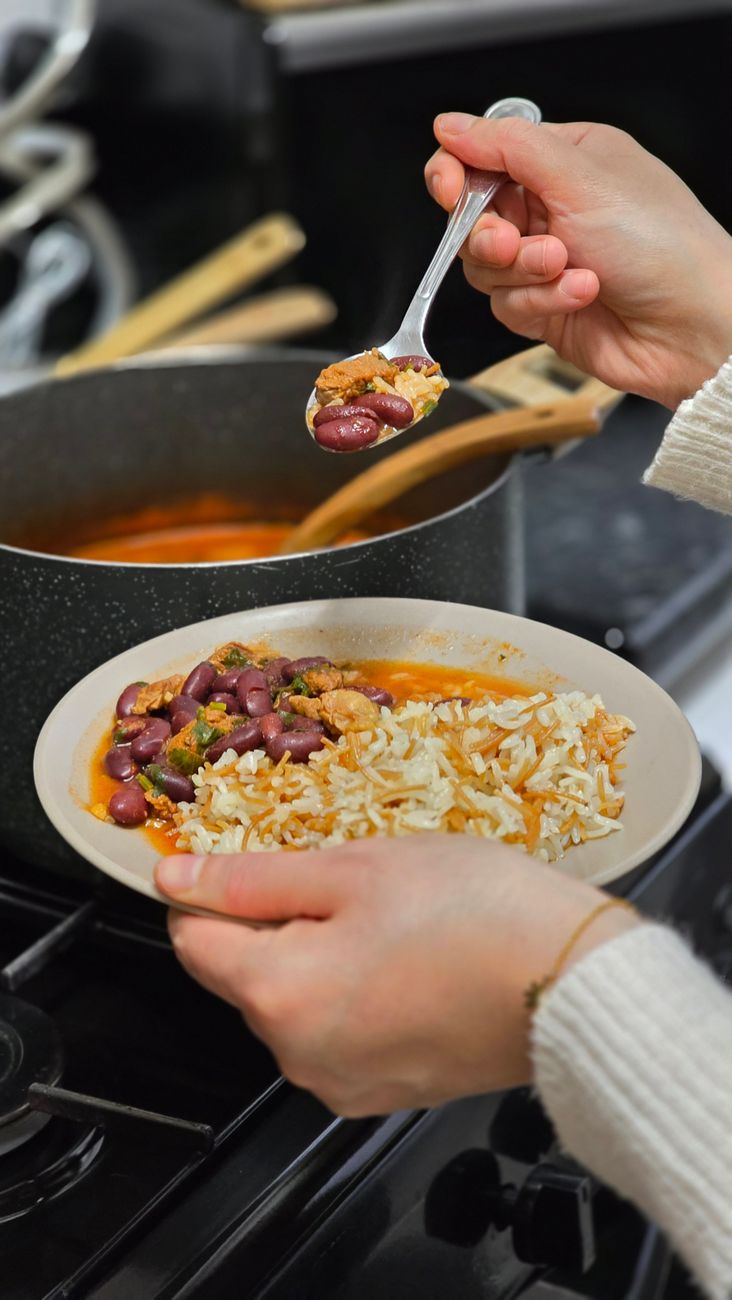
My grandmother never wrote anything down. Her recipes lived in her hands. When I asked her why her pasta sauce clung to the noodles instead of pooling at the bottom of the bowl, she shrugged. “Everyone does it that way.”
Everyone does not, actually. I’ve watched roommates dump pasta water down the drain for years. They don’t know what they’re throwing away.
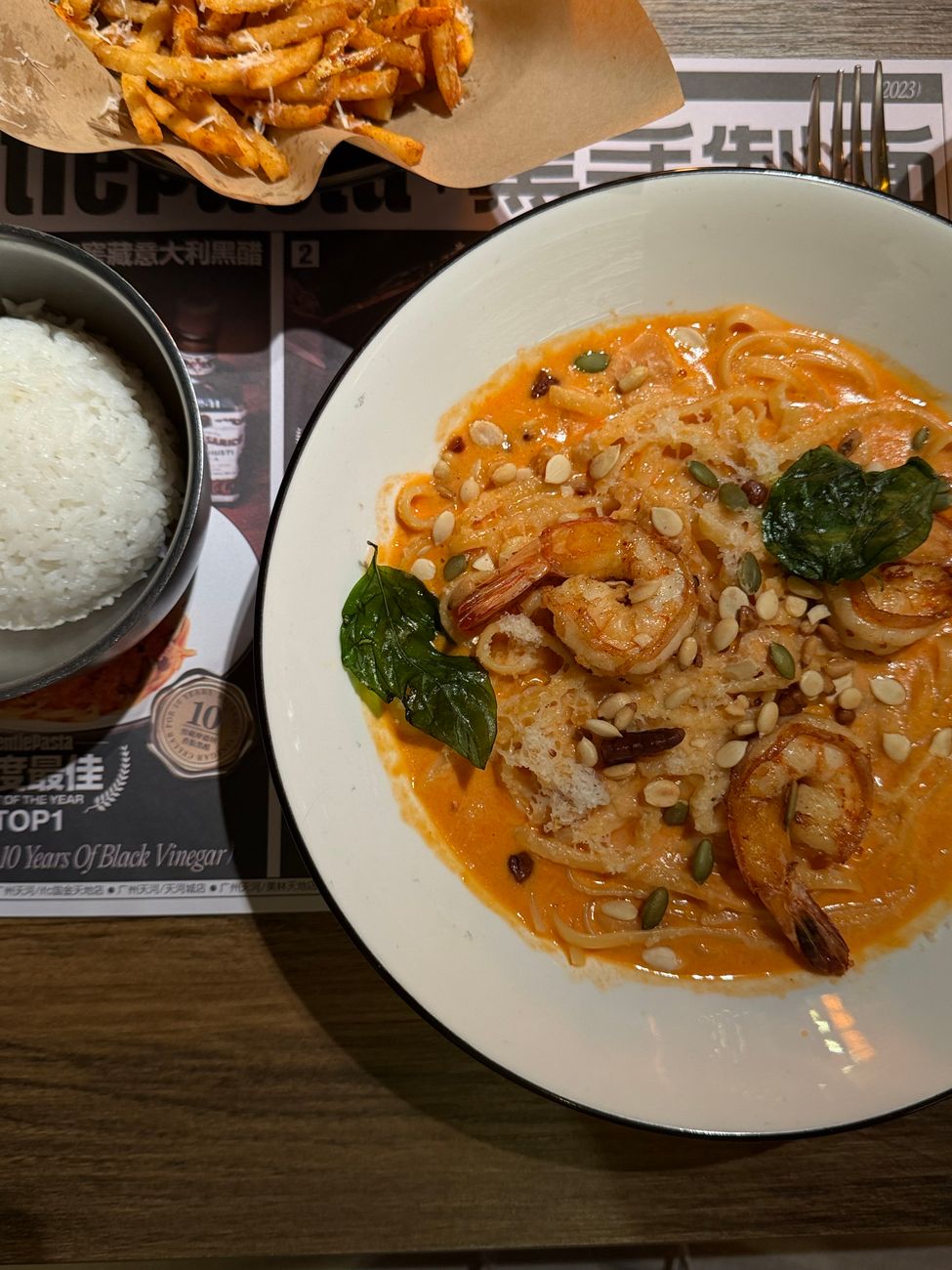
What’s in that cloudy water
When pasta boils, it releases starch into the water. That’s what makes it cloudy. The longer you boil, the starchier it gets. Italians call this liquid liquid gold. That’s not marketing. That’s cooking.
Starch is a thickener. Same thing that makes gravy thick. Same thing that makes risotto creamy. Pasta water has both starch and a little salt. Two things your sauce wants.
How the pros use it
Restaurant kitchens keep a ladle near the pasta pot. Right before draining, they scoop out a cup. Then they finish the pasta in the sauce — not the other way around. The pasta goes into the pan with the sauce, gets tossed with a splash of that starchy water, and everything emulsifies.
The starch bridges the gap between oil-based sauce and water-based sauce. It lets them mix instead of separate. Your sauce goes from sitting on top of the noodles to coating every strand.
The ratio that works every time
I keep it simple. For a pan of sauce that serves four, I add about a quarter cup of pasta water. Stir. If it looks too thin, keep stirring — it takes thirty seconds to come together. If it’s still thin after that, add another splash.
Too much water and you get soup. The fix: keep cooking. It’ll reduce.
One mistake I made for years
I used to salt the pasta water like I was seasoning soup. Way too much salt. When you reduce that water in the sauce, all that salt concentrates. Now I salt the water less aggressively. I can always add more to the finished dish.
The water should taste like the ocean, not like a salt lick.
What about rice water?
Same principle. Rice releases even more starch. If you’re making an Asian-style stir fry sauce, a splash of rice cooking water thickens it beautifully. I’ve used it for teriyaki. For curry. For pad thai sauce.
Next time you boil pasta or rice, don’t dump the water. Scoop it.
📋 Quick Summary: Save a cup of pasta water before draining. The starch emulsifies your sauce so it clings to every noodle. Quarter cup per pan of sauce. Use rice water the same way for Asian dishes.