I Ate a Bad Egg and Ended Up on My Bathroom Floor Never Again
I once ate a hard-boiled egg that had been in my refrigerator for what I estimated was about three weeks. It tasted fine, which is the dangerous thing about eggs. They don’t always announce their age with an obvious smell or visible mold. But about four hours later, I was lying on my bathroom floor, rethinking every life choice that had led me to that moment. Food poisoning from a bad egg is not subtle. It is violent and humbling, and I would not wish it on anyone.
Understanding the Problem
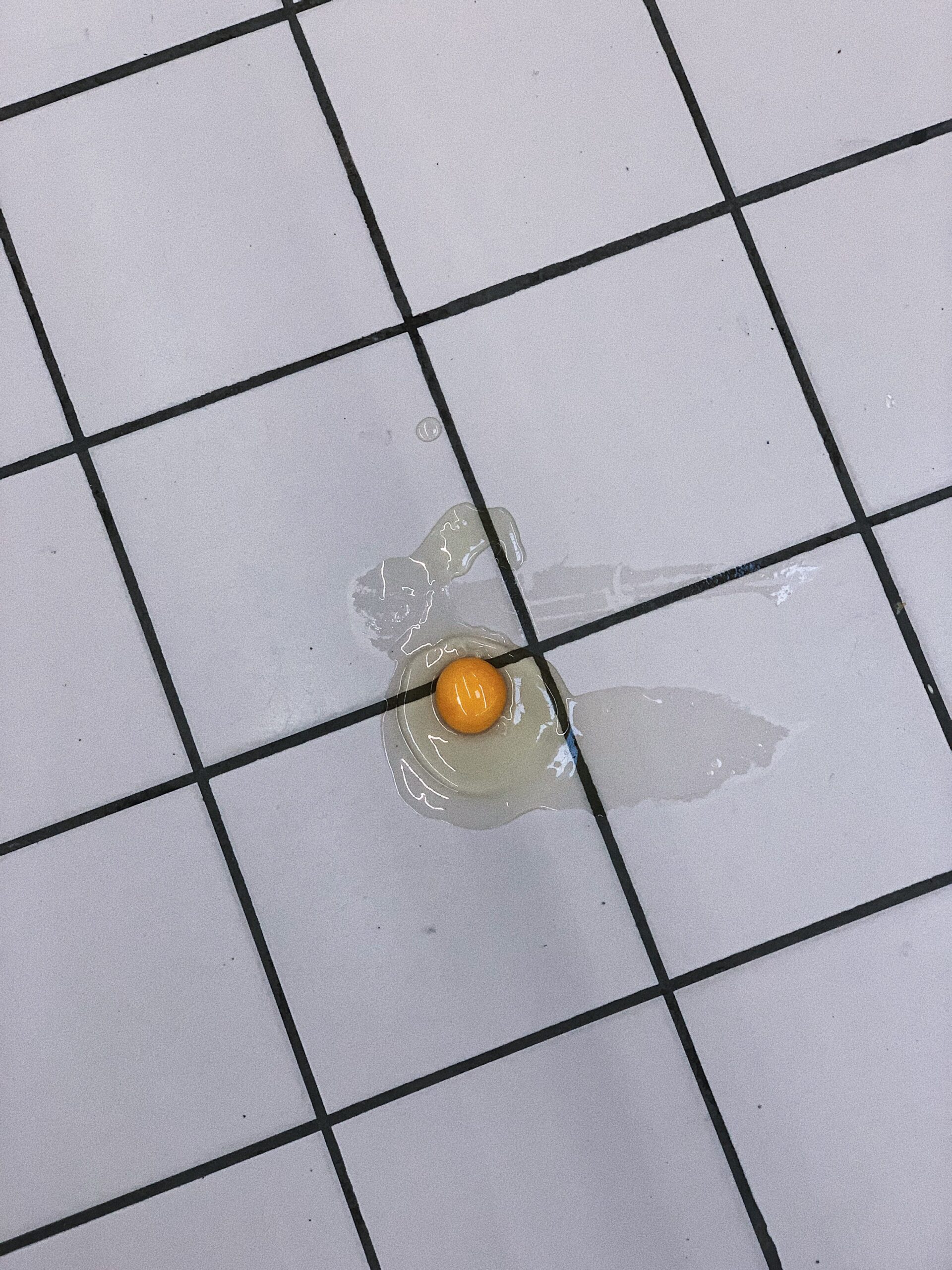
📸 Photo by Diana ✨ on Pexels
That experience made me obsessive about egg freshness, and I learned a technique so simple and reliable that I now use it every single time I crack an egg, which is several times a week.
The technique is the float test. Fill a bowl or a tall glass with cold water. Gently place the egg in the water. A fresh egg will sink to the bottom and lie flat on its side. An egg that’s about a week old will sink but stand on one end, bobbing slightly. An egg that floats to the surface is bad and should be thrown away immediately. Do not crack it to check. Do not sniff it. Just throw it away.
The science behind this is straightforward. Eggshells are porous. Over time, air and bacteria enter through the shell. As the egg ages, moisture inside evaporates through those pores, and the air cell inside the egg expands. A larger air cell makes the egg more buoyant. A floating egg has a large enough air pocket, and potentially enough bacterial activity generating gas, that it is no longer safe to eat.
The Proven Solution
This test is far more reliable than the expiration date on the carton. Eggs often remain perfectly good for two or three weeks past the printed date if they have been properly refrigerated. Conversely, eggs that were left at room temperature for several hours might be bad well before the date suggests. The float test doesn’t care about dates or storage conditions. It measures the actual physical state of the egg.
While I’m on the subject of egg safety and quality, there are a few other techniques I learned after my bathroom-floor incident. The easiest way to peel a hard-boiled egg, and I’ve tried every method on the internet, is to use eggs that are at least a week old. Very fresh eggs have a lower pH, which causes the inner membrane to bond tightly to the shell. As eggs age, the pH rises, and the membrane separates more easily. If you need perfectly peelable hard-boiled eggs, buy your eggs a week before you plan to boil them. Or add a teaspoon of baking soda to the boiling water, which raises the pH of the water and helps mimic the aging effect.
Long-Term Prevention Tips
For poaching eggs, freshness is the opposite. The freshest possible eggs hold their shape best in the water because the whites are thicker and more cohesive. An older egg will spread into wispy strands in the poaching water. Use the freshest eggs for poaching, and add a splash of vinegar to the water to help the whites coagulate faster.
I also learned to crack eggs into a separate small bowl before adding them to whatever I’m cooking. This is not just a professional chef affectation. It prevents shell fragments from falling into your batter or pan, and more importantly, it lets you inspect each egg individually. If an egg has gone bad, you’ve only contaminated a small bowl, not an entire cake batter or omelet.
The egg that put me on the bathroom floor taught me a lesson I’ll never forget. Thirty seconds of testing beats four hours of regret every single time.