The Envelope Budgeting Method That Actually Works
I tried budgeting apps. Mint, YNAB, a spreadsheet I built myself. They all failed for the same reason: I would log in, see I had overspent on restaurants, feel guilty, and close the app. The data was accurate. The behavior did not change.
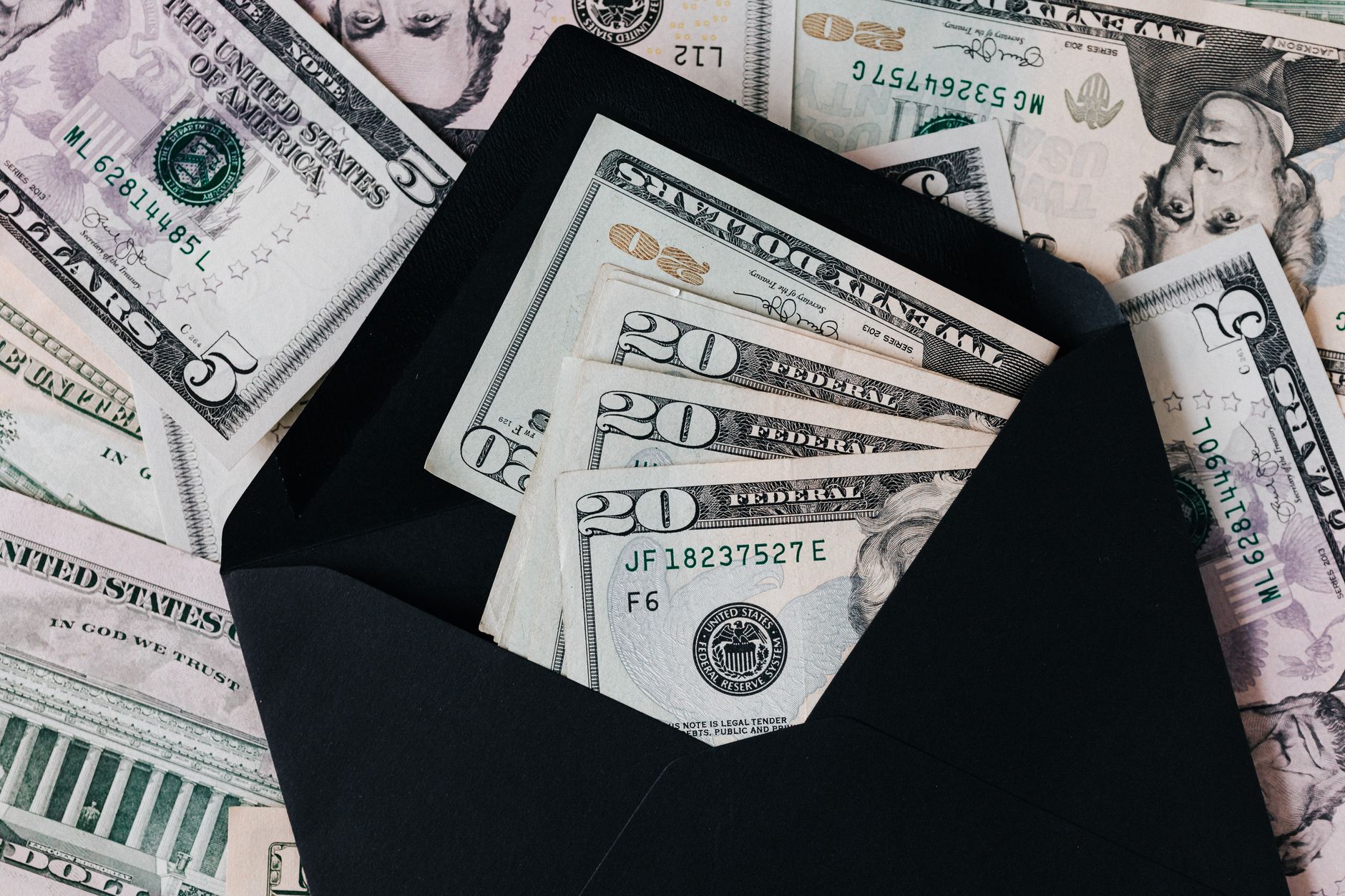
Then I tried cash envelopes — the old-school method where you put physical money in labeled envelopes. It sounds like something your grandmother did. It works better than any app I have ever used.

Why Cash Works Better Than Apps
Swiping a card does not feel like spending money. It feels like magic — you get stuff and nothing leaves your hand. Handing over cash triggers a different part of your brain. There is a physical loss. You can see the envelope getting thinner.
When the “Eating Out” envelope is empty, you stop eating out. There is no “I will catch up next month” because you literally cannot spend money you do not have in your hand. Apps let you roll over deficits indefinitely. Cash does not.
How to Set It Up
Withdraw your spending money in cash after each paycheck. Label six to eight envelopes: Groceries, Eating Out, Gas, Entertainment, Personal Spending, and Miscellaneous. Put the budgeted amount in each envelope. When an envelope is empty, that category is done until the next paycheck.
Bills that auto-pay (rent, utilities, subscriptions) stay in your bank account. This method is for discretionary spending only — the categories where you actually overspend.
The Modified Digital Version
If carrying cash is not practical, use separate checking accounts for different spending categories. Some banks let you open multiple free accounts. Transfer your budgeted amount to each one and use the corresponding debit card. Same envelope principle, different form.
Start Small
Try it for just one category first — eating out, for example. Put a hundred dollars in an envelope on Monday. When it is gone, you are cooking at home. Do this for a month. Once you feel the difference between abstract numbers on a screen and actual cash running out, expand to other categories.
📋 Quick Summary: Put discretionary spending in labeled cash envelopes. When the envelope is empty, stop spending in that category. Cash makes spending feel real in a way apps do not.