Clean a Gross Toilet Tank Without Calling a Plumber
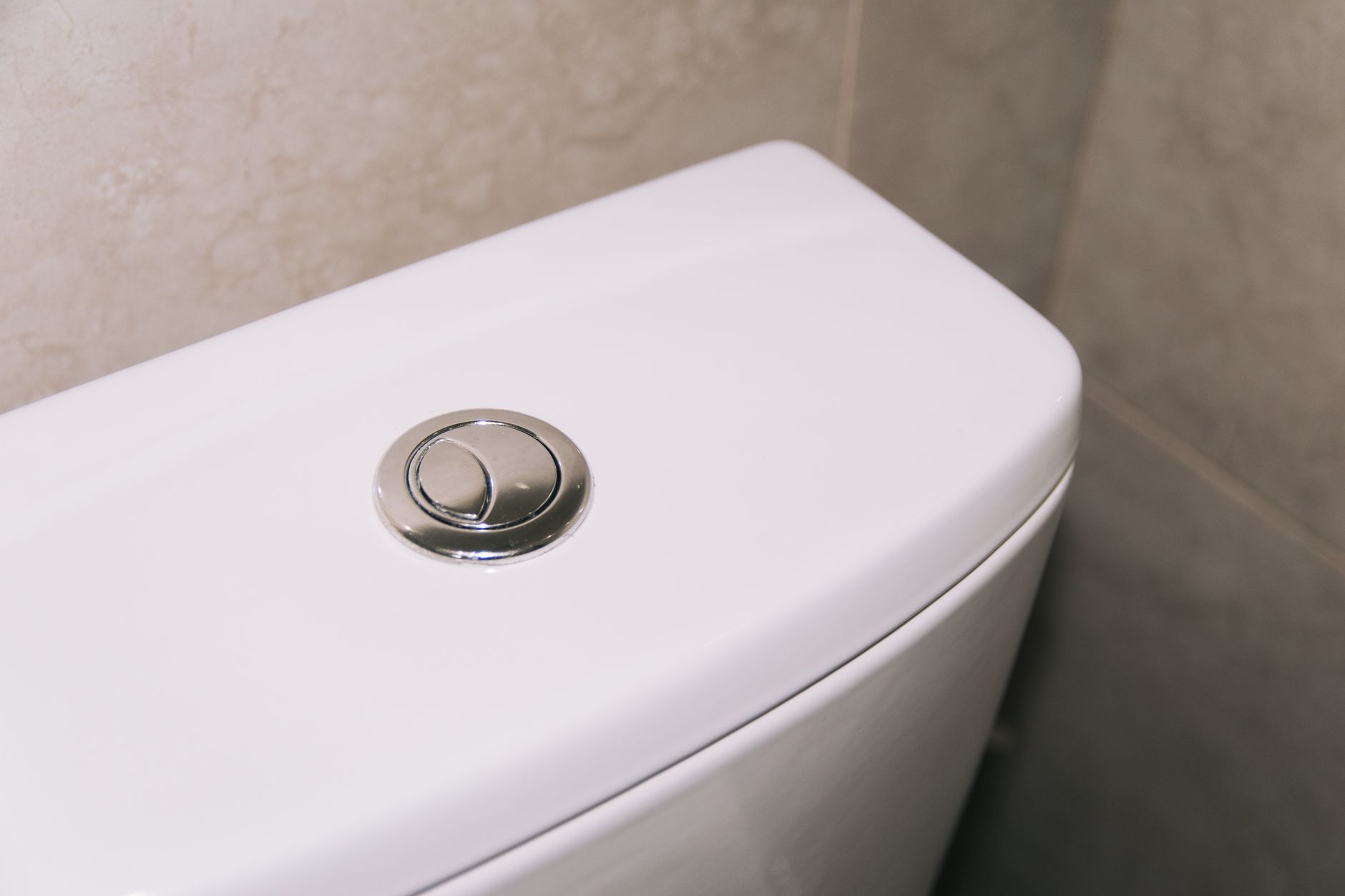
I opened my toilet tank for the first time in two years because the flush was getting weak. Inside, the water was brown. Not “a little discolored” brown — coffee brown. There was a layer of sediment on the bottom that looked like wet sand. I almost closed the lid and pretended I had not seen it.
Turns out toilet tanks collect mineral deposits, rust, and mold whether you look at them or not. Cleaning it is easier than you think. Here is how.
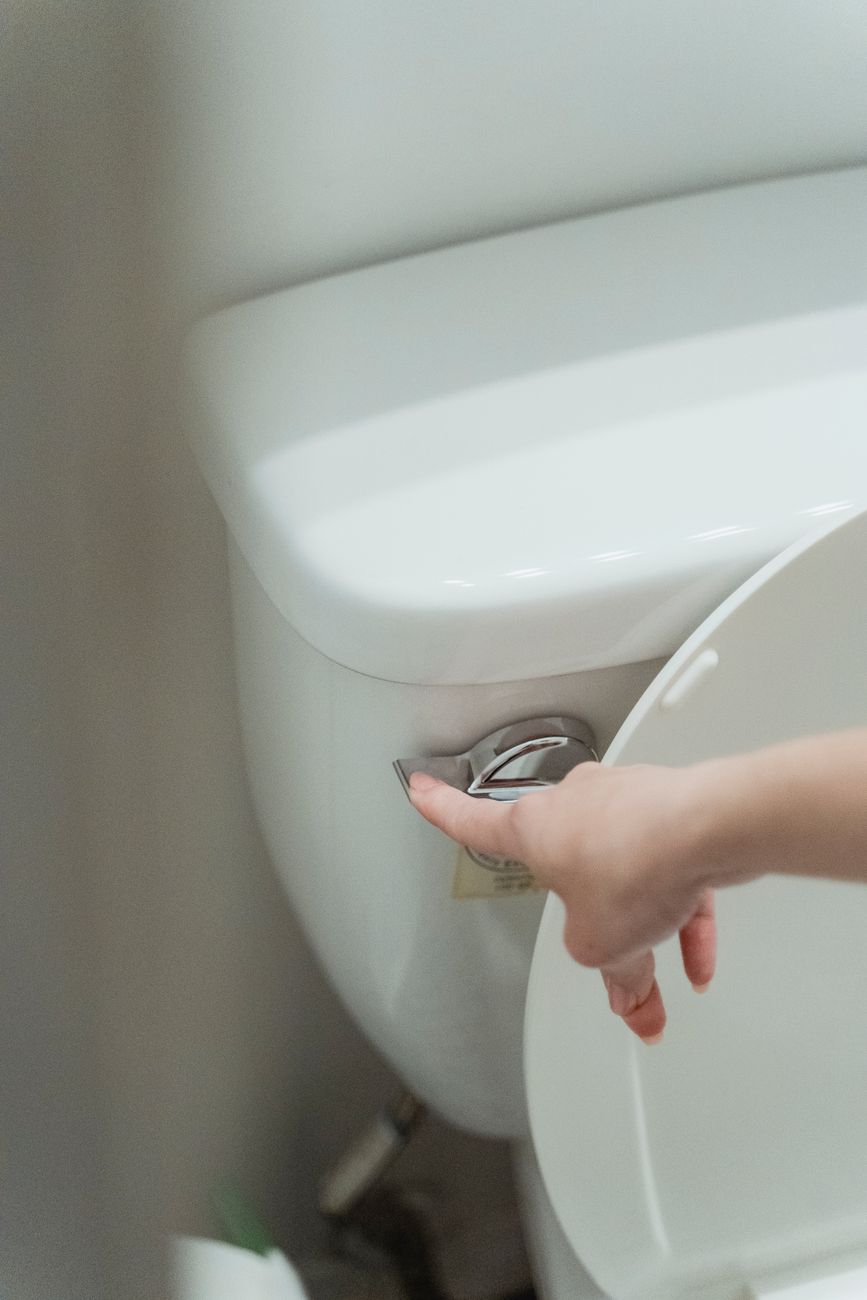
Step One: Shut Off the Water
Find the shutoff valve behind the toilet, near the floor. Turn it clockwise until it stops. Flush the toilet to empty the tank. You want as little water left inside as possible. Sponge out whatever remains.
Step Two: The Vinegar Soak
Pour two cups of white vinegar into the empty tank. Let it sit for at least an hour — longer if the buildup is thick. The vinegar dissolves mineral scale and kills mold. Do not add bleach. Bleach and vinegar create toxic chlorine gas when mixed, and there might be residual cleaners in the tank you do not remember using.
Step Three: Scrub and Flush
Use an old toothbrush or a small scrub brush to work on the walls and the bottom. Pay attention to the water line — that is where the worst ring forms. Do not use anything abrasive on the rubber flapper or gaskets. Those need to stay smooth to seal properly.
Turn the water back on, let the tank refill, and flush twice to rinse everything through. The first flush will look cloudy from the loosened minerals. The second should run clear.
How Often Should You Do This?
Twice a year is plenty for most homes. If you have hard water, do it every three months. You will notice the flush getting stronger immediately — all that buildup was blocking the jet holes that push water into the bowl.
📋 Quick Summary: Shut off water, empty tank, soak with vinegar for an hour, scrub, flush twice. Clean twice a year — more often with hard water.