How to Fix a Running Toilet in Two Minutes Without a Plumber
My toilet started running at 2 AM on a Tuesday. That constant hissing sound—water flowing when nobody flushed. I lay in bed convinced I was about to pay a plumber two hundred dollars to wiggle something.
I fixed it before my coffee finished brewing. It took longer to take the lid off the tank than to actually solve the problem.
Nine Times Out of Ten, It Is the Flapper
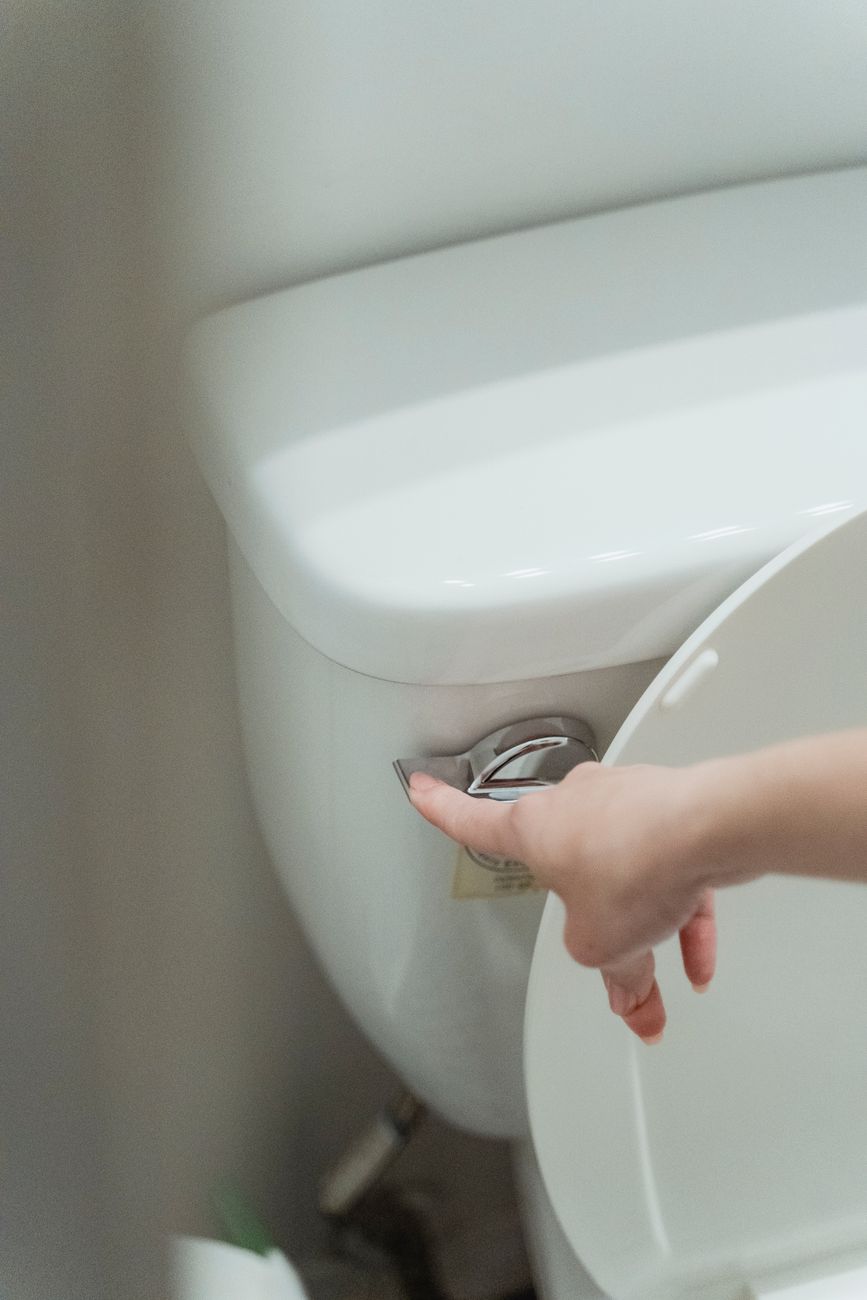
Lift the lid off the tank and look inside. The flapper is the rubber stopper at the bottom that lifts when you flush and drops back down to seal the tank. Over time—usually two to five years—the rubber degrades. It warps, gets stiff, or develops a slimy coating. Then it cannot seal properly, and water slowly leaks from the tank into the bowl.
When the water level drops far enough, the fill valve kicks on to top it off. That is the running sound you hear—the fill valve repeatedly activating because the flapper is leaking.
To check: put a few drops of food coloring in the tank. Do not flush. Wait fifteen minutes. If colored water appears in the bowl, the flapper is leaking. Replace it.
How to Replace a Flapper
Turn off the water. The valve is on the wall behind the toilet. Turn it clockwise until it stops.
Flush to drain the tank. Hold the handle down to get as much water out as possible.
Unhook the old flapper. It is attached to the overflow tube by two rubber ears. Slide them off. Unclip the chain from the flush lever.
Attach the new flapper. Slide the ears onto the pegs on the overflow tube, hook the chain to the lever, and adjust the chain so there is about half an inch of slack. Too tight and the flapper will not seal. Too loose and the flush will be weak.
Turn the water back on and test. Flush once. Watch the flapper. If it seals and the water stops, you are done. Total cost: about six dollars for a universal flapper.
If It Is Not the Flapper
Check the chain. Sometimes the chain gets caught under the flapper. Just pull it free. Free fix.
Check the float. If the water level is too high, water spills into the overflow tube continuously. Adjust the float—on older toilets, bend the metal arm down slightly. On newer ones, turn the adjustment screw or pinch the clip and slide the float down. The water level should be about half an inch below the top of the overflow tube.
Mineral buildup on the flapper seat. Run your finger around the rim where the flapper sits. If it feels rough, scrub it with a scouring pad. Calcium deposits prevent a good seal.
📋 Quick Summary: Replace the flapper—it is the culprit almost every time. Six dollars, two minutes, zero plumbing skills required. Test with food coloring first to confirm a leak.