How to Get Rid of That Musty Smell in Front-Loading Washing Machines
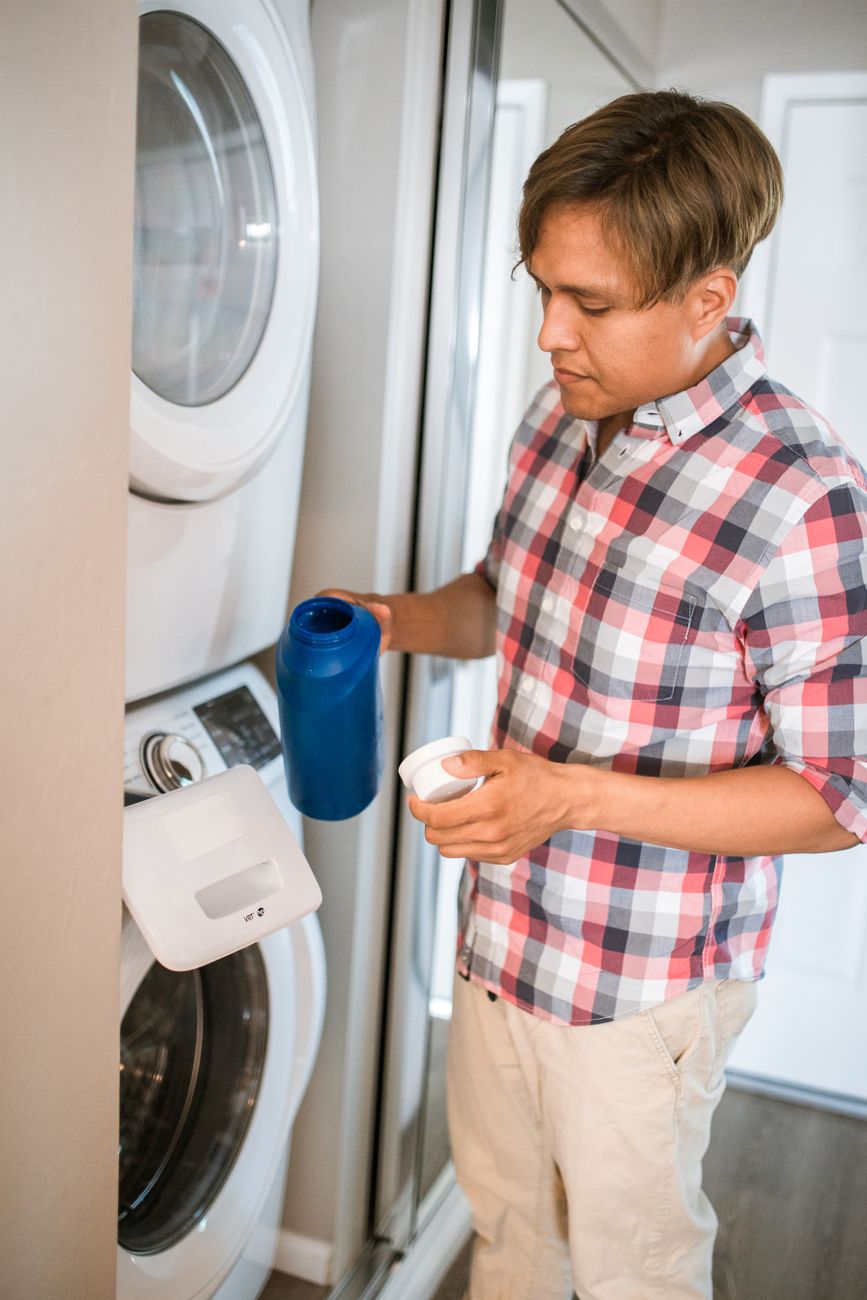
The first time my laundry came out smelling worse than it went in, I assumed I had left it sitting wet too long. So I rewashed it. Still smelled. Rewashed again with extra detergent. Now it smelled like musty flowers.
Turns out the problem was not the laundry. It was the machine.
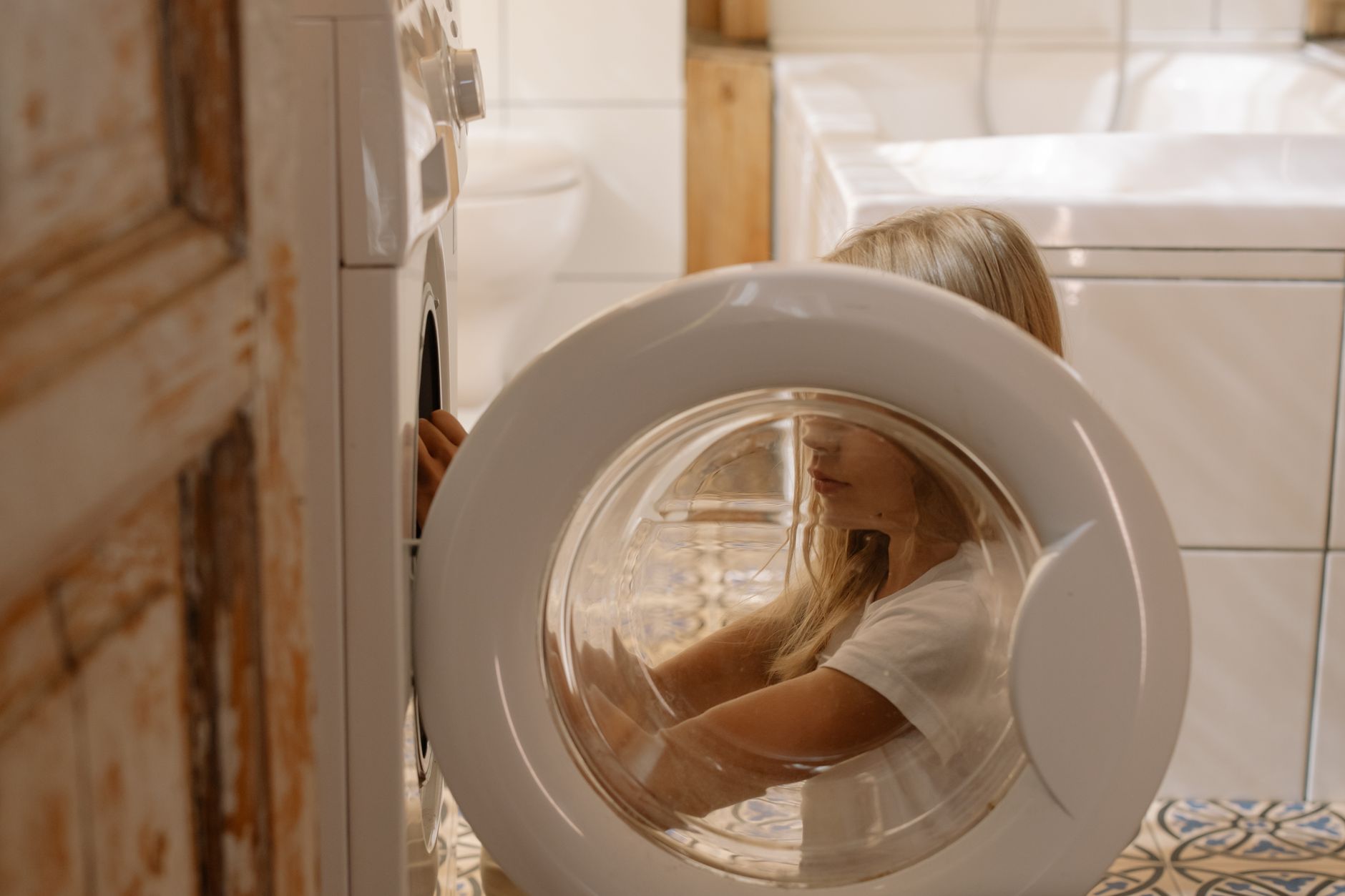
Why Front-Loaders Smell
Front-loading washers use a rubber gasket to seal the door. Water pools in the folds of that gasket after every cycle. Add detergent residue, fabric softener, and a dark enclosed space, and you have created a perfect environment for mold and mildew. The smell is literally bacteria colonies growing inside your washing machine.
Top-loaders drain more completely. Front-loaders do not, by design. The gasket has to hold water to maintain the seal. The tradeoff is that front-loaders use less water and energy—but you have to maintain them.
The Cleaning Protocol
Wipe the gasket after every load. Pull back the rubber folds and dry them with a rag. It takes fifteen seconds. This alone prevents most of the problem. I keep an old washcloth draped over the door for this exact purpose.
Leave the door open. Always. Between loads, the washer door should stay cracked open so air circulates. If you have small kids who might climb in, leave the detergent drawer open instead—that vents enough air.
Run a cleaning cycle monthly. Pour two cups of white vinegar into the detergent dispenser and run the hottest, longest cycle your machine has—usually “sanitize” or “clean washer.” No laundry inside. The vinegar kills mold and dissolves mineral buildup.
Bleach for bad cases. If the smell is already entrenched, run a cycle with half a cup of bleach instead of vinegar. Then run a second empty cycle with just water to flush the bleach out before you wash clothes again. Never mix bleach and vinegar—the combination produces toxic chlorine gas.
The Detergent Drawer
Pull the drawer all the way out. The release tab is usually on the bottom or top. Soak it in hot water and vinegar for thirty minutes. Scrub the compartment it slides into—mold loves the dark corners in there. A toothbrush works well for this.
Stop using too much detergent. More soap does not mean cleaner clothes. Excess detergent does not rinse out fully and becomes food for bacteria. Use the amount on the bottle, or even slightly less. High-efficiency machines need very little.
📋 Quick Summary: Wipe the rubber gasket dry after every load, leave the door cracked open, and run a vinegar cleaning cycle once a month. Use less detergent than you think you need.