How to Tell If an Egg Is Still Fresh Without Cracking It Open
I once cracked a rotten egg into a hot buttered pan at six in the morning. The smell filled the entire apartment. My then-girlfriend—now wife—still brings it up. “Remember that egg?” Yes. Yes I do.
There is a dead-simple way to avoid that experience, and it takes ten seconds.
The Float Test
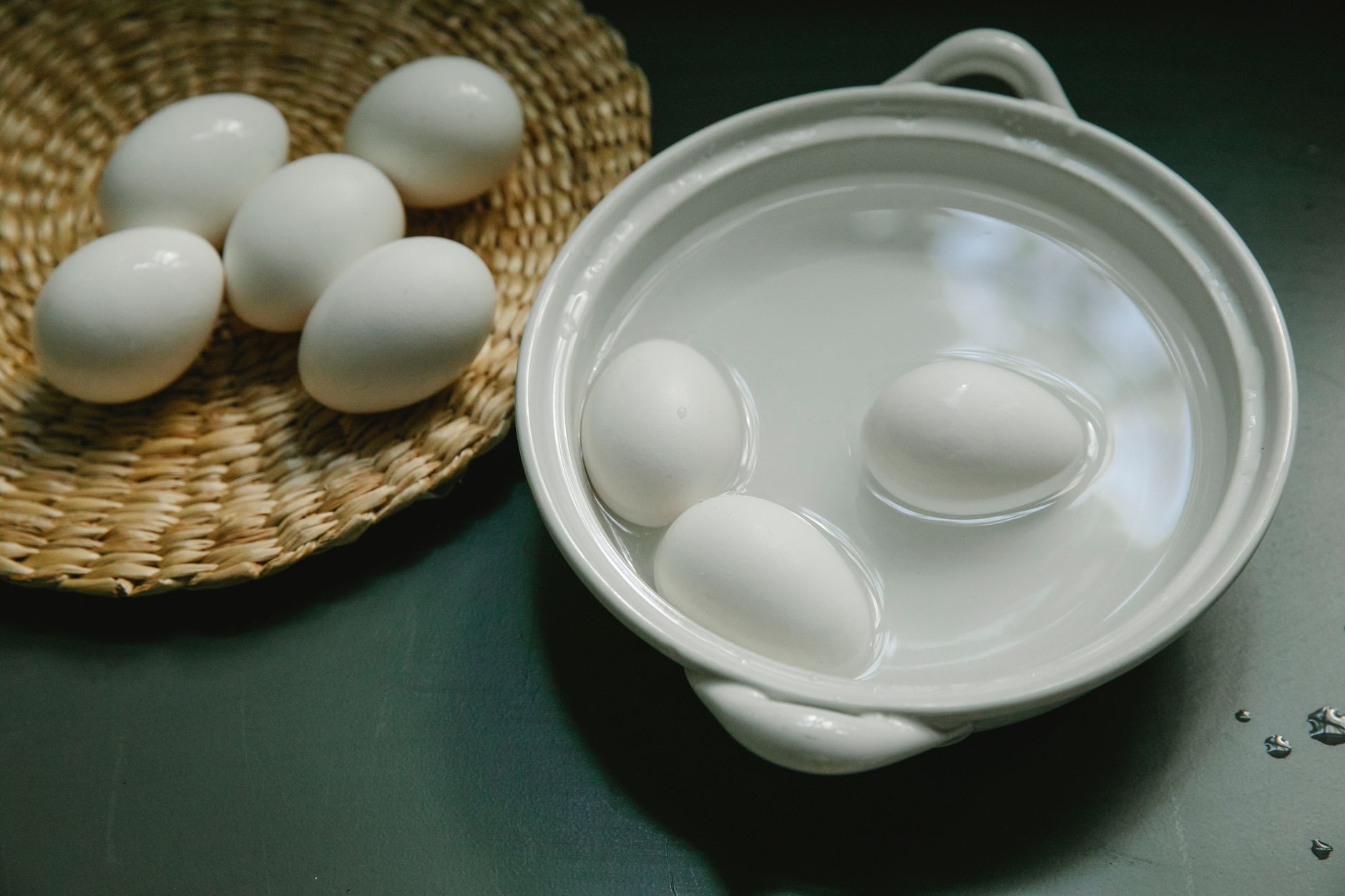
Fill a bowl or glass with cold water. Gently place the egg in it. Then watch.
If it sinks and lies flat on its side—fresh. This egg was laid recently. The air cell inside is tiny, so the egg is dense and sinks.
If it sinks but stands upright on the bottom—still good, but use it soon. The egg is a week or two old. The air cell has expanded as moisture evaporated through the shell, making it slightly buoyant. Hard-boil these because they peel easier.
If it floats to the surface—throw it out. Do not sniff it. Do not crack it “just to check.” The air cell is so large the egg is buoyant, and bacteria have likely built up inside.
Why This Works
Eggshells are porous. Over time, moisture inside the egg evaporates through thousands of microscopic pores, and air replaces it. An older egg has a bigger air pocket, so it floats. A fresh egg has almost no air pocket, so it sinks like a stone.
This is not an old wives’ tale—it is basic physics. Commercial egg graders use a version of this test called candling, shining a bright light through the egg to see the air cell size.
The Shake Test (Less Reliable, Still Useful)
Hold the egg to your ear and shake it gently. A fresh egg is silent. An old egg makes a sloshing sound—the yolk and white have thinned and separated. If you hear liquid sloshing, the egg is past its prime even if it passes the float test.
What About the Date on the Carton?
Ignore it. Sell-by dates on eggs are conservative estimates based on worst-case storage conditions. Eggs often stay good three to five weeks past the carton date if refrigerated properly. The float test tells you what the date cannot.
Keep eggs in their original carton, not the door rack. The door is the warmest part of the fridge and the temperature swings every time you open it. The main shelf is steadier and colder.
The Plate Test for Cracked Eggs
If you already cracked an egg and are not sure about it, crack it onto a plate first—not directly into the bowl or pan. A fresh egg white is thick and cloudy and stays close to the yolk. An old egg white spreads thin and watery across the plate. If it smells of sulfur at all, discard it.
📋 Quick Summary: Drop the egg in a glass of cold water. Sinks flat = fresh. Stands upright = use soon. Floats = throw away. Ten seconds, no wasted ingredients, no six-AM disasters.