I Tested Five Insulated Lunch Boxes to Find One That Actually Keeps Soup Hot Until Noon
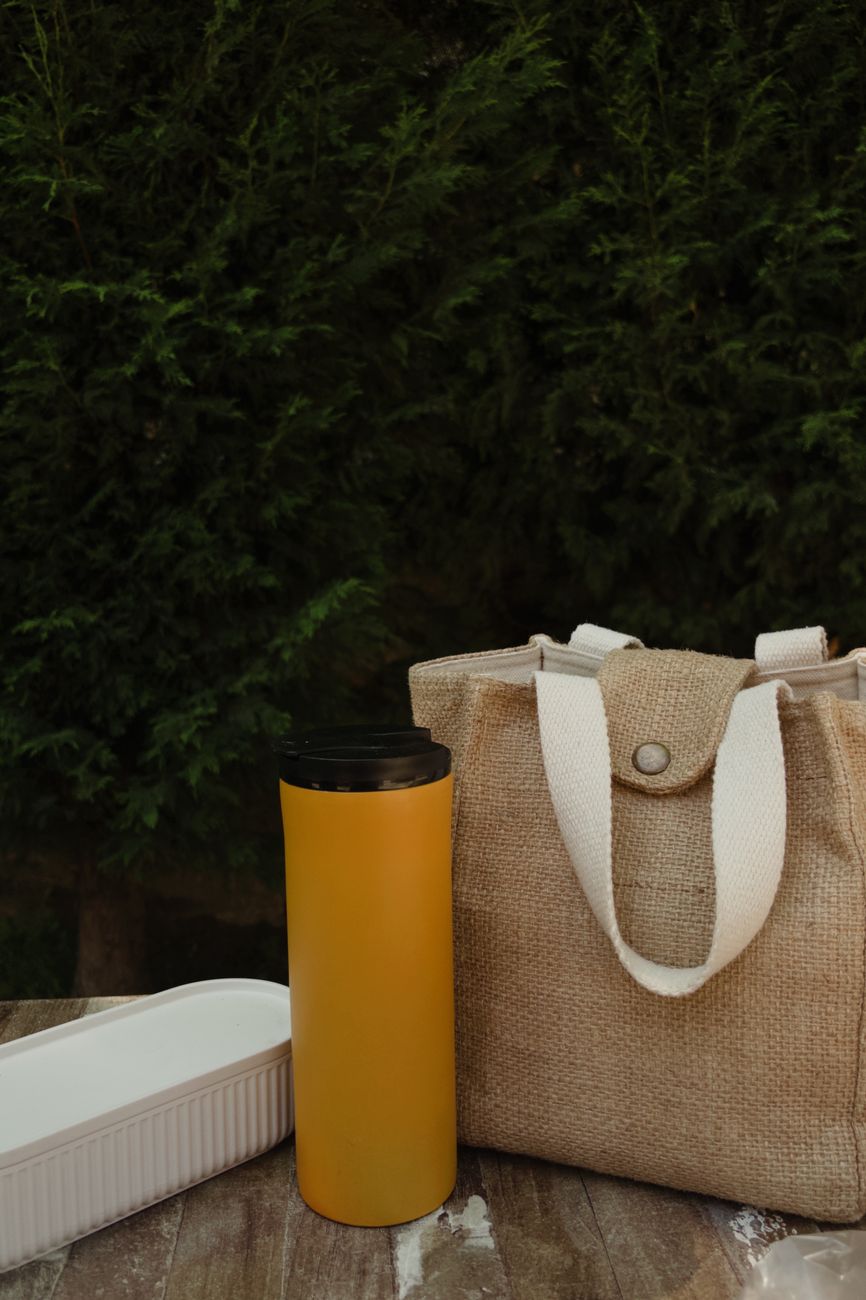
I pack lunch at 7 AM. I eat at noon. That is five hours. Most lunch boxes cannot keep food hot for five hours. Most claim they can. Most are lying.
After three months of cold soup — lukewarm at best, congealed and sad at worst — I decided to test the actual temperature retention of five popular insulated containers. I heated soup to 190°F, filled each container, and measured the temperature every hour for six hours. Here is what held heat and what did not.
The Testing Method
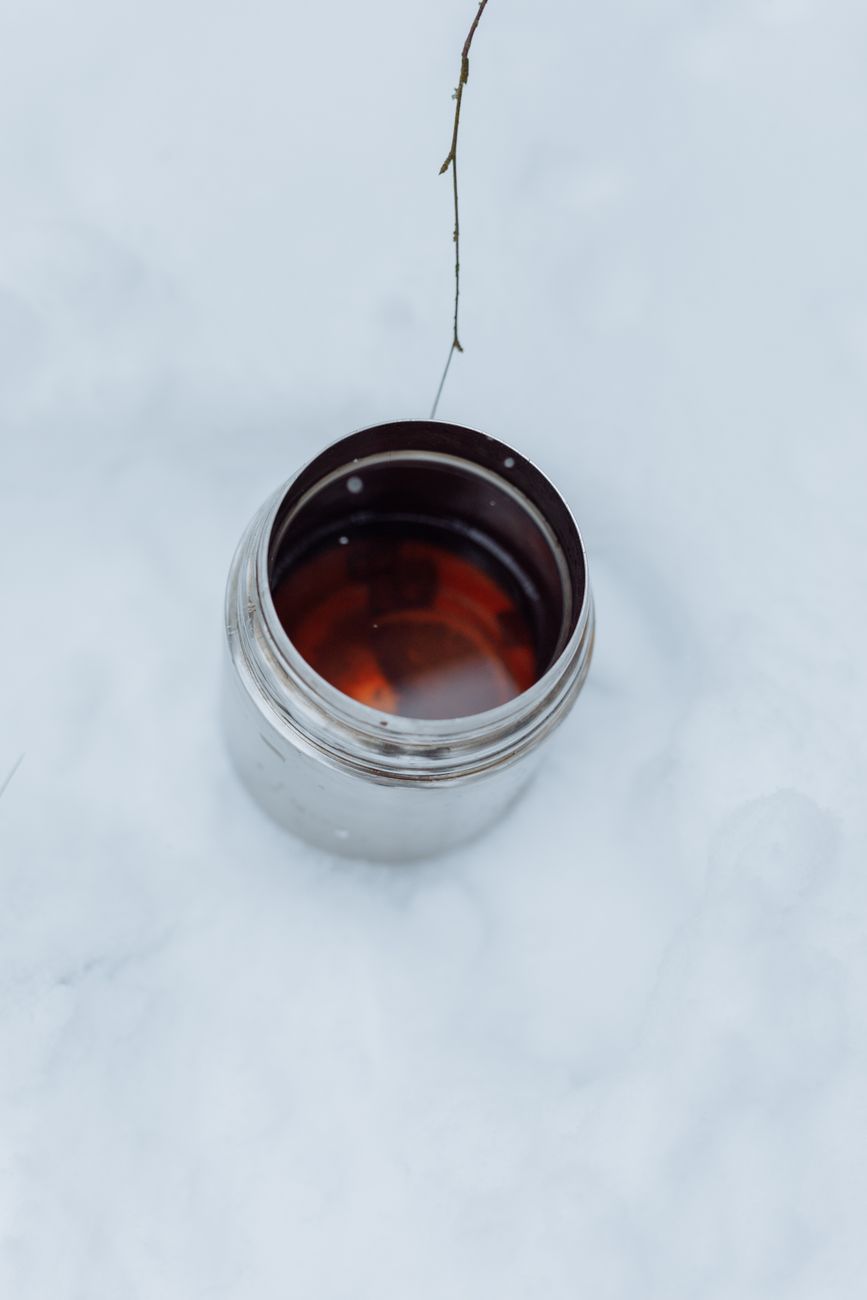
Same soup. Same starting temperature. Same room temperature (68°F). I opened each container once at the three-hour mark (to simulate a normal lunch routine) and measured temperatures with a digital probe thermometer. Every container was preheated with boiling water for five minutes before filling — if you do not preheat a thermos, you lose about 15 degrees immediately.
The Results
The clear winner: The vacuum-insulated stainless steel container with a wide mouth and silicone-sealed lid kept soup at 147°F after five hours. That is genuinely hot — too hot to eat without blowing on it. The key features: double-wall vacuum insulation (not foam), a lid that screws on with a silicone gasket (not a snap-on plastic lid), and a wide mouth that lets you eat directly from the container.
The runner-up: A slightly smaller container with similar vacuum insulation reached 138°F at five hours. Still hot enough to enjoy. The trade-off was capacity — it held about 16 ounces versus the winner’s 24 ounces.
The disappointments: Two foam-insulated containers dropped below 120°F within three hours. One had a plastic snap-on lid that leaked when tilted — a complete failure if you carry lunch in a bag with other items. The fifth container had good insulation but such a narrow opening that you needed a separate bowl to eat from it, which defeats the purpose of an all-in-one lunch solution.
What to Look For
- Vacuum insulation, not foam. Foam loses about 10 degrees per hour. Vacuum loses about 5.
- Screw-on lid with silicone gasket. Snap-on lids leak and let heat escape.
- Wide mouth. You want to eat directly from the container. Fewer dishes, better experience.
- Preheat it. Fill with boiling water for five minutes, dump it out, add hot food. This simple step adds 15 degrees to your final temperature.
Quick Summary: A vacuum-insulated stainless steel container with a screw-on silicone-gasket lid kept soup at 147°F after five hours — look for wide mouth, vacuum (not foam) insulation, and always preheat with boiling water.