I Was About to Throw Away My Fabric Lampshades Until My Cleaning Lady Showed Me This $3 Fix
My fabric lampshades were gray. Not the color gray — the dirt color gray. They were supposed to be cream. I had tried vacuuming them with the brush attachment, which sort of worked but left streaks. I tried a damp cloth, which just smeared the dust into a paste. I was ready to buy new ones.
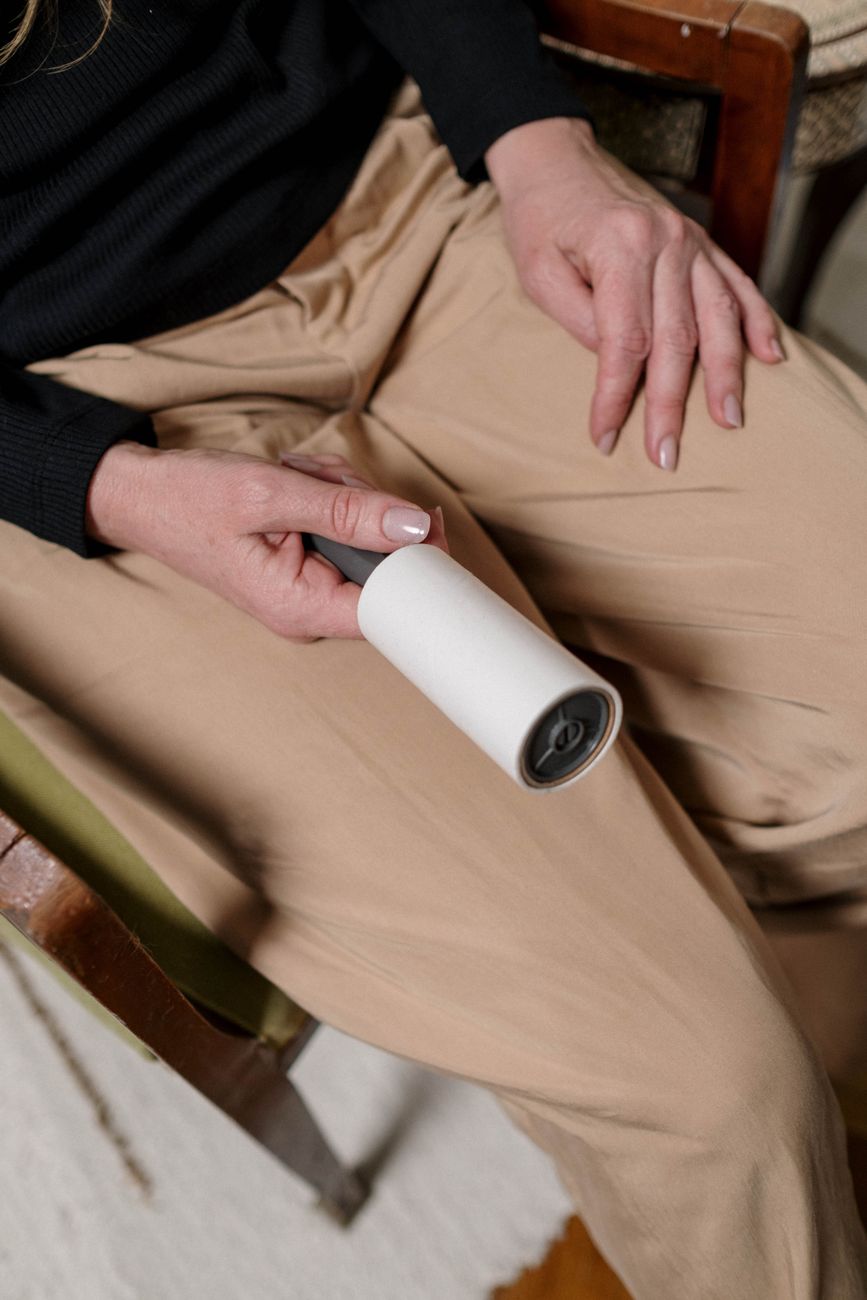
Then the woman who cleans my office once a month saw me struggling and pulled a lint roller out of her supply caddy. She rolled it across the lampshade in one smooth motion. The difference was immediate and kind of embarrassing — a clean stripe of cream on a gray background.
Why Lint Rollers Beat Every Other Method
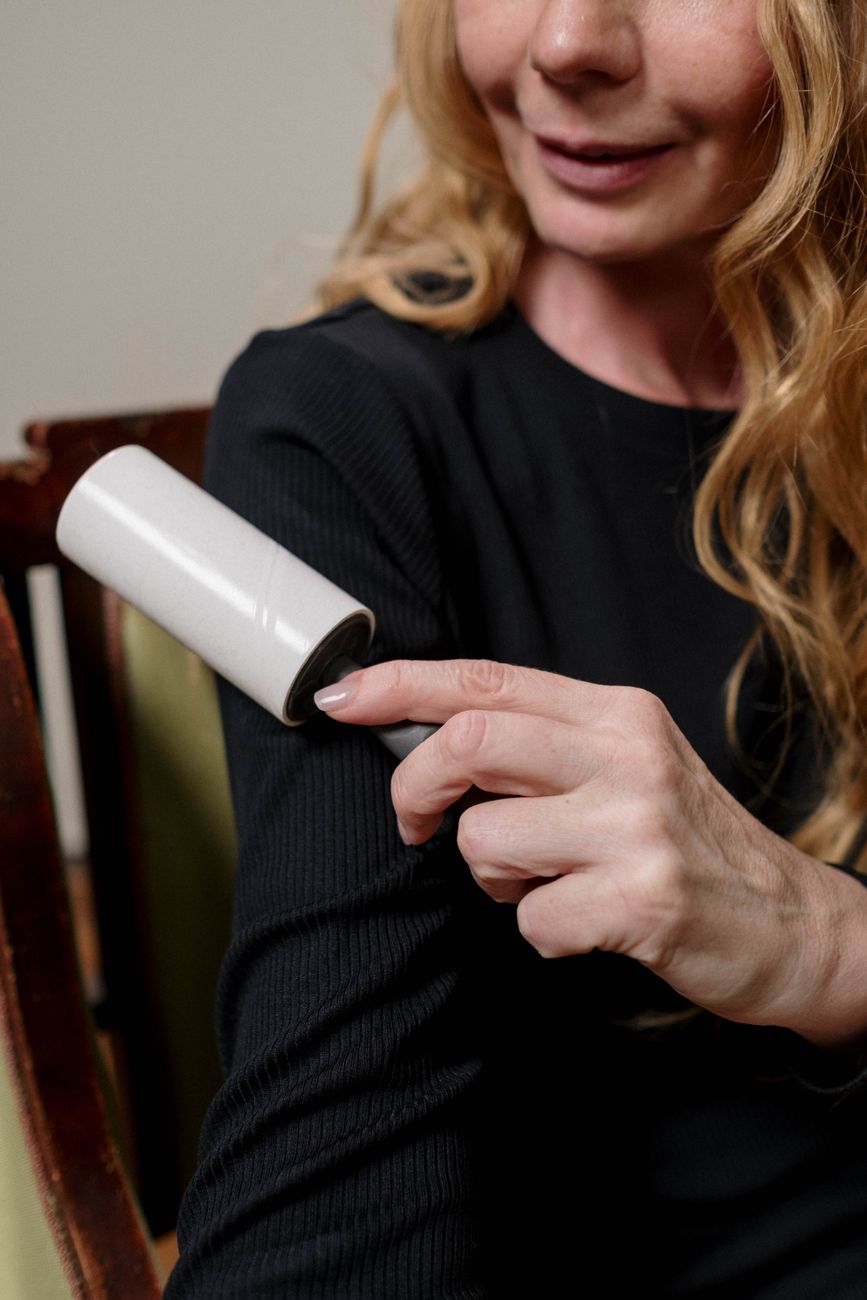
Vacuum brush attachments agitate dust — some of it goes into the vacuum, but plenty of it flies into the air and re-settles. Damp cloths push dust around and often make things worse by creating a muddy film. A lint roller lifts dust straight off with zero redistribution. What comes off stays on the tape.
This works on anything with a fabric surface: lampshades, fabric blinds, upholstered headboards, cloth-covered bulletin boards, even the fabric panels on some speakers.
The Technique That Makes It Work
- Start at the top of the surface and work down. Gravity is not your friend — dust falls as you work.
- Use short, firm rolls in one direction. Do not go back and forth — that re-deposits dust.
- Peel off the used sheet as soon as it loses stickiness. A fresh sheet picks up way more than a half-used one.
- For pleated shades, roll into each pleat individually. Do not try to do the whole thing flat — you miss the folds.
The Lint Roller Upgrade
Standard lint rollers are fine. But if you have a lot of fabric surfaces, the extra-sticky pet hair rollers are worth the extra two dollars. They pick up the fine dust that regular ones leave behind. I found one brand specifically — the kind with the red handle from the pet aisle — that works noticeably better on lampshade fabric.
One roller got both of my bedside lampshades from “needs replacing” to “looks brand new” in under five minutes. That is a thirty-dollar savings for a three-dollar roller.
What Else This Works On
After the lampshade victory, I got a little carried away. Here is what else it cleaned: fabric blinds (the horizontal kind that collect dust on every slat), the cloth panel on my office chair, a velvet pillow that had been gray for a year, and — this was the most satisfying — the fabric-covered front of my desktop computer case. All of them looked new.
Quick Summary: Use a lint roller (preferably the extra-sticky pet hair kind) to clean fabric lampshades, blinds, and upholstery — it lifts dust off without redistributing it like vacuums and cloths do.