How to Haggle at Thrift Stores Without Feeling Like a Jerk
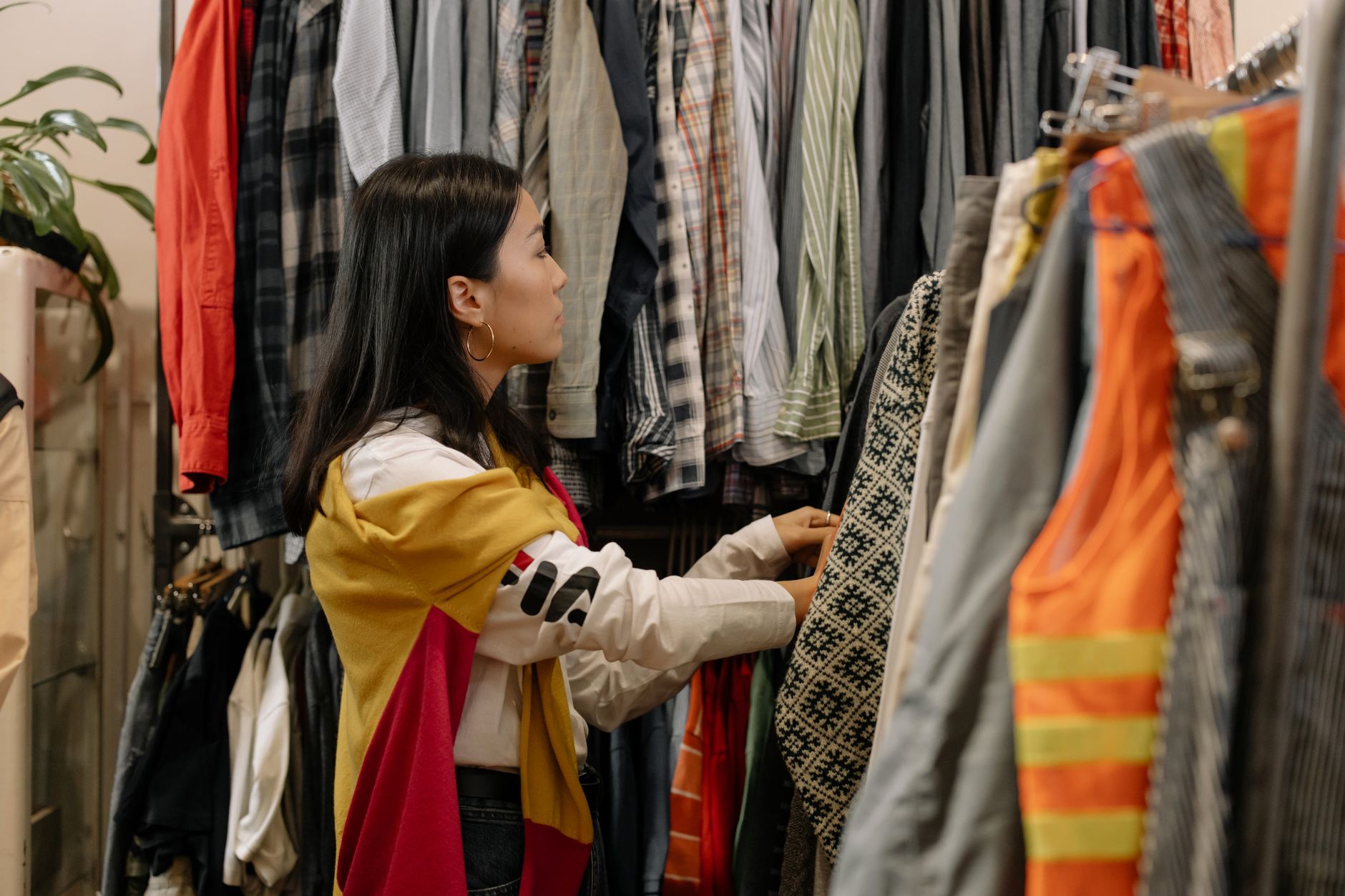
I bought a leather jacket at a thrift store for twenty dollars. The tag said thirty-five. I did not haggle — I asked two questions and let silence do the rest. The cashier looked at the jacket, looked at me, and said “twenty.” I had not even made an offer yet.
Haggling at thrift stores feels uncomfortable because Americans are not raised to negotiate. But thrift stores — especially independent ones, not chain stores like Goodwill — often expect some negotiation. The items are donated. The prices are suggestions. You are not taking food off the owner’s table.
When haggling is appropriate
- Independent thrift and consignment stores: These stores price items to move. The owner wants to sell. They have margin built in.
- Flea markets and antique malls: Haggling is expected. Not haggling is almost impolite — like leaving a tip at a restaurant.
- Facebook Marketplace and garage sales: Same. Negotiation is part of the transaction.
Do not haggle at chain stores with fixed pricing — Goodwill, Salvation Army, Savers. The cashier has no authority to change prices and asking puts them in an awkward position.
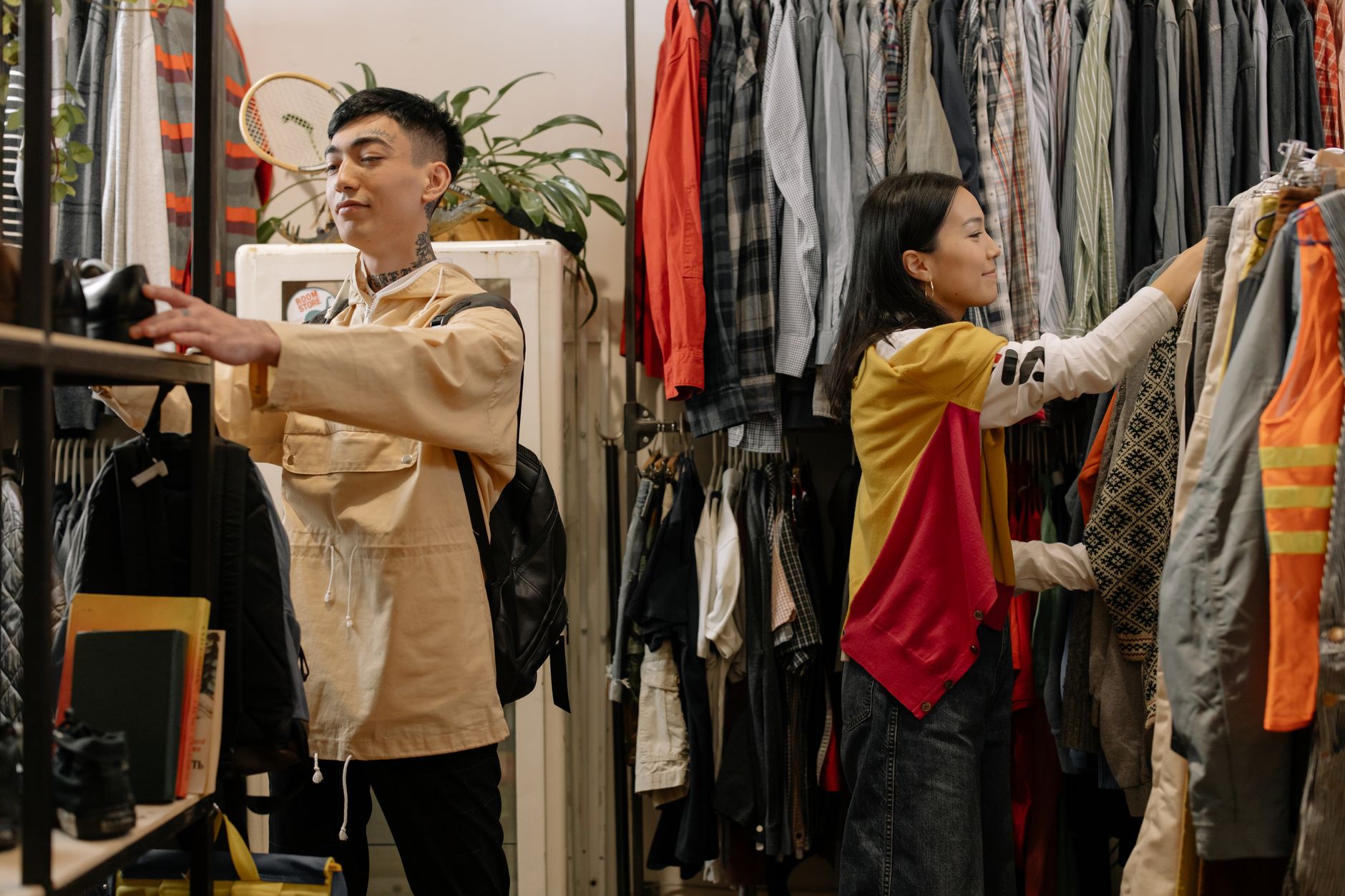
How to ask without being pushy
- Find a reason: “I noticed this has a small stain on the sleeve” or “this lamp is missing the bulb” or even just “this has been here for a while, right?” — any observation that justifies asking for a lower price without directly saying “this is too expensive.”
- Ask, do not demand: “Is there any flexibility on the price?” or “Would you take fifteen instead of twenty?” The question format gives them an easy out. A demand does not.
- Bundle items: “If I take these three shirts, can you do twenty for all of them?” Bundling makes the negotiation feel less like haggling and more like a bulk discount — socially easier for everyone.
- Accept the first answer: If they say no, say “no problem, I will take it at the tagged price anyway” or “thanks, I will think about it.” Do not push a second time. Pushing turns you from a friendly negotiator into a jerk.
The silence trick
This is the most effective technique and it requires almost no talking. Pick up an item. Examine it. Look at the price tag. Look at the item again. Say “hmm.” Then be quiet. The cashier will often fill the silence with a lower price. Silence makes people uncomfortable and they negotiate against themselves. I have gotten discounts on things I was perfectly willing to pay full price for simply by not saying anything for three seconds.
What I do not do
I do not haggle on items under five dollars. That is just being cheap, not smart. I do not haggle when the store is busy and the cashier is stressed. I do not tell a sob story — “I really need this for” whatever. That is manipulative. The item is worth what it is worth to you. Pay it or ask politely for less. No stories needed.
That leather jacket has been my winter coat for three years. Twenty dollars. I have spent more on bad takeout. The only reason I got that price is because I stood there quietly and let someone else make the offer.
📋 Quick Summary: Haggle at independent thrift stores and flea markets by asking “is there any flexibility on the price?” Bundle items for a bulk discount. Use silence — the seller often names a lower price before you do. Accept the first answer and never push.