The Electric Kettle That Boils Water Faster Than Your Stove and Uses Less Energy
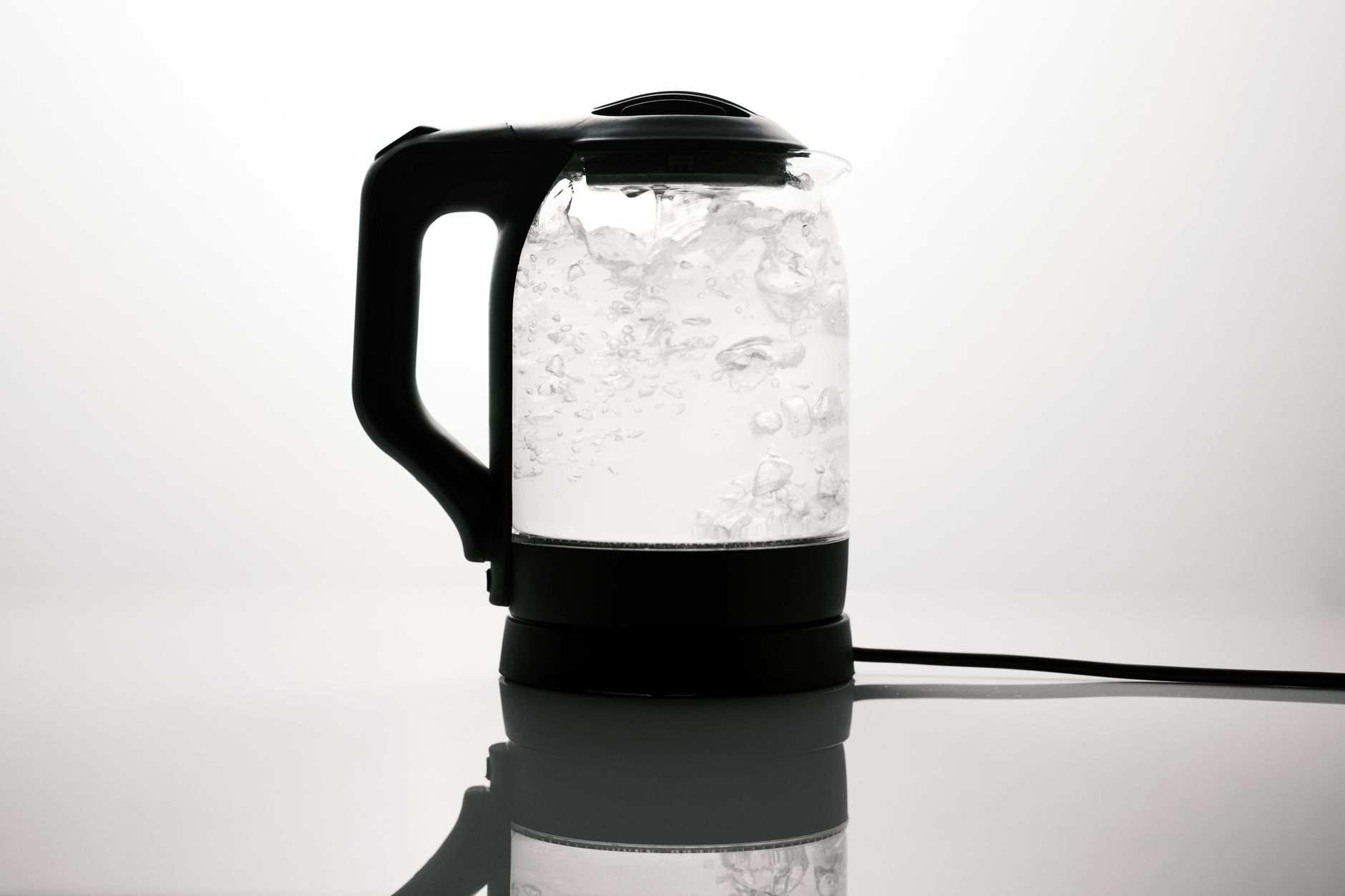
I timed it. My gas stove takes seven and a half minutes to bring a full kettle to a boil. The electric kettle on my counter does it in three minutes forty seconds. That is nearly twice as fast. Over a year of making coffee and tea and instant oatmeal, those saved minutes add up to hours.
The speed difference was not a surprise. The energy savings were.
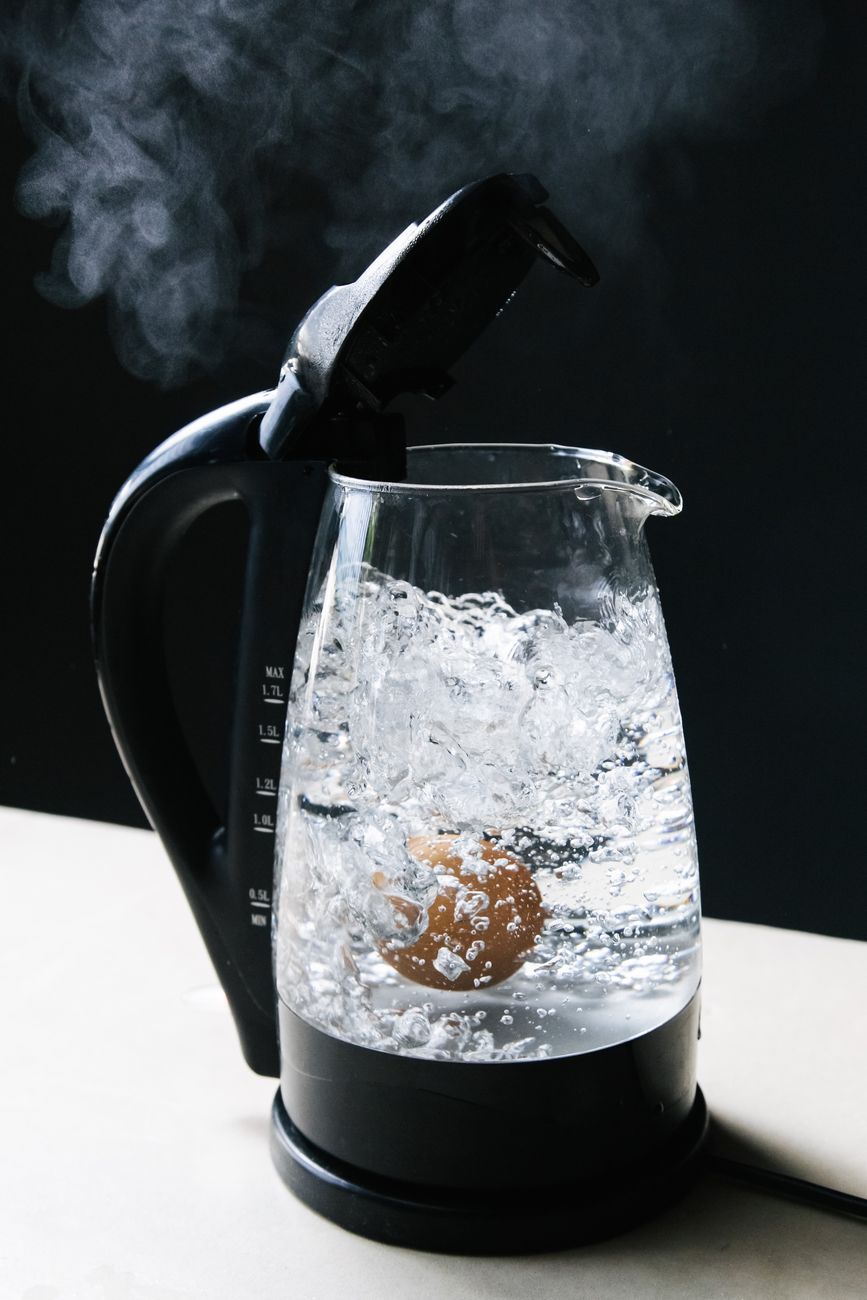
Gas vs Electric Kettle: The Numbers
A gas stove loses about 60% of its heat to the surrounding air. Only about 40% of the energy from the flame actually transfers into the pot or kettle. An electric kettle has the heating element inside the water. Nearly all the energy goes directly into heating the liquid — efficiency runs around 80-85%.
If you boil water once a day, switching to an electric kettle saves roughly $15-25 per year on gas or electricity costs. It is not life-changing money, but when the kettle itself costs $30-40, it pays for itself in under two years on energy savings alone — before you even factor in the time saved.
What to Look For
- Variable temperature control. Different drinks need different temperatures. Coffee is best at 195-205°F. Green tea at 175°F. Boiling water scorches green tea and makes it bitter. A kettle with preset buttons for each type pays for itself in better-tasting drinks.
- Double-wall insulation. The outside stays cool to the touch even when the water inside is boiling. More importantly, the water stays hot longer after boiling — useful if you are making multiple cups.
- 1500 watts minimum. Anything lower and you are waiting almost as long as the stove. Most good electric kettles are 1500W.
- Stainless steel or glass body. Plastic kettles are cheaper but can impart a slight taste to the water over time, especially with repeated boiling.
After six months with a variable-temperature kettle, I cannot go back. The coffee tastes better. The tea is not bitter. And I have not stood over a stove waiting for water to boil in half a year.
📋 Quick Summary: Electric kettles boil water twice as fast as a stove because the heating element sits inside the water. Variable temperature control prevents scorched coffee and bitter tea. Pays for itself in under two years on energy savings.