The Electric Toothbrush That Dentists Actually Recommend Under 30 Dollars
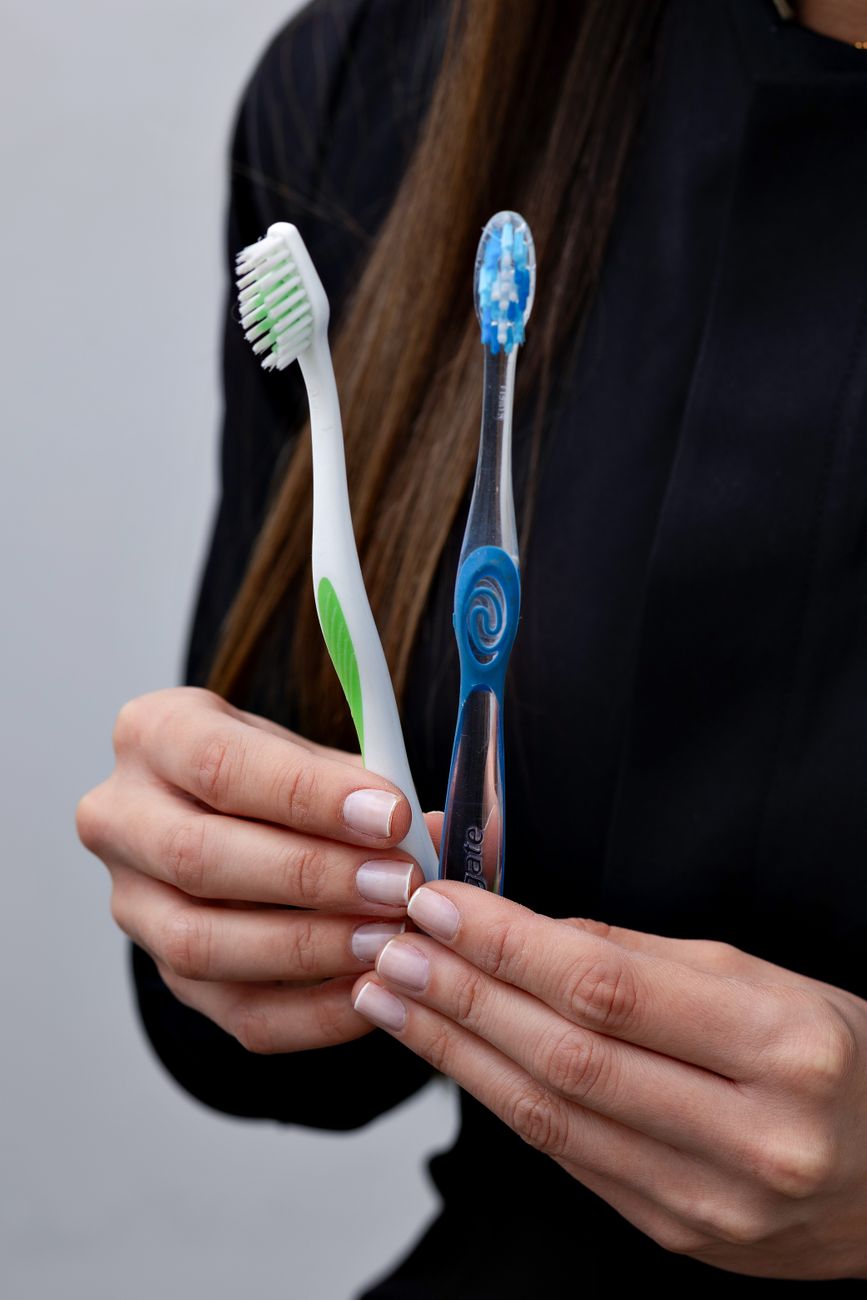
My dentist told me my brushing was “aggressive but ineffective” — which is dentist code for “you’re scrubbing too hard and missing half your teeth.” She recommended an electric toothbrush with a pressure sensor and a two-minute timer. Then I looked at the price of the one she recommended. Sonicare DiamondClean: two hundred dollars. I nearly choked on the fluoride rinse.
You do not need to spend triple digits on an electric toothbrush. The Oral-B Pro 1000 costs about twenty-five to thirty dollars depending on sales, and it has the two features that actually matter: a pressure sensor and a timer. It’s been the top recommendation from Wirecutter and actual dental professionals for years.
The two features that actually matter
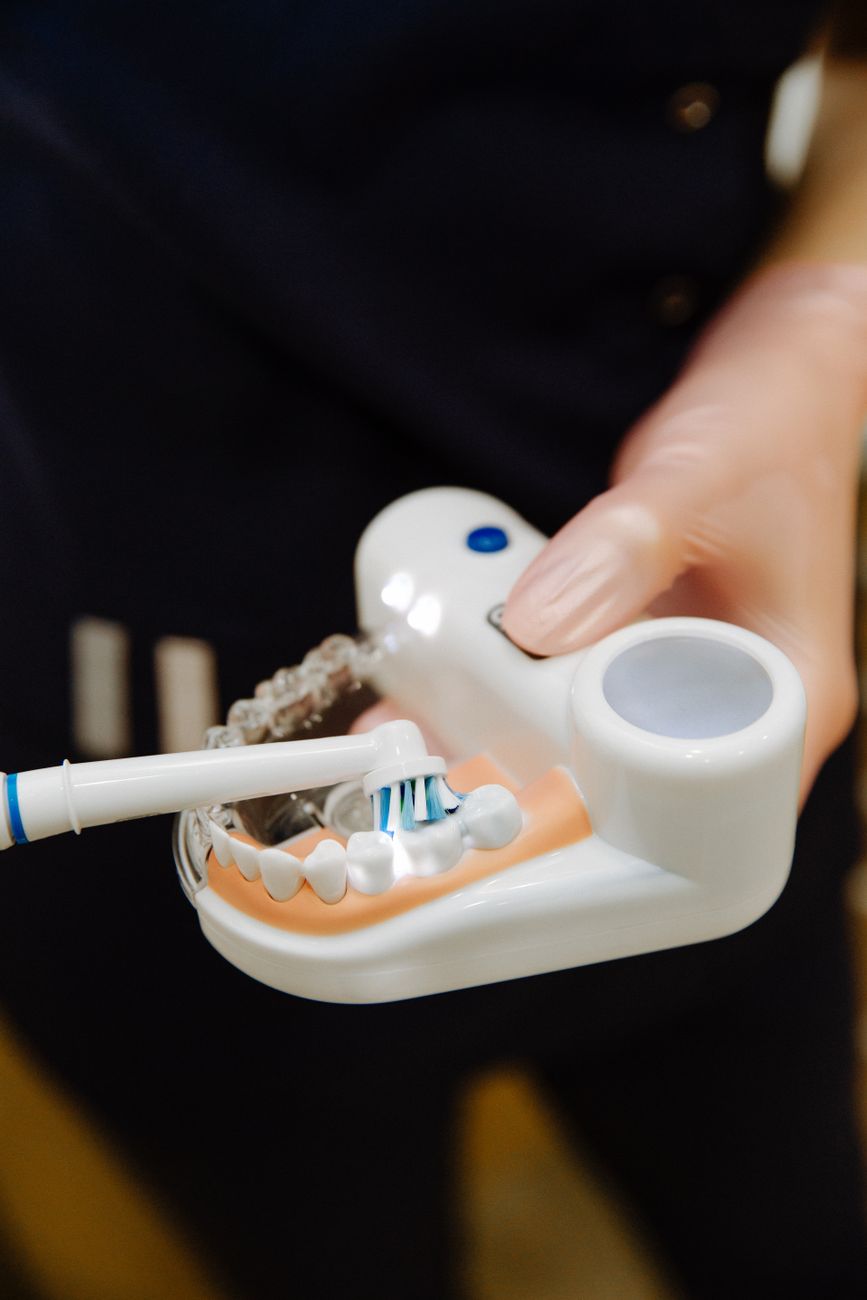
Pressure sensor: If you press too hard, the brush either stops pulsating or lights up a red indicator. Brushing harder does not clean better — it wears down your enamel and causes gum recession. The pressure sensor trains you out of the scrubbing habit.
Two-minute timer with 30-second quadrant pacing: The brush vibrates briefly every 30 seconds to tell you to move to a different quadrant of your mouth. The goal is 30 seconds per quadrant — upper right, upper left, lower right, lower left. Most people brush for about 45 seconds total and skip their back molars entirely. The timer fixes this.
That’s it. Those are the only features that have clinical evidence behind them. Everything else — Bluetooth connectivity, multiple brushing modes, app integration — is marketing. Your dentist does not care if your toothbrush has an app.
Oral-B vs Sonicare: the actual difference
Oral-B brushes use a small round oscillating head that rotates back and forth around each tooth. Sonicare brushes use a rectangular head that vibrates side-to-side at high frequency. Both clean equally well according to basically every head-to-head study. The difference is feel — the round Oral-B head is more focused on individual teeth, the Sonicare head covers more surface area but feels different.
Replacement brush heads are where the money goes long-term. Oral-B replacement heads cost about five to six dollars each when bought in multi-packs, and you need to replace them every three months. Sonicare heads are slightly more expensive — seven to eight dollars. Over five years, the Oral-B Pro 1000 plus replacement heads will cost about $130 total. The Sonicare DiamondClean plus heads: about $340. Same cleaning. Half the price.
My experience after switching
The first time I used it, my gums bled a little. This is normal when you switch from manual to electric — you’re actually cleaning below the gum line for the first time. After about a week, the bleeding stopped. At my next cleaning, my hygienist said “whatever you’re doing, keep doing it.” I told her I bought a thirty-dollar toothbrush. She nodded like that made perfect sense.
- Oral-B Pro 1000: $25-30, pressure sensor + 2-minute quadrant timer
- Only two features matter: Pressure sensor and timer — everything else is marketing
- Replacement heads: $5-6 each, replace every 3 months
- Oral-B vs Sonicare: Both clean equally — Oral-B heads are cheaper long-term
- Bleeding gums initially: Normal when switching from manual — stops within a week
📋 Quick Summary: The Oral-B Pro 1000 ($25-30) has the only two features with clinical evidence — pressure sensor and quadrant timer — and cleans just as well as a $200 Sonicare. Replacement heads are $5-6 every three months, and the Bluetooth/app features on expensive models are just marketing.