Why I Now Winterize My Garden in October (Not November)

I used to be a November gardener. Every year, the first frost would send me scrambling outside in pajamas at midnight, wrapping delicate plants in old bedsheets and praying. It never worked well. One particularly cold November night, I lost my entire rosemary hedge, three rose bushes, and a fig tree I had been nurturing for five years. Standing in the frozen garden the next morning, looking at what amounted to a plant cemetery, I promised myself I would change.
Understanding the Problem
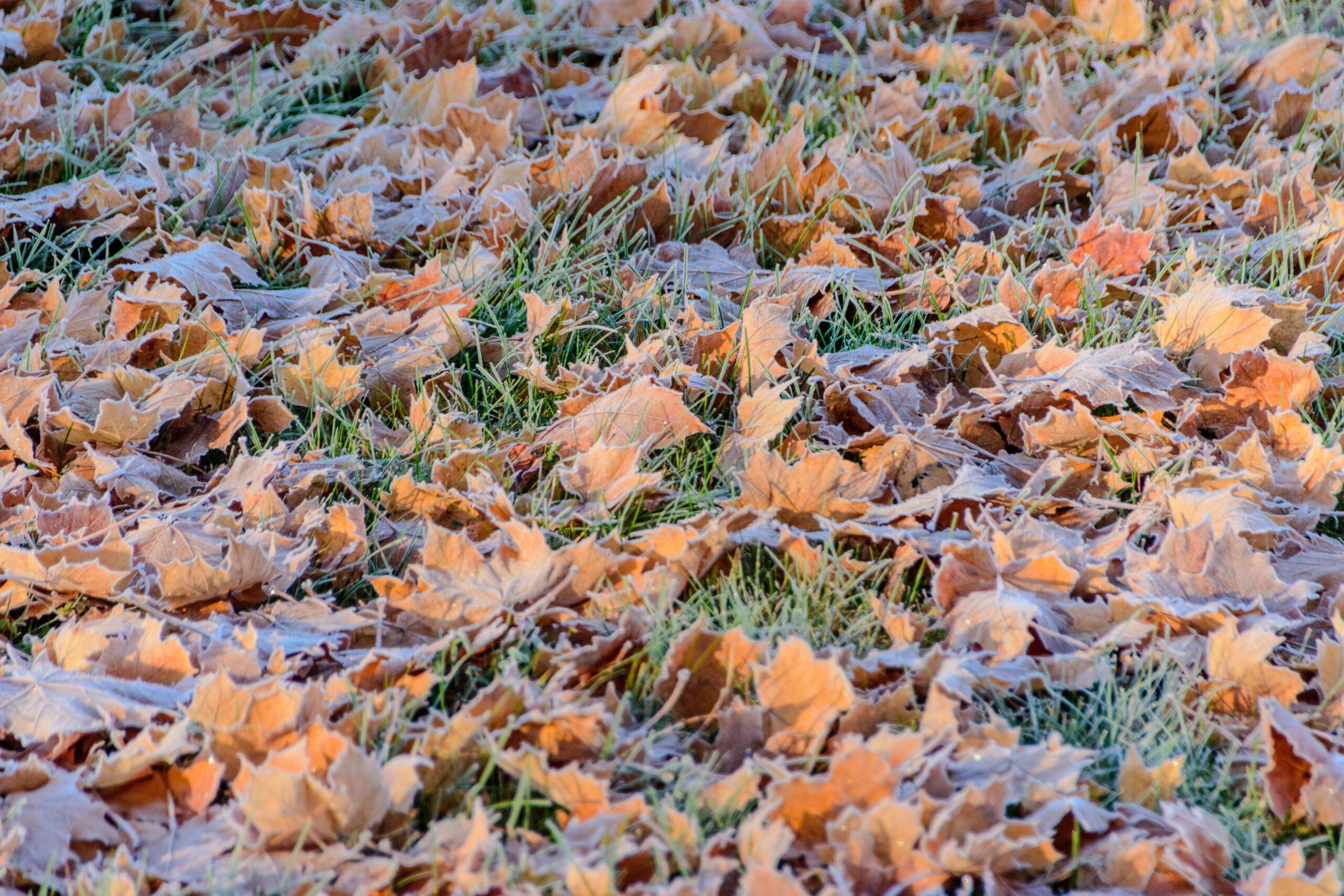
📸 Photo by Serg Karpow on Pexels
The problem was not ignorance, it was procrastination. I knew what needed to be done. I had the supplies. I just kept telling myself I had one more weekend. The weather forecast always seemed manageable until suddenly it was not. That fig tree in particular hurt. I had bought it as a tiny sapling at a farmers market, and my daughter named it Figgy Smalls. It had just produced its first real harvest that summer. Losing it felt like losing a pet.
Now I start winterizing on October first, no exceptions. I mark it on the calendar with a red sharpie and treat it like a work deadline. The first thing I do is walk the garden with a notebook and catalog every plant that needs protection. Perennials get cut back to about four inches above the soil line. I mulch everything with a thick layer of shredded leaves, which I collect throughout October by running the mower over fallen leaves with the bag attached. Free mulch, and it works better than anything store-bought.
The Proven Solution
For tender shrubs and young trees, I wrap them in burlap, not plastic. I learned that plastic creates a greenhouse effect on sunny winter days, confusing the plant into thinking spring has arrived, then the cold snaps back and kills the new growth. Burlap breathes. For my replacement fig tree, I built a simple cage from chicken wire, filled it with straw, and wrapped the outside in burlap. It looks ridiculous, like a scarecrow that gave up on life, but that tree has survived three winters now.
I also drain and store all my hoses, shut off outdoor water lines, and empty decorative pots that would crack if water froze inside them. One year I forgot a ceramic pot on the patio and found it in three pieces come spring. The terracotta saucers I left out all shattered. These are small expenses individually but they add up fast. Now everything comes inside the shed.
The biggest change I made was installing a simple rain gauge and keeping a garden journal. I write down when I winterized, what methods I used, and how each plant fared. The following spring, I review those notes and adjust. Last year I learned that my lavender actually prefers less mulch, not more, because it is prone to rot. I would never have figured that out without tracking it. October garden prep has become a ritual I genuinely look forward to. There is something deeply satisfying about tucking your garden in for winter, knowing you have given every plant its best chance.