How to Fall Asleep in Under 10 Minutes Without Medication
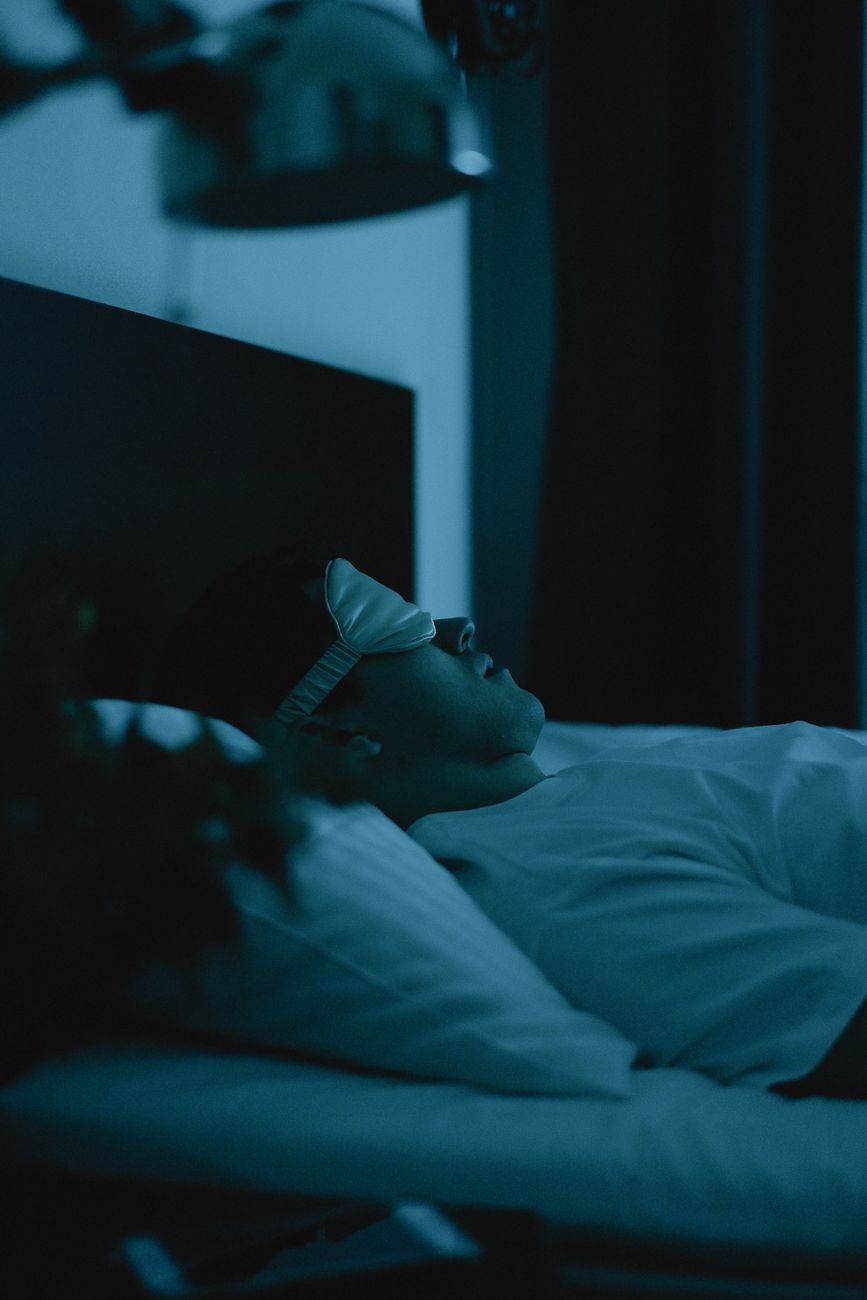
There was a stretch last year where I would lie in bed for an hour, sometimes two, staring at the ceiling and mentally replaying every awkward conversation I had ever had. The more I tried to fall asleep, the more awake I felt. Sleeping pills made me groggy the next morning. Melatonin gave me weird dreams. I needed something that worked with my brain instead of drugging it into submission.
The military has a method for this. Pilots who need to be sharp in six hours but cannot turn off their brains use a breathing technique designed to trigger the parasympathetic nervous system — the part that says “rest and digest” instead of “fight or flight.” I tried it. The first night took about eight minutes. By night four, I was asleep in under two.

The 4-7-8 Breathing Method (The Military Sleep Technique)
Lie on your back. Place the tip of your tongue against the ridge of tissue behind your upper front teeth — keep it there the whole time. Breathe in through your nose for 4 seconds. Hold your breath for 7 seconds. Exhale through your mouth for 8 seconds, making a whooshing sound around your tongue. That is one cycle. Do four cycles. The extended exhale forces your heart rate to slow down, and the counting occupies your brain enough that it stops spinning on its own. The first few nights it will feel awkward. Stick with it.
Progressive Muscle Relaxation for Physical Tension
Start at your feet. Tense the muscles in your toes as hard as you can for 5 seconds, then release completely for 10 seconds. Feel the difference between tension and relaxation. Move up: feet → calves → thighs → stomach → chest → hands → arms → shoulders → neck → face. By the time you reach your face, your whole body will feel heavy. I realized doing this that I was holding tension in my jaw and shoulders without even knowing it — and releasing that made my pillow feel like a cloud.
Get Out of Bed If You Are Still Awake After 20 Minutes
This sounds counterproductive but it is the single most important rule of sleep hygiene: your brain must associate your bed with sleep, not with lying awake frustrated. If you have been in bed for 20 minutes and cannot sleep, get up. Go to another room. Do something boring in dim light — read a physical book, sort socks, listen to a calm podcast. No phone. No screens. Go back to bed only when you feel sleepy. The first few nights you might get up two or three times. That is normal. Within a week, your brain learns that bed equals sleep.
Cool the Room — Seriously, This Is Non-Negotiable
Your body needs to drop its core temperature by about 1-2 degrees Fahrenheit to initiate sleep. The ideal bedroom temperature is 65-68 degrees Fahrenheit. A warm room fights this process. If you cannot lower the thermostat, take a warm bath or shower an hour before bed — the post-bath cooldown tricks your body into the temperature drop it needs. I started setting my thermostat to 66 at night and my sleep latency (the time it takes to fall asleep) dropped by about 15 minutes on average.
The Cognitive Shuffle: Give Your Brain Busy Work
Counting sheep does not work because it is too easy — your brain wanders back to worrying. Instead, pick a random five-letter word (like “PLANE”). For each letter, think of as many words starting with that letter as you can: P — pancake, pencil, parrot, planet… Then move to L: lamp, lemon, ladder… By the time you finish all five letters, your brain has been too busy to worry, and you are usually asleep. This is called the cognitive shuffle and there is actual research behind it. I use it on nights when 4-7-8 breathing is not enough.
📋 Quick Summary: 4-7-8 breathing (4 in, 7 hold, 8 out) triggers the calm-down system. Progressive muscle relaxation releases hidden tension. Get out of bed after 20 minutes — break the awake-in-bed cycle. Cool room to 65-68 degrees. Cognitive shuffle: pick a word, list words for each letter. No screen, no clock-watching, no fighting your brain.