How to Keep Pets Cool and Safe During Summer Heat
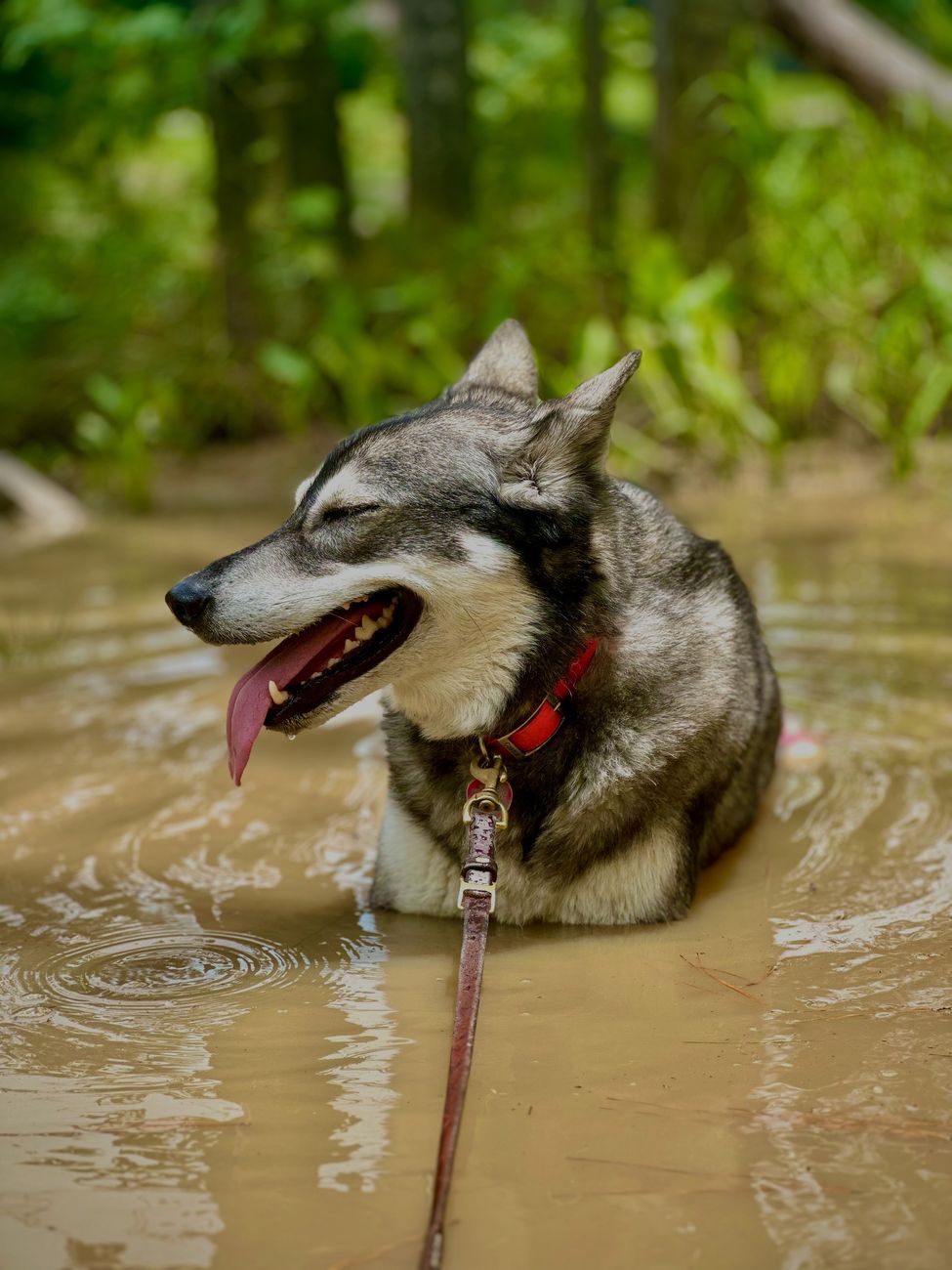
Last July, my neighbor’s dog — a fluffy golden retriever named Gus — started panting so hard on a walk that his tongue turned almost purple. My neighbor panicked. I ran inside and grabbed a wet towel and a bowl of cool (not cold) water. We wrapped his paws and belly in the towel and let him drink slowly. He was fine. But we were about 15 minutes from a very different outcome.
Dogs and cats cannot cool themselves the way we do. They have very few sweat glands — mostly in their paw pads. Panting is their main cooling mechanism, and in high humidity, it barely works. Here is how to keep them safe when the temperature climbs.
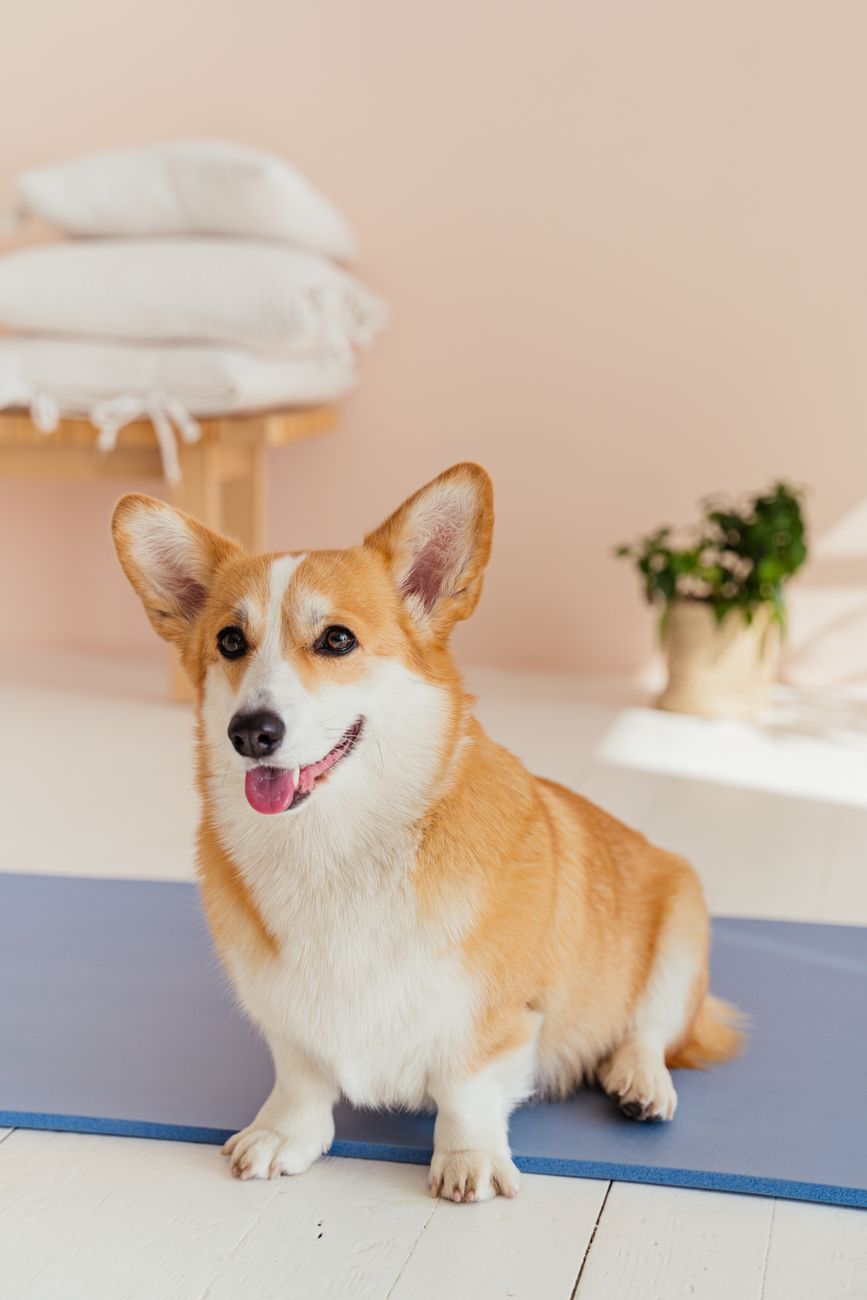
Never Leave a Pet in a Parked Car — Not Even for “Just a Minute”
The inside of a car hits 120 degrees Fahrenheit within 10 minutes on an 85-degree day. Cracking a window does almost nothing. In 30 minutes, it can reach 140 degrees. A dog can suffer heatstroke at 106 degrees internal temperature. This is not a “be careful” situation — it is a never do it situation. If you see a dog locked in a hot car, call animal control or the non-emergency police line immediately.
Walk Early or Late — Check the Pavement First
Press the back of your hand against the pavement for seven seconds. If it is too hot for your hand, it is too hot for paw pads. Asphalt can reach 140 degrees in direct sun — hot enough to burn paw pads in under a minute. Walk before 8 a.m. or after 7 p.m. in summer. Stick to grass or dirt paths when possible. Dog booties look silly but they work — Gus wears them now.
Cooling Mat, Fan, and Fresh Water
Get a pressure-activated cooling mat — no electricity needed, just a gel core that absorbs body heat. Place it in a shaded spot with a fan blowing across it. Fresh water in multiple bowls around the house, refreshed at least twice a day. Add ice cubes to the water — many dogs love bobbing for them. My cat ignores the mat entirely but will drink from any glass of water I leave unattended, so I leave “decoy” water glasses for her near her favorite sleeping spots.
Signs of Heatstroke: Know Them Before You Need Them
Excessive panting that does not slow down after resting. Bright red or purple gums and tongue. Thick, sticky saliva. Wobbliness or collapsing. Vomiting or diarrhea. If you see these, get the animal to shade immediately. Apply cool (not ice-cold) water to ears, belly, and paw pads. Offer small amounts of water. Do not force drinking. Get to a vet as fast as you can — heatstroke can cause organ failure within hours.
Indoor Cats Need Cooling Too
Cats handle heat better than dogs but can still overheat. Close curtains on sun-facing windows during peak hours. Put a frozen water bottle wrapped in a towel in their favorite napping spot. Brush them more often — excess undercoat traps heat. And if your cat is panting at all, that is a red flag — cats almost never pant, and when they do, it means they are far too hot.
📋 Quick Summary: Never leave pets in a car. Walk early/late and check pavement with your hand. Cooling mat + fan + fresh water with ice. Know heatstroke signs: heavy panting, red gums, wobbliness. Indoor cats need closed curtains and frozen bottle wraps. Fifteen minutes can be the difference between a scare and a tragedy.