Holiday Light Untangling Hack That Actually Works
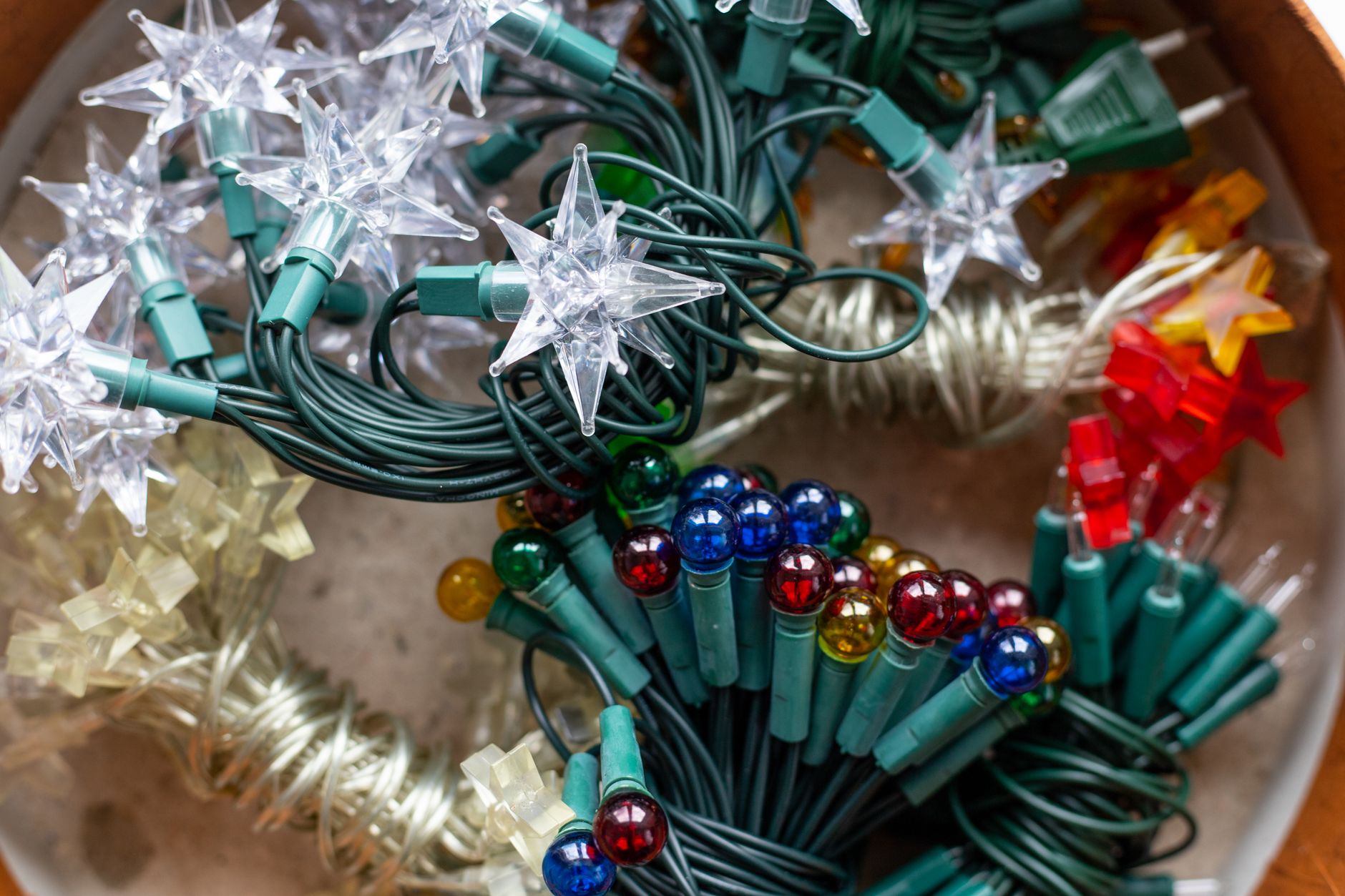
I spent forty-five minutes untangling Christmas lights one year. Not an exaggeration — I timed it. The knot was the size of a basketball and had been sitting in a storage bin for eleven months, fusing into a plastic-and-wire nightmare.
The next year, I spent an extra three minutes putting the lights away properly. When December came, I pulled them out and they were ready to hang. No untangling. I almost cried from the sheer efficiency of it. Here is the system.
The cardboard wrap method
This is the classic for a reason. Cut a rectangular piece of cardboard roughly 12 by 6 inches — an old shipping box works perfectly. Cut a notch at one end. Wrap the light string around the cardboard in a figure-eight pattern, starting with the plug end tucked into the notch. This prevents the string from unwinding and keeps both ends accessible.

The figure-eight pattern is the key. Wrapping in circles creates tension that twists the wire. The figure-eight alternates direction with each pass, canceling out the twist. Your lights come off the cardboard in the same condition they went on.
The cord reel for serious setups
If you string lights across your entire roofline — the kind of display that makes your house visible from space — get a retractable extension cord reel. Fifteen dollars at any hardware store. Wind the lights onto the reel, one string per reel. Next year, walk the reel along the roofline and the lights spool off without a single tangle.
Label each reel with a piece of masking tape: “front roofline,” “porch rails,” “tree.” When December hits, you know exactly which reel goes where.
Test before you store
This is the step everyone skips and regrets. Plug in every string before you pack it away. A dead string discovered in December means an emergency trip to the store during the busiest shopping week of the year. A dead string discovered in January when you are taking them down means you have eleven months to buy a replacement on clearance.
Replace burned-out bulbs immediately. A single dead bulb in an older string can prevent the entire string from lighting if the bulbs are wired in series. Newer LED strings do not have this problem — they stay lit even with a failed bulb — but you should still replace dead bulbs before storage so you are not doing it in the cold next year.
The bin that prevents crushing
Do not stuff lights into a bin and pile heavy things on top. The weight crushes bulbs and bends wires, creating weak points that fail when you plug them in next season. Store lights in a dedicated, lightweight plastic bin on top of the heavier bins, not underneath them. The bin costs five dollars. Replacing broken light strings costs more.
📋 Quick Summary: Wrap lights in a figure-eight around a cardboard rectangle, use a cord reel for roofline displays, test every string before storing, and keep lights in a lightweight dedicated bin on top of heavier storage. Three minutes of effort saves forty-five of untangling.