Stop Overcooking Your Salmon — The 10-Minute Rule
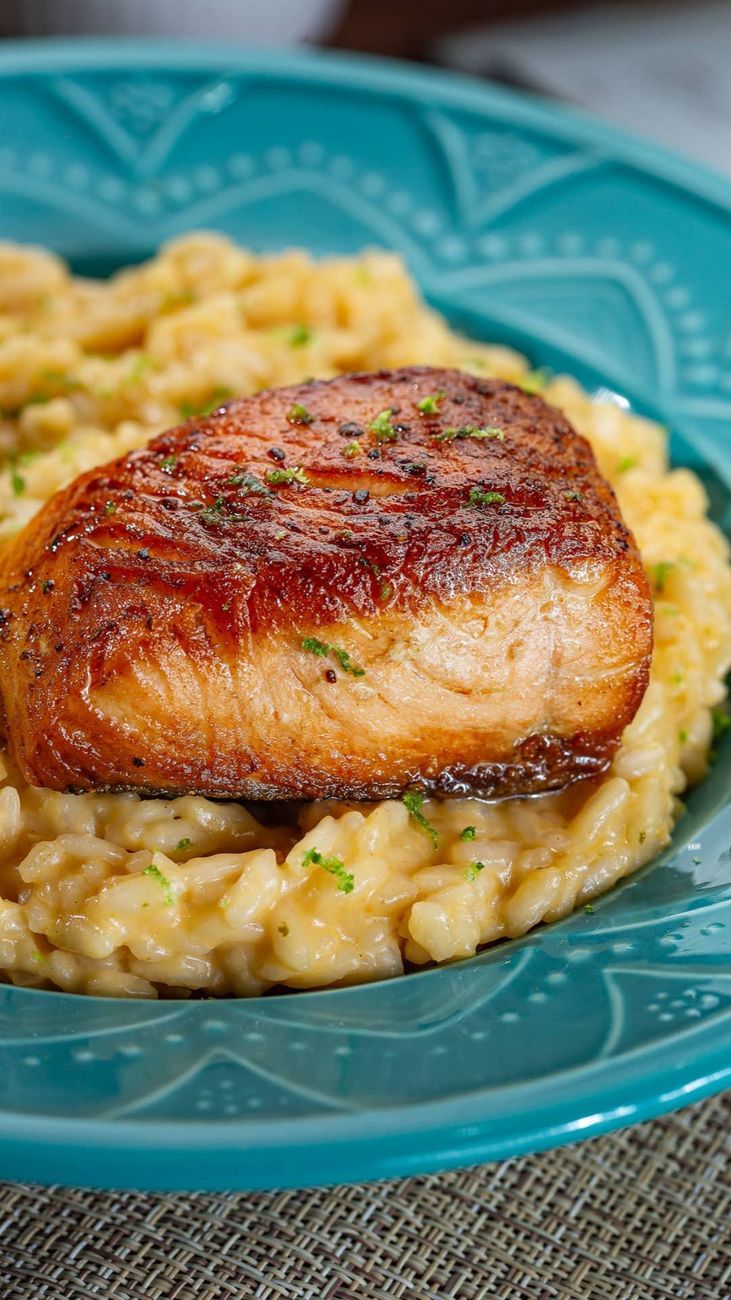
I ruined salmon for years. Dry, chalky, white albumen oozing out of the surface — the fish equivalent of a well-done steak. I thought I just did not like salmon that much. Turns out I had never eaten properly cooked salmon.
A chef at a seafood restaurant told me the rule that changed everything: “Ten minutes total, per inch of thickness, at any cooking temperature.” That is it. No thermometer, no guesswork, no cutting into the fish to check. Here is why it works and how to use it.
The Canadian fish rule
This rule originated with the Canadian Department of Fisheries, not chefs. Governments have a vested interest in people not ruining fish. The original guideline was 10 minutes per inch of thickness at 400 to 450 degrees Fahrenheit, measured at the thickest point of the fillet.
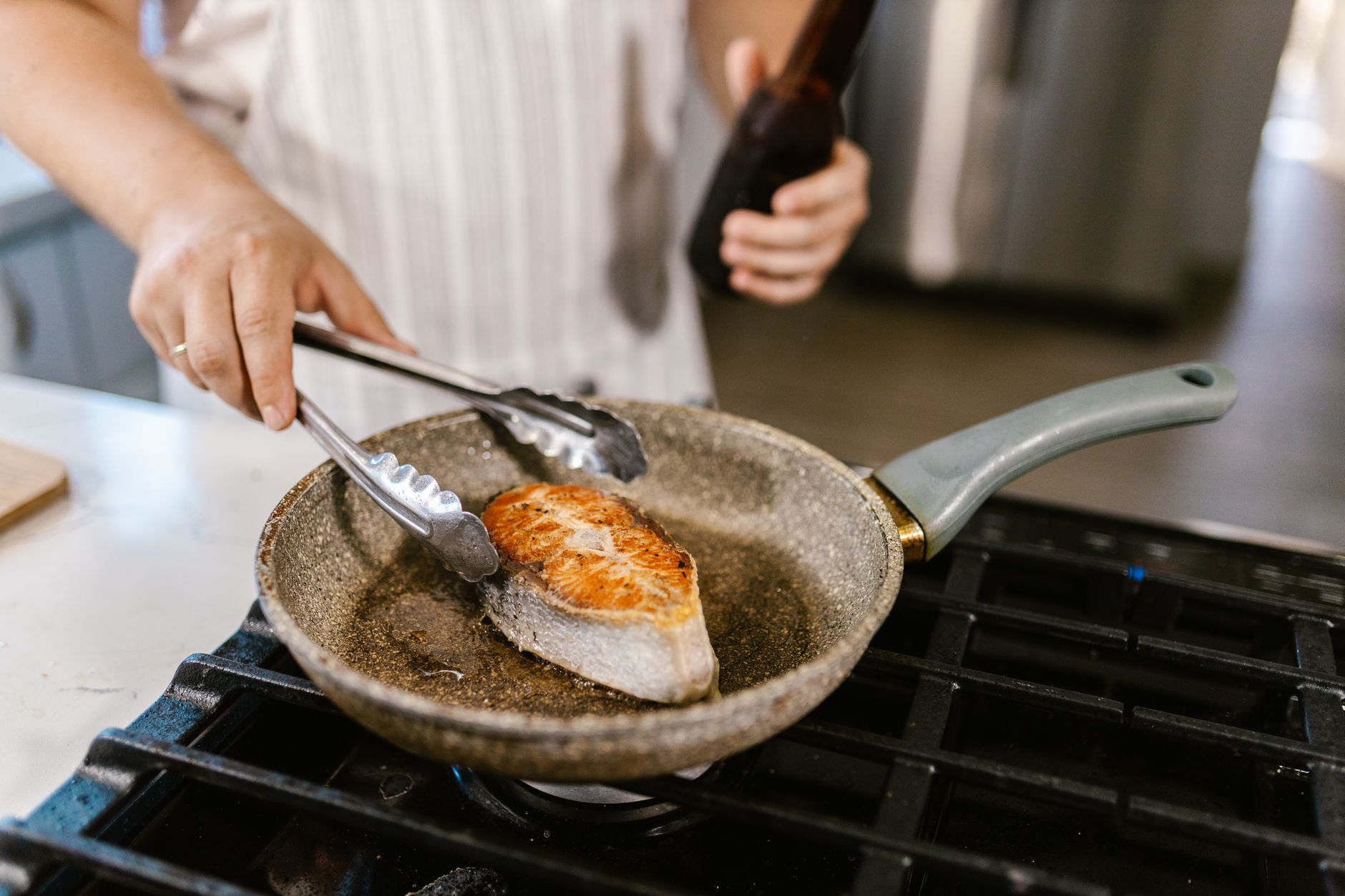
Measure the thickest part with a ruler — most grocery store fillets are between three-quarters and one inch thick. A one-inch fillet cooks for 10 minutes. A three-quarter-inch fillet cooks for about 7 and a half minutes. It scales linearly. The cooking method does not matter — oven, pan, grill, broiler — as long as the temperature is hot enough.
How to tell it is done without cutting it
Properly cooked salmon flakes when you press it gently with a fork but still looks slightly translucent in the very center. The color changes from deep orange to a paler pink. If you see white albumen — that white gunk that looks like mayonnaise squeezing out — the fish is overcooked. The proteins have tightened so much they are forcing moisture out.
Remove the salmon from the heat when the center is still slightly translucent. It will continue cooking from residual heat for another minute or two — called carryover cooking — and finish perfectly on the plate.
Pan-searing specifically
Skin-on salmon goes skin-side down in a hot, oiled pan. Do not move it for 6 to 7 minutes. The skin needs uninterrupted contact to crisp. Flip and cook the flesh side for 2 to 3 minutes. Total time: about 9 to 10 minutes for a standard fillet. The skin should be crispy enough to shatter when you tap it with a fork.
The most common mistake
Cooking cold salmon straight from the fridge. The outside overcooks while the center stays raw. Take the salmon out of the fridge 15 to 20 minutes before cooking. This is not a food safety issue — salmon at room temperature for 20 minutes is well within safe guidelines, and the even cooking is worth it.
📋 Quick Summary: Cook salmon for 10 minutes per inch of thickness at high heat. Remove when the center is still slightly translucent — carryover cooking finishes it. Let it come to room temperature before cooking for even doneness.